


By Benson Daniel
The United Kingdom is set to introduce a ban on trade in goods produced in Israeli settlements in the occupied West Bank, marking a significant shift in its approach to Israel and the Israeli-Palestinian conflict.
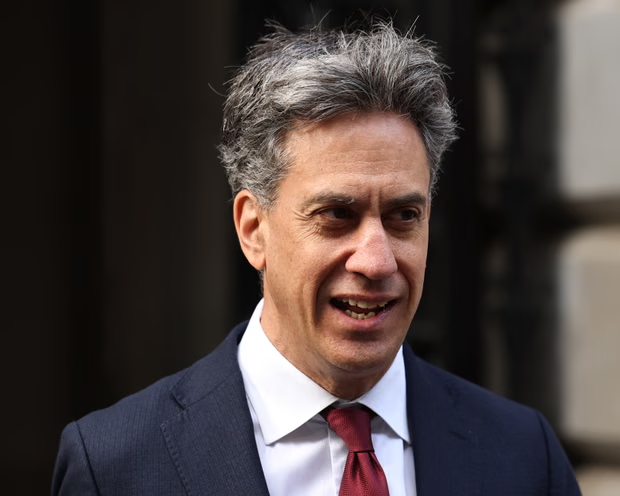
Foreign Secretary Ed Miliband is expected to formally announce the measure in Parliament as part of what the government has described as a broader reset of its policy toward Israel. The move is aimed at responding to the continued expansion of Israeli settlements and protecting the prospects of a future Palestinian state.
The proposed restrictions are expected to target goods produced in Israeli settlements, with the government also considering measures covering certain services and economic activities connected to the settlements. The details of how the ban will operate are yet to be fully disclosed.
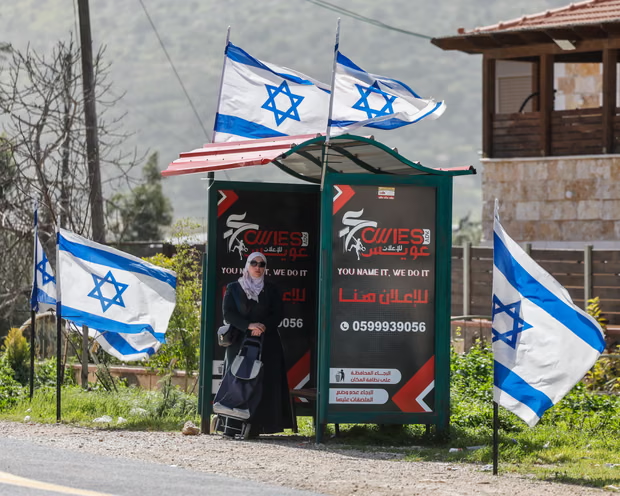
The British government has consistently maintained that Israeli settlements in the occupied West Bank are illegal under international law and has warned that their expansion threatens the viability of a two state solution.
The latest decision comes amid growing concern over Israel’s plans to expand settlements, particularly in the E1 area east of Jerusalem. British officials have warned that development in the area could effectively divide the West Bank and make the establishment of a geographically viable Palestinian state more difficult.
Until now, Britain has stopped short of imposing a direct trade ban. Its existing policy has included strong warnings to British businesses against economic and financial activities in Israeli settlements, while goods originating from the settlements are already excluded from preferential tariff arrangements under the UK’s trade agreements.
The government has also imposed sanctions on individuals and organisations linked to settlement activity and has previously suspended some arms export licences to Israel.
The new trade restrictions would go further by creating a formal prohibition rather than relying solely on government guidance to businesses.
Miliband has described the policy shift as part of a wider effort to distinguish between Israel itself and Israeli settlements in territory occupied since 1967. British officials have stressed that the measures are directed at settlement activity and are not intended to end legitimate trade with businesses operating within Israel’s internationally recognised borders.
The move has already attracted criticism from Israeli officials and some figures in the United States. Israeli Finance Minister Bezalel Smotrich has called for a tougher response against Britain, while an American politician has threatened possible restrictions on British businesses operating in Florida.
The British government, however, argues that stronger action is necessary as settlement expansion continues and the possibility of a negotiated two state solution comes under increasing pressure.
The issue has also gained support among a significant section of British lawmakers. Earlier this year, dozens of Labour MPs backed calls for a formal ban on trade with Israeli settlements, while opposition parties and campaign groups have also pushed for tougher measures.
The UK’s decision comes as several other European countries have taken or considered similar steps against settlement-related trade. The British government has said it intends to work with international partners while maintaining its broader diplomatic and economic relationship with Israel.
The policy is expected to deepen the growing differences between Britain and the Israeli government over the West Bank and the wider conflict, while putting further pressure on Israel over settlement expansion.
British officials say the ultimate objective remains the preservation of the possibility of a negotiated two state solution and a long term political settlement between Israelis and Palestinians.











Leave a comment