


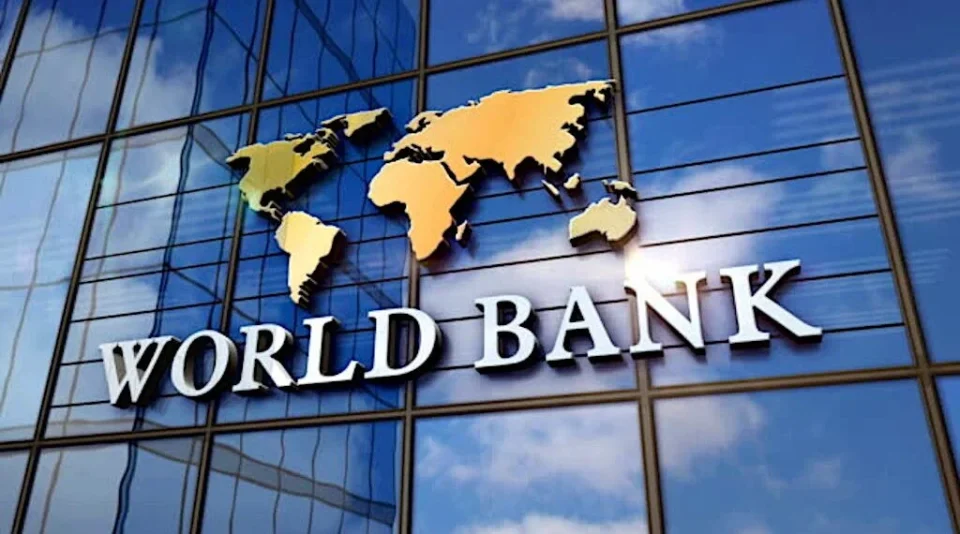
Nearly 83 per cent of Nigerians aged 16 and above without formal education live in poverty, compared with 26.6 per cent of those with tertiary or post-secondary qualifications, according to the World Bank.
The figures, contained in the bank’s October 2026 Poverty and Equity Brief for Nigeria, highlight the relationship between educational attainment and economic well-being. The analysis is based on household survey data collected in 2022.
The report showed that 82.9 per cent of Nigerians without formal education lived below the international poverty threshold of $4.20 per person per day. The proportion declined to 60.9 per cent among those who completed primary education and 51.6 per cent among people with secondary education.
Despite the lower poverty rate among tertiary-educated Nigerians, the findings indicate that education alone does not guarantee financial security, as more than one-quarter of those with higher qualifications still experience poverty.
The report also highlighted wider economic challenges, including inadequate access to electricity, sanitation and safe drinking water. It estimated that Nigeria’s national poverty rate rose from 40.1 per cent in 2019 to 56.2 per cent in 2023, with a further increase to 63 per cent estimated for 2026.
The findings underline the importance of improving access to quality education while creating productive employment opportunities. Expanding educational access without addressing job shortages and low incomes may not be sufficient to lift vulnerable households out of poverty.
For Nigeria, strengthening education, vocational training and employment opportunities could help reduce the cycle in which poverty limits access to education and limited education restricts economic opportunities.








Leave a comment