


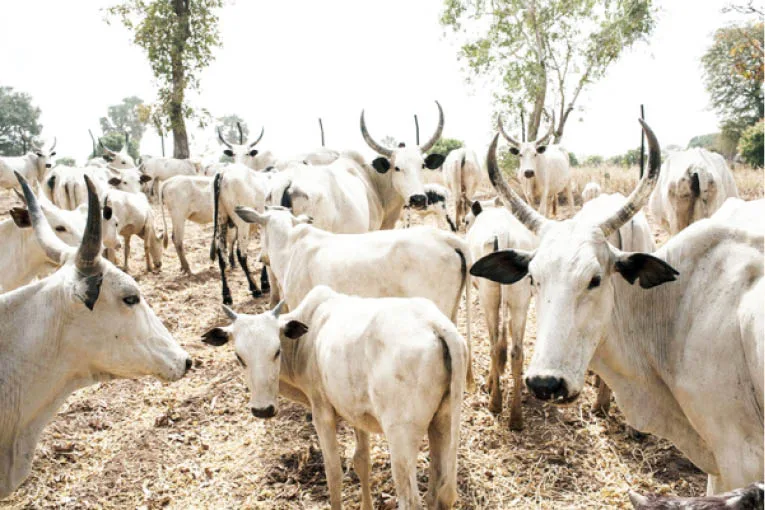
Farmer–herder violence remains one of Nigeria’s persistent security challenges, claiming lives, destroying property and disrupting agricultural activities despite repeated government interventions aimed at restoring peace.
The recurring clashes have raised questions about the effectiveness of existing policies, the management of land disputes and the difficulties of establishing lasting peaceful relationships between farming and pastoral communities.
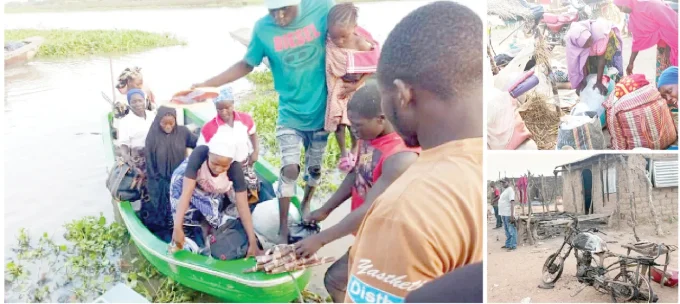
The latest violence in Paikon-Kore, Gwagwalada Area Council of the Federal Capital Territory, has renewed concerns about the situation and the need for sustainable solutions to conflicts involving access to farmland, grazing areas and water.
According to a report by Daily Trust published on October 20, 2026, the continuing violence has also raised questions about the effectiveness of the National Livestock Transformation Plan, the RUGA settlement initiative and efforts to encourage ranching as an alternative to open grazing.
Competition over land and water remains a major factor contributing to the conflict. As farming communities expand their cultivated areas and pastoralists search for pasture and water, disagreements can arise when cattle enter farmland and destroy crops.
For farmers, crop destruction can mean losing their principal source of income and food. For herders, restrictions on access to grazing land and water can threaten their animals and livelihoods.
Climate variability, environmental degradation, population growth and pressure on available resources have further complicated these challenges.
However, the conflict cannot be explained by competition over natural resources alone. Weak dispute-resolution mechanisms, inadequate security, cattle rustling, criminal activities and retaliatory attacks have contributed to the escalation of disagreements into violence in some communities.
In certain areas, longstanding relationships between farmers and herders have deteriorated as repeated attacks and reprisals deepen mistrust.
The consequences extend beyond the immediate communities involved. Farmers may abandon their fields because of insecurity, while herders may lose livestock or be forced to move away from familiar grazing areas.
These disruptions affect food production, local markets, household incomes and the availability of agricultural products.
A September 2026 analysis published by the International Food Policy Research Institute and the CGIAR system highlighted how farmer–herder violence affects rural livelihoods by changing household decisions about farming, investment and economic activities.
The research noted that households exposed to conflict may prioritise protecting themselves and their remaining assets rather than making investments that could improve agricultural productivity.
Such responses may help families manage immediate risks but can also reduce their long-term economic prospects.
Government efforts to address the crisis have included proposals to modernise livestock production, establish settlements and encourage ranching.
The National Livestock Transformation Plan was designed to support changes in livestock production and improve relations between farming and pastoral communities. The RUGA initiative also sought to provide facilities for livestock production and settlement.
However, implementation challenges, disagreements over land allocation, concerns about community consent and political opposition have affected the acceptance of some proposed interventions.
Ranching is frequently presented as one possible way to reduce competition between cattle and cultivated farmland. Nevertheless, establishing viable ranches requires land, water, infrastructure, veterinary services, financing and the willingness of livestock owners to adopt new production systems.
For this reason, experts have argued that policies must consider the economic realities of pastoral communities alongside the needs of farmers.
Security agencies also face the challenge of distinguishing ordinary resource disputes from organised criminal violence. While some incidents begin with disagreements over crop destruction or access to land, others involve armed groups, cattle rustling, kidnapping and reprisals.
This complexity makes it difficult to resolve the crisis through a single policy or security operation.
Effective prevention requires reliable early-warning systems, timely police intervention, impartial investigations and accountability for people responsible for violence, regardless of their identity or community.
Traditional rulers, community leaders, farmers’ associations and pastoral organisations can also contribute by establishing dialogue mechanisms and agreed procedures for resolving disputes before they escalate.
State governments need to ensure that land-use policies are clearly communicated and fairly implemented, while providing accessible channels for reporting crop damage, livestock theft and threats.
The federal government, meanwhile, must coordinate national livestock policies, support security operations and work with states to develop practical solutions that respect the rights and livelihoods of affected communities.
Ultimately, ending farmer–herder violence requires addressing both its immediate triggers and the deeper conditions that allow disputes to recur.
Without effective justice, trusted mediation, accountable security agencies and workable arrangements for managing land and water, individual peace agreements may struggle to prevent further clashes.
For communities affected by repeated attacks, the priority remains the protection of lives, the restoration of livelihoods and the assurance that disagreements will be resolved through lawful and peaceful means rather than violence.
ALSO READ:.https://vistaonenews.com/2026/10/25/adeboyes-granddaughter-marries-in-the-united-states/










Leave a comment