


By Benson Daniel
Stakeholders in Nigeria’s creative sector have called for stronger investment, collaboration and institutional support to unlock the industry’s full economic potential and transform the country’s cultural influence into sustainable economic value.
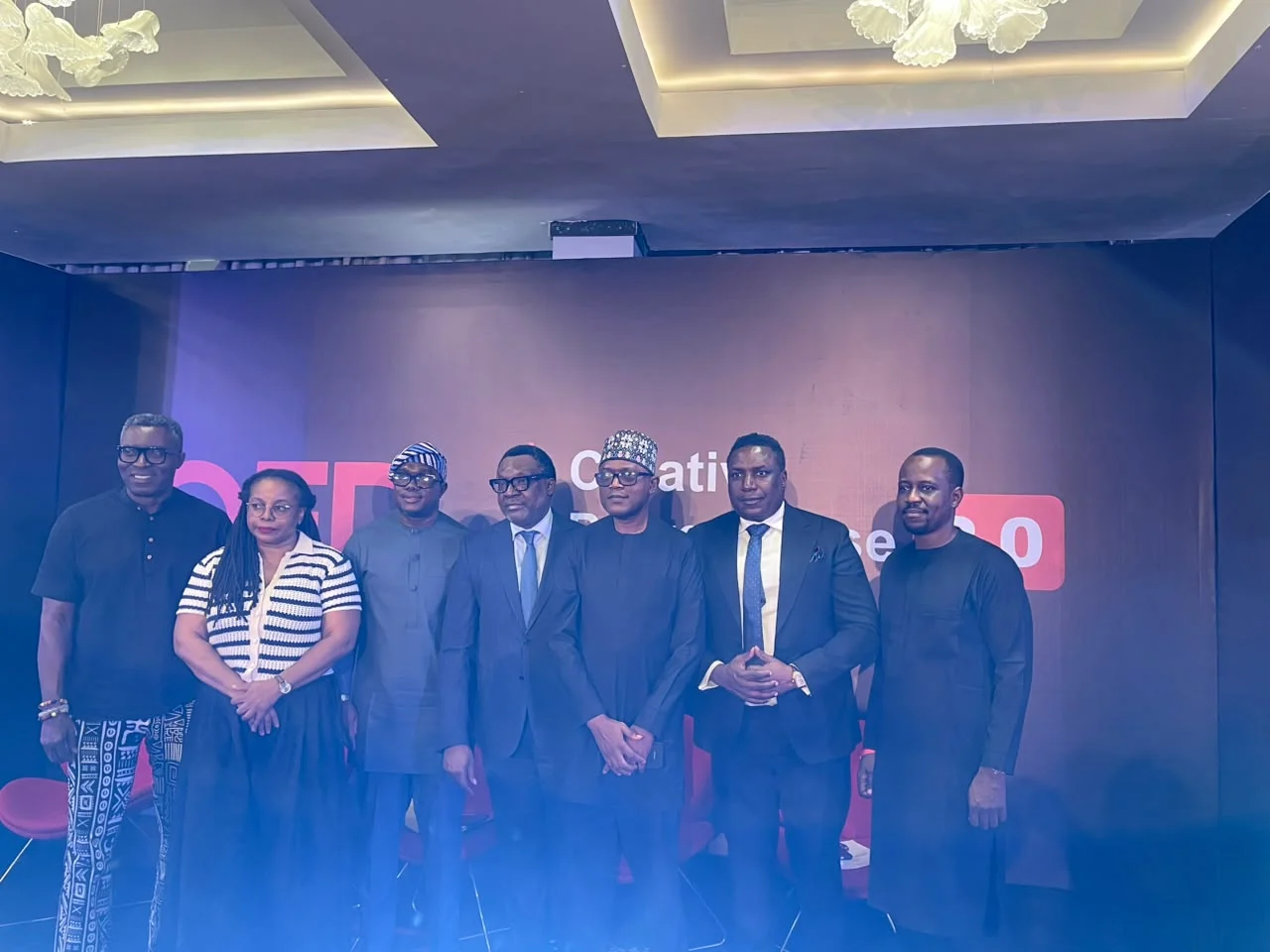
The call was made at a gathering of industry leaders, policymakers and business executives who discussed investment, innovation and opportunities for expanding Nigeria’s creative economy.
Stakeholders said Nigeria possesses enormous creative talent across music, film, fashion, publishing, entertainment and other cultural industries, but the sector requires greater access to capital, infrastructure and professional business support to compete effectively in the global market.
They argued that creativity should no longer be treated primarily as entertainment or a pastime, but as a serious economic sector capable of generating employment, attracting investment, earning foreign exchange and promoting Nigeria’s cultural influence internationally.
According to the stakeholders, Nigeria has already demonstrated the global appeal of its creative products. Nigerian music continues to attract audiences around the world, while Nollywood, fashion and other cultural expressions have become important channels through which the country projects its identity internationally.
The challenge, they said, is to develop the structures required to capture more of the economic value generated by this global demand.
This would require greater investment in production infrastructure, talent development, intellectual property protection, distribution networks, technology and business management.
Access to finance remains one of the major challenges confronting creative entrepreneurs. Many businesses in the sector struggle to secure funding because their assets are often intangible and conventional financial institutions may not fully understand creative business models.
Stakeholders therefore called for financing mechanisms designed specifically for creative enterprises, including investment funds, affordable credit, grants and partnerships between financial institutions and industry operators.
They also stressed the importance of protecting intellectual property. Stronger enforcement of copyright and other intellectual property rights would allow creators and businesses to earn more from their work and attract investors who require confidence that creative assets can generate sustainable returns.
Technology is also changing the opportunities available to Nigeria’s creative industry. Digital platforms have made it easier for Nigerian creators to reach audiences outside the country, while streaming services and social media have opened new distribution channels.
However, stakeholders said Nigerian businesses must develop stronger commercial strategies to convert audience reach into sustainable revenue.
They urged creative professionals to embrace entrepreneurship and develop businesses around their talents rather than relying solely on individual creative output.
Investment in skills was identified as another important requirement. Professionals need training in areas such as digital production, marketing, intellectual property management, finance and emerging technologies to compete in an increasingly global industry.
The creative economy also has significant potential for job creation, particularly for young Nigerians. Expanding investment could support opportunities not only for artists and entertainers but also for producers, technicians, designers, marketers, software developers and other professionals working behind creative projects.
Stakeholders said government policies should therefore focus on creating an enabling environment for businesses to grow while encouraging private sector investment.
They also noted that the sector’s development should not be concentrated in one part of the country. Building creative hubs and supporting talent across different regions could broaden participation and create new economic opportunities.
With global demand for African content continuing to increase, Nigeria is well positioned to expand its influence in the international creative economy.
Stakeholders said the country must now move from celebrating creative talent to building the infrastructure, financing systems and institutions required to turn that talent into sustainable businesses.
If stronger investment is achieved, the creative sector could become an increasingly important contributor to Nigeria’s economic diversification, employment generation, export earnings and global cultural influence.










Leave a comment