


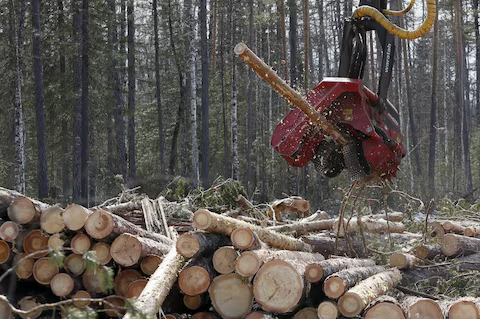
Fashion and paper manufacturers are exploring alternative raw materials as growing demand for wood-based fibres increases pressure on forests, threatening biodiversity and contributing to climate change.
More than 300 million trees are cut down annually to produce fibres used in clothing, including viscose and other man-made cellulosic materials. The paper and packaging industries add further pressure through their demand for wood pulp.
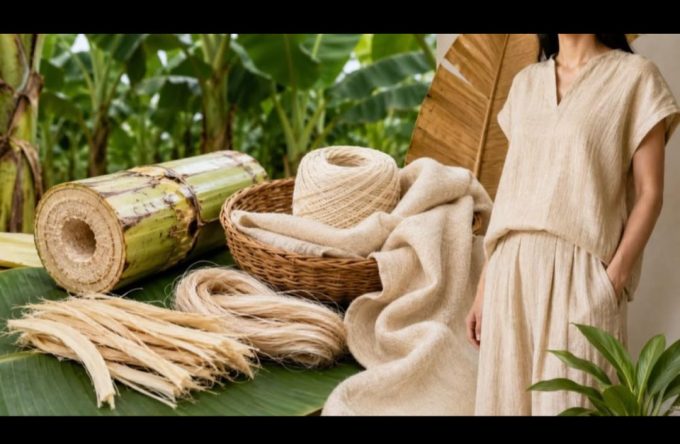
Environmental organisation Canopy is working with more than 950 companies to encourage the adoption of materials that reduce dependence on forest resources. Alternatives include agricultural waste, recycled textiles and fibres produced from other renewable materials.
One promising development involves using wheat straw, a residue left after harvesting wheat, to manufacture textile fibres. Pilot projects in India and Europe have demonstrated that the material can be processed into yarn suitable for fashion products, including those supplied to brands such as H&M and C&A.
Paper manufacturers are also testing alternatives. Kimberly-Clark has been developing tissue paper using hesperaloe, a drought-resistant plant, and is building a pilot facility in Arizona to advance the technology.
However, expanding these solutions beyond pilot projects remains a challenge. Manufacturers need substantial investment, reliable supplies of alternative materials and production processes that can compete with conventional wood-based fibres on cost and quality.
Canopy estimates that reducing wood-fibre use by 30 per cent by 2033 would require approximately $78 billion in infrastructure investment.
For businesses, the shift presents both an environmental responsibility and an opportunity to develop more resilient supply chains as demand for sustainable materials grows.








Leave a comment