


The Federal Government and the United Nations have expressed disappointment following the collapse of the 31st United Nations Climate Change Conference (COP31) in Antalya, Türkiye, after nearly 200 countries failed to reach consensus on a major political agreement addressing the global climate crisis.
The breakdown followed almost two weeks of negotiations, which extended beyond the scheduled November 20 closing date as participating countries struggled to resolve disagreements over fossil fuel reduction, climate financing, adaptation support and the future of the global energy transition.
Despite prolonged discussions and diplomatic efforts, the conference ended on Sunday, November 22, without adopting an overarching final decision, exposing deep divisions among countries over how to respond collectively to rising global temperatures and increasingly severe environmental challenges.
Nigeria, however, has maintained that the failure to reach an international agreement will not interrupt its domestic climate programmes or commitments under existing international frameworks.
Nigeria Reaffirms Commitment to Climate Action
The Director-General of the National Council on Climate Change, Omotenioye Majekodunmi, said Nigeria was disappointed by the inability of participating countries to reach consensus but remained committed to implementing its climate policies.
In a statement issued following the conclusion of the negotiations, Majekodunmi explained that the absence of a new political agreement did not invalidate existing commitments under the Paris Agreement.
She said Nigeria would continue advancing its Nationally Determined Contribution (NDC) 3.0, strengthening climate governance, mobilising investment and pursuing an orderly and nationally determined energy transition.
The Federal Government also emphasised the importance of ensuring that climate policies produce practical benefits for employment, businesses, energy access and the livelihoods of Nigerians.
Majekodunmi noted that the negotiations had reinforced the need to match climate ambitions with adequate financing and realistic implementation arrangements, particularly for developing countries facing different economic and developmental circumstances.
Nigeria’s position reflects the importance of maintaining domestic climate programmes even when international negotiations encounter political and diplomatic setbacks.
Disagreements Over Fossil Fuels Deepen Global Divisions
One of the central issues responsible for the breakdown was the disagreement over whether the final agreement should contain a clear commitment to transitioning away from fossil fuels, including coal, oil and natural gas.
Several countries, particularly members of the European Union and other climate-vulnerable nations, demanded stronger language addressing the reduction of fossil fuel dependence.
However, oil-producing countries resisted proposals that could impose stronger restrictions on fossil fuel production and consumption.
The disagreement prevented negotiators from reaching consensus on the proposed final document.
The negotiations also exposed differences over carbon capture technologies, which some countries supported as part of the climate response, while others questioned their effectiveness and potential to prolong dependence on fossil fuels.
Australia’s Climate Minister and COP31 negotiations chair, Chris Bowen, acknowledged that efforts to bridge the differences had failed, describing the disagreements as difficult to overcome.
The outcome marked a major setback for international climate diplomacy, particularly as countries continue to face growing pressure to reduce greenhouse gas emissions.
UN Secretary-General Warns Against Further Delays
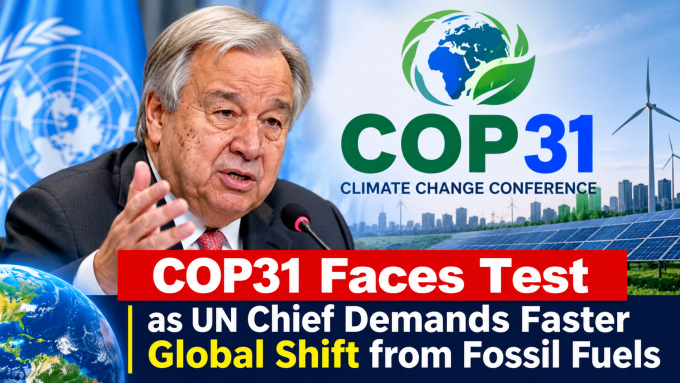
United Nations Secretary-General António Guterres also expressed deep disappointment over the failure to achieve a common political outcome.
He said the inability of governments to reach consensus had frustrated expectations that the conference would produce stronger commitments towards addressing climate change.
Guterres stressed that the absence of an agreement did not reduce the urgency of the climate crisis.
He warned that global temperatures continued to break records, climate-related disasters were intensifying and greenhouse gas emissions remained dangerously high.
The UN chief also criticised continued dependence on fossil fuels, arguing that coal, oil and gas were driving the climate crisis and exposing economies to energy price instability.
UN climate chief Simon Stiell similarly described the outcome as falling short of expectations, warning that the international community could not afford repeated failures in climate negotiations.
Developing Countries Face Uncertainty Over Climate Financing
Another major disagreement concerned financial assistance for developing countries, particularly those experiencing severe consequences of climate change despite contributing relatively little to historical global emissions.
Developing nations had pushed for stronger commitments towards adaptation financing, which is essential for improving resilience against flooding, drought, coastal erosion and other environmental threats.
A proposed adaptation finance target of $120 billion did not survive into the final agreement, further deepening dissatisfaction among countries seeking financial support.
For developing economies such as Nigeria, climate financing remains important for implementing renewable energy projects, improving agricultural resilience, strengthening flood management systems and supporting communities vulnerable to environmental disasters.
The absence of a clear financing arrangement could complicate efforts by developing countries to implement ambitious climate programmes without placing additional pressure on already constrained public budgets.
What the Collapse Means for Nigeria and Future Climate Negotiations
The failure of COP31 raises fresh questions about the effectiveness of international climate negotiations, particularly when competing economic interests prevent countries from agreeing on urgent environmental priorities.
For Nigeria, the implications extend beyond diplomatic disappointment.
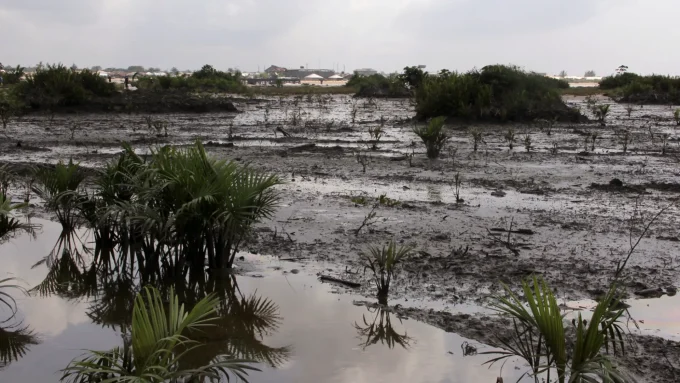
The country continues to face environmental challenges, including flooding, desertification, coastal erosion, changing rainfall patterns and pressure on agricultural livelihoods.
These challenges affect food production, infrastructure, public health and economic activities, making climate adaptation and sustainable financing important national priorities.
Although Nigeria has reaffirmed its commitment to domestic climate action, the absence of stronger international financing arrangements could make implementation more difficult.
Attention will now shift towards COP32, scheduled to take place in Addis Ababa, Ethiopia, in 2027, where governments are expected to continue discussions on unresolved climate commitments.
The outcome of the Antalya negotiations highlights the growing need for international cooperation that translates climate promises into measurable action.
For Nigeria and other developing countries, the next phase of climate diplomacy will be particularly important in determining whether global commitments can deliver the financial support, technological cooperation and practical solutions required to protect vulnerable communities.









Leave a comment