


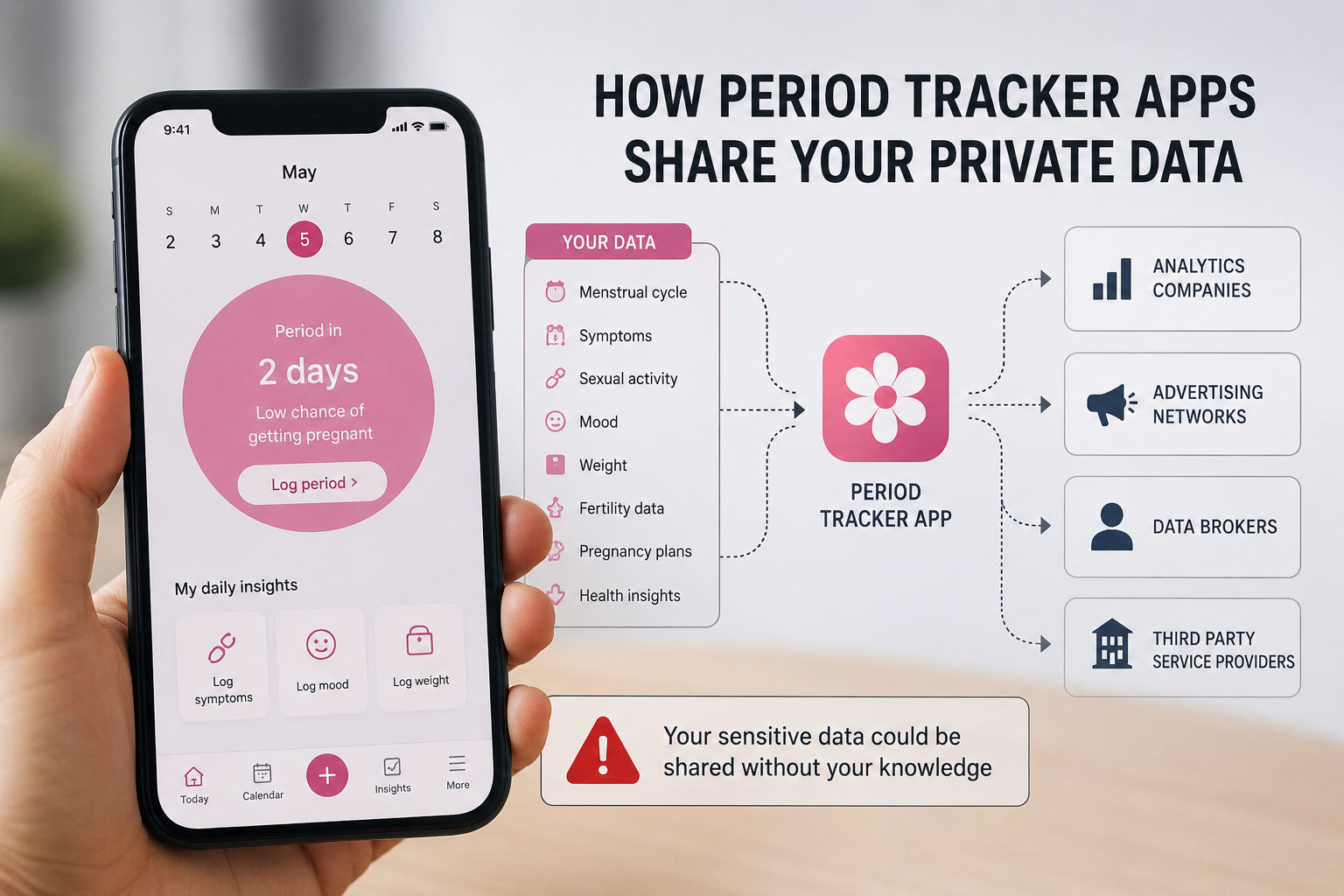
Period tracking applications used by millions of women worldwide are facing renewed scrutiny over how they collect, store and share users’ sensitive personal information, raising concerns among privacy advocates and digital rights experts.
Many menstrual tracking apps allow users to record intimate health information, including menstrual cycles, fertility, pregnancy plans, sexual activity, mood changes, medication, symptoms and other personal health details. Privacy experts warn that some of this information may be shared with third parties for advertising, analytics or business purposes.
Consumer rights groups say many users are unaware of the extent to which their data may be collected or how it is used after they agree to lengthy privacy policies and terms of service.
Digital privacy specialists have expressed concern that some applications share user information with advertising networks, data analytics firms and technology companies to improve services or deliver targeted advertisements. While some companies say the data is anonymized, experts caution that anonymized information can sometimes be linked back to individuals when combined with other datasets.
The growing use of health tracking applications has also prompted concerns about cybersecurity and the potential misuse of sensitive personal information in the event of data breaches or unauthorized access.
Privacy advocates are urging users to carefully review app permissions and privacy policies before downloading health related applications. They also recommend choosing platforms that offer strong encryption, minimal data collection and clear commitments not to sell or share personal information without explicit consent.
Technology companies behind period tracking apps maintain that they comply with applicable data protection laws and provide users with options to control how their information is collected, stored and shared. Several developers have introduced additional privacy features, including encrypted data storage and the ability to delete personal records permanently.
The debate over menstrual tracking apps has intensified in recent years as governments around the world introduce stricter digital privacy regulations and consumers become increasingly aware of how personal data is collected and monetized.
Experts say greater transparency, stronger privacy protections and informed user consent will be essential to maintaining public trust in digital health technologies as their use continues to expand.











Leave a comment