


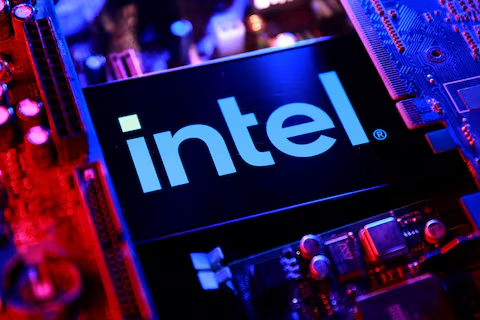
Intel has agreed to acquire Israeli quantum computing software company Classiq, with the deal reportedly valued at approximately $2.3 billion, according to Bloomberg News.
The reported valuation was not disclosed by Intel when it announced the acquisition agreement on October 26. Bloomberg cited people familiar with the matter, while the reported purchase price has not been independently verified.
The acquisition is part of Intel’s strategy to strengthen its position in quantum computing, an emerging technology with potential applications in complex scientific calculations, financial modelling and drug discovery.
Founded in 2020, Classiq develops software that simplifies the design and development of programs for quantum computers. Its platform enables developers to create quantum applications without having to manually design every component of the underlying quantum circuits.
By combining Classiq’s software with Intel’s existing quantum hardware research and semiconductor manufacturing expertise, the companies aim to build a more complete quantum computing platform.
The proposed combination would expand Intel’s computing portfolio beyond conventional central processing units (CPUs), graphics processing units (GPUs) and specialised chips to include quantum computing solutions.
Intel said it intends to maintain Classiq’s compatibility with other quantum hardware platforms, allowing customers to continue using its software across different systems.
The acquisition is subject to regulatory approvals and other customary closing conditions. Intel expects the transaction to be completed in the first half of 2027.
The deal highlights growing industry interest in quantum computing, as technology companies invest in software and hardware designed to make the technology more practical for commercial use.
However, widespread adoption remains a longer-term challenge, with researchers and companies continuing to work on improving the reliability, scalability and practical performance of quantum systems.









Leave a comment