


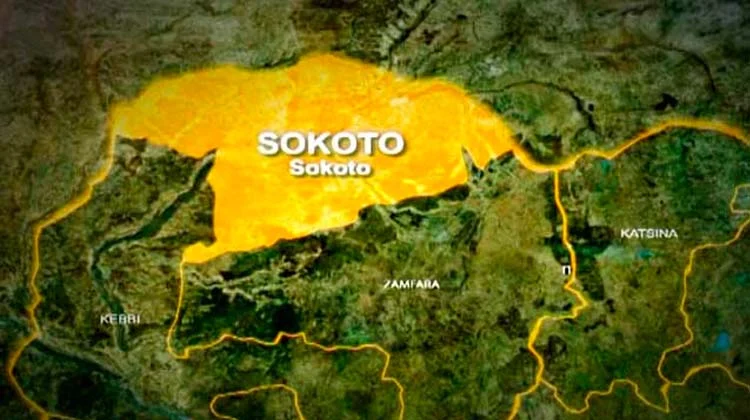
The Sokoto State Government has intensified disease surveillance and strengthened emergency response measures to guard against the possible spread of Ebola Virus Disease (EVD), despite the state’s low-risk classification by the Nigeria Centre for Disease Control and Prevention (NCDC).
The Commissioner for Health, Dr Faruk Umar Abubakar Wurno, disclosed this on Tuesday after a stakeholders’ meeting in Sokoto aimed at reviewing the state’s preparedness and strengthening its capacity to detect and respond to a possible outbreak.
Wurno assured residents that Sokoto remained classified as a low-risk state by the NCDC, adding that there was no cause for alarm.
He explained that epidemiologists and disease surveillance personnel had been placed on alert, while emergency response arrangements and designated health facilities had been prepared to handle suspected cases if necessary.
According to the commissioner, the state is paying particular attention to the Illela international border and the Sokoto airport to strengthen monitoring and facilitate the early detection of potential health threats.
He also disclosed that the Infectious Disease Hospital in Amanawa had been prepared to isolate suspected Ebola patients, with personal protective equipment and other essential infection prevention resources made available.
The meeting brought together stakeholders responsible for disease surveillance, prevention, case management and public health communication to assess existing arrangements and address possible gaps in emergency preparedness.
The measures follow Nigeria’s confirmation of an imported Ebola case in the Federal Capital Territory on October 20, 2026. The national response has included contact tracing, heightened surveillance and strengthened infection prevention measures.
Sokoto’s preparedness highlights the importance of acting before a disease outbreak occurs. Although the state has been classified as low-risk, its international border and other entry points make effective surveillance important for detecting potential threats early. Prepared health facilities, trained personnel and timely reporting can help authorities respond quickly if a suspected case emerges. Public cooperation and access to accurate information are equally important in preventing unnecessary panic and limiting the spread of misinformation.
Wurno urged residents to remain calm, rely on credible health information and promptly report suspected cases to the appropriate authorities.








Leave a comment