


By Benson Daniel
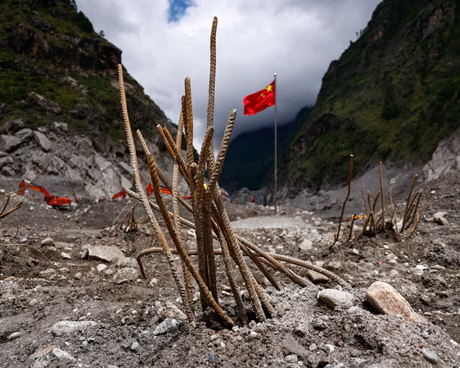
China’s handling of information surrounding the devastating Nepal-Tibet disaster has come under renewed scrutiny, with authorities accused of using the country’s expanding internet censorship campaign to restrict reports that challenge the official account of the catastrophe.
The controversy emerged after catastrophic floods and mudslides struck communities along the Nepal-Tibet border on August 26, leaving more than 1,300 people dead and thousands missing across the affected region. Rescue operations remain ongoing, particularly in Nepal, where workers have been found alive after spending days trapped inside hydropower tunnels.
On the Chinese side of the border, however, access to information has been significantly more restricted.
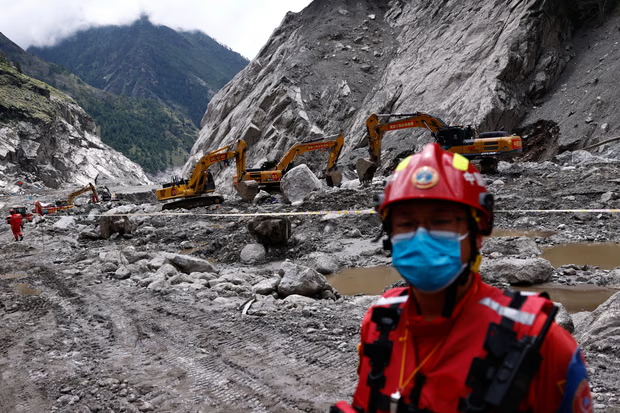
Chinese authorities have limited independent reporting from the affected areas of Tibet, while social media posts containing information that differs from official accounts have reportedly been removed.
The crackdown has taken place under China’s broader “Clean Internet” campaign, known officially as the “Clear and Bright” cyberspace cleanup drive. The campaign was initially associated largely with efforts to combat cybercrime, hacking and harmful online content but has increasingly been used to regulate information considered politically sensitive or inconsistent with government narratives.
Several people have reportedly been summoned, reprimanded or penalised over posts concerning the floods. According to rights advocates monitoring the situation, at least 19 people have faced some form of action connected to disaster-related posts.
Among those targeted were people who questioned the official death toll or circulated claims that significantly more people had died than authorities had acknowledged.
As of September 2, Chinese authorities had reported 21 deaths and 541 people missing in Tibet. The figures included hundreds of foreign nationals from several countries. However, independent verification has been difficult because foreign journalists and independent observers have not been given unrestricted access to the affected areas.
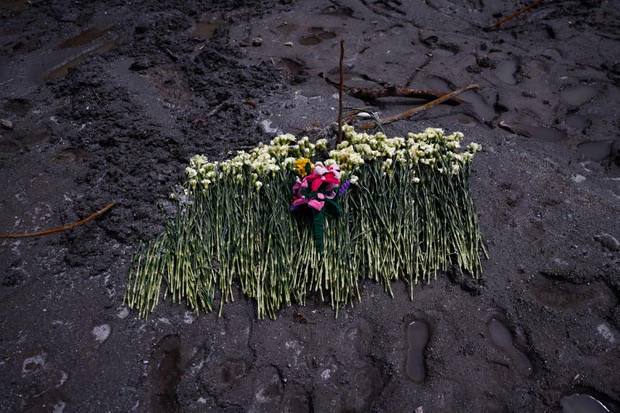
The information restrictions have created particular difficulties for families searching for relatives who remain missing.
Some families have reportedly relied on information coming from Nepal, foreign embassies and social media rather than official Chinese channels as they attempt to determine the fate of their relatives.
The situation has also highlighted the contrast between the flow of information from Nepal and the much more controlled environment in Tibet. While international journalists have been able to report from the Nepalese side, access to the Chinese-controlled territory has remained tightly restricted.
Chinese authorities have defended their approach by emphasising the need to maintain order, prevent misinformation and ensure the effectiveness of rescue operations.
State media have continued to highlight government rescue efforts, infrastructure repairs and the deployment of emergency personnel and equipment.
China has also restored road access to the disaster zone after floodwaters and landslides severed the main highway leading to the Gyirong border crossing, allowing rescue teams and heavy equipment to move into affected areas more effectively.
But critics argue that official updates cannot replace independent reporting, particularly during a disaster where accurate information about casualties, missing people and humanitarian needs can be crucial to rescue and relief efforts.
The controversy has therefore shifted attention beyond the immediate humanitarian disaster to China’s wider approach to controlling information during emergencies.
For families still searching for missing relatives, the central issue is not political debate but access to reliable information.
The disaster has also raised broader questions about how governments balance the need to prevent misinformation with the public’s right to receive accurate information during major emergencies.
As rescue operations continue, pressure is likely to grow on Beijing to provide greater transparency, allow wider access to the affected region and clarify the circumstances surrounding the reported casualties and missing persons.
For Tibetans and international rights organisations, the floods have become another example of the difficulties of obtaining independent information from a region where political sensitivities have long shaped the flow of news.









Leave a comment