


By Benson Daniel
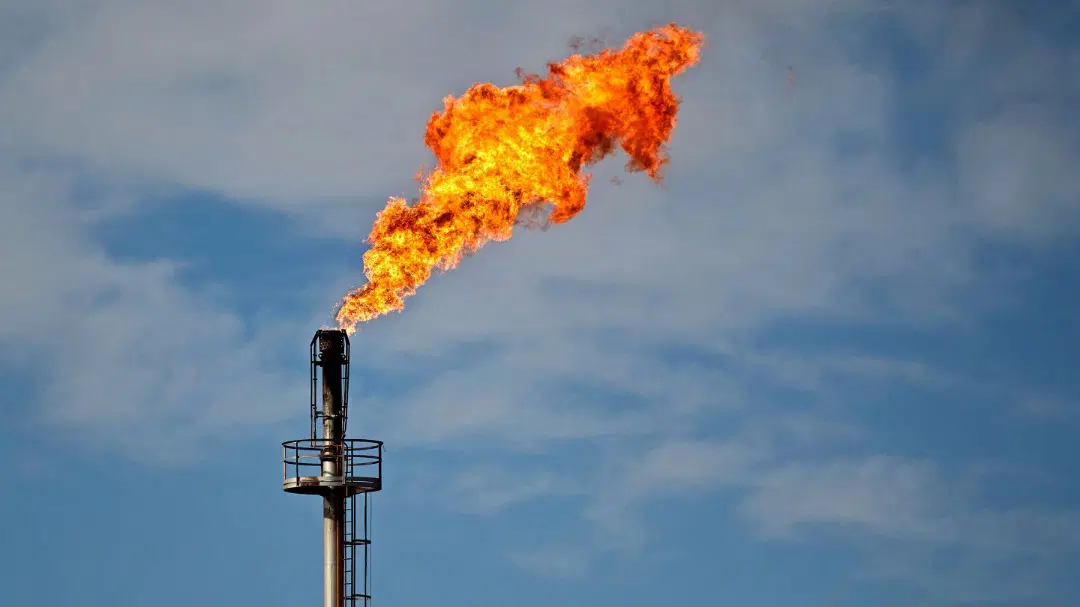
Nigeria lost an estimated 62,400 gigawatt-hours (GWh) of potential electricity generation as gas flaring increased by 18.6 percent, highlighting the country’s continued struggle to harness its abundant natural gas resources for domestic power supply.
The latest figures indicate that significant volumes of associated gas produced during crude oil extraction were flared instead of being processed for electricity generation or industrial use. The development represents a major economic and environmental setback, especially as millions of Nigerians continue to experience inadequate and unreliable electricity supply.
Industry experts say the amount of gas flared could have generated enough electricity to significantly improve power availability across the country, reduce dependence on diesel-powered generators, and lower energy costs for households and businesses. Instead, the valuable resource was burned off, contributing to environmental pollution and greenhouse gas emissions.
Analysts attributed the rise in gas flaring to inadequate gas gathering infrastructure, pipeline constraints, operational disruptions, and delays in the development of gas processing facilities. They noted that while Nigeria has introduced policies aimed at reducing routine gas flaring, implementation challenges have continued to limit progress.
Nigeria possesses one of Africa’s largest proven natural gas reserves and has repeatedly identified gas as a transition fuel capable of driving industrialization, expanding electricity generation, and supporting economic diversification. However, the continued flaring of associated gas underscores the gap between policy ambitions and operational realities.
Environmental advocates warned that increasing gas flaring not only wastes valuable economic resources but also poses serious health and environmental risks to host communities through air pollution, heat emissions, and the release of carbon dioxide and methane into the atmosphere.
Energy stakeholders have called for accelerated investment in gas processing infrastructure, stronger enforcement of anti-flaring regulations, and greater incentives for companies to commercialize associated gas. They argue that converting flared gas into electricity and industrial feedstock would boost power generation, enhance energy security, create jobs, and increase government revenue.
The latest figures reinforce the urgent need for coordinated reforms in Nigeria’s oil, gas, and electricity sectors to ensure that the country’s vast natural gas resources are fully utilized to support sustainable economic growth and improve access to reliable power.











Leave a comment