


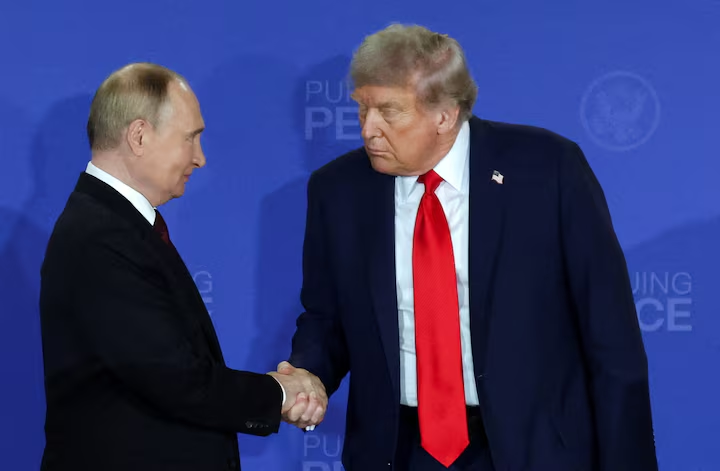
The first shipment of Russian diesel fuel bound for the United States under a new agreement between Moscow and President Donald Trump is aboard a tanker heading to New York, according to ship tracking data reported on Friday, October 23, 2026.
The Malta flagged tanker Agioi Fanendes loaded approximately 40,000 metric tonnes of ultra low sulphur diesel at Russia’s Baltic port of Primorsk on October 22. It is expected to arrive in the United States on November 7, according to data from LSEG. The identities of the buyer and seller have not been disclosed.
If completed, the delivery would mark the first US import of Russian oil or petroleum products since former President Joe Biden imposed a ban on such imports in 2022 following Russia’s invasion of Ukraine.
Trump announced the diesel agreement in October as part of efforts to ease rising fuel prices ahead of the US midterm elections scheduled for November 3. He said Russia would initially export 300,000 metric tonnes of diesel to the United States and global markets, followed by 500,000 tonnes in November and another one million tonnes afterward.
A Kremlin spokesperson, Dmitry Peskov, confirmed on Friday that the first tanker under the arrangement had departed, although he did not specify its destination. He said further shipments were expected to continue steadily.
The agreement includes Russia lifting its self imposed ban on diesel exports. Trump has also waived parts of a new US sanctions law targeting Russia, while threatening European countries with a US diesel export ban unless they release more fuel from emergency reserves to help reduce prices.
Russia has been redirecting much of its diesel trade since the European Union imposed a full embargo on Russian oil products in February 2023. Turkey and Brazil have become major destinations, alongside several African countries, while some supplies reach Central Asia by rail.
The shipment’s arrival could test the practical implementation of the agreement, particularly as companies work through contracts, payment arrangements and the political implications of renewed energy trade between Washington and Moscow.










Leave a comment