



The Federal Government has directed security agencies, health institutions and other relevant authorities to strengthen Ebola screening at Nigeria’s entry points following concerns over alleged breaches of established preventive protocols.
The directive followed an alert by the Office of the National Security Adviser over reported non-compliance with approved screening measures, amid concerns about an imported case of Ebola Virus Disease confirmed in Abuja.
The Federal Ministry of Health and Social Welfare issued the directive in a circular dated October 22, 2026, signed by the Permanent Secretary, Daju Kachollum, on behalf of the Coordinating Minister of Health and Social Welfare, Professor Muhammad Ali Pate.
The ministry instructed relevant institutions to ensure strict compliance with screening procedures, health declaration requirements, surveillance measures and other applicable entry protocols.
It also directed agencies to document and report actual or attempted violations through established channels, while improving coordination and information sharing to support early detection and rapid response.
The circular stressed that preventive measures must be enforced consistently and without discrimination to protect public health and national security.
The latest directive followed the confirmation of an imported Ebola case involving a woman who arrived in Nigeria on an international flight from Uganda.
According to Pate, laboratory tests confirmed that the patient was infected with the Bundibugyo strain of the virus. She was subsequently isolated and placed under medical care at a private hospital in the Federal Capital Territory.
The minister said health authorities had begun tracing 44 identified contacts while working to identify other people who might have been exposed, including healthcare workers, patients, caregivers and travel contacts.
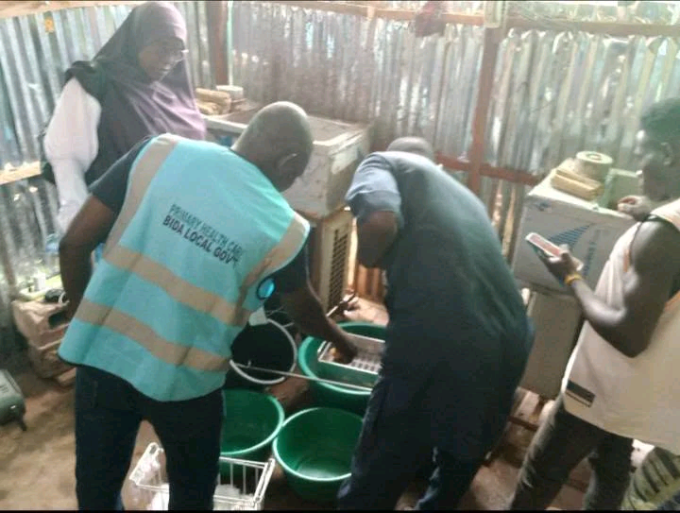
The development has raised concerns about Nigeria’s readiness to prevent further transmission, particularly as reports from different states indicate gaps in public awareness, infection prevention facilities and emergency preparedness.
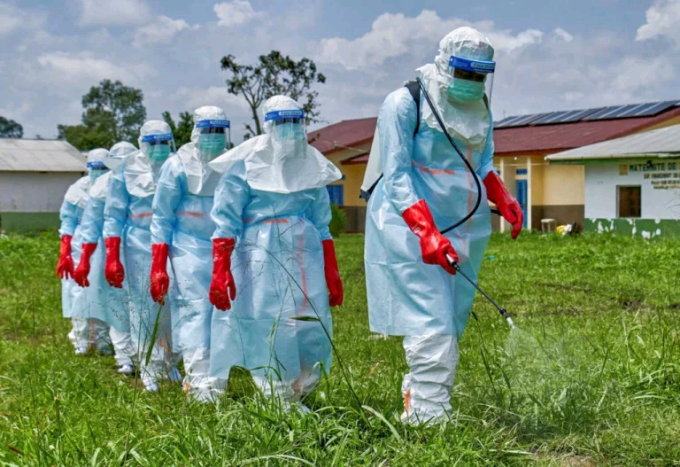
Investigations by journalists found that some public places, including markets and motor parks, lacked adequate handwashing facilities, while some states were still arranging the procurement of protective equipment for frontline health workers.
In Nasarawa State, the Permanent Secretary of the Ministry of Health, Dr Ibrahim Alhassan, said the government was working to procure personal protective equipment and distribute it across healthcare facilities because of the state’s proximity to Abuja.
Meanwhile, the Director of Public Health in Kwara State, Dr Oluwatosin Fakayode, said the state had recorded no suspected Ebola case but was monitoring travellers identified as persons of interest.
Health authorities have urged Nigerians to observe proper hygiene and report suspected cases through established public health channels.
Ebola spreads through direct contact with the blood or bodily fluids of infected people, infected animals or contaminated materials. Symptoms may include fever, headache, muscle pain, vomiting and diarrhoea.
The incubation period ranges from two to 21 days, making effective surveillance, timely detection and contact tracing important in preventing further transmission.
ALSO READ:







Leave a comment