


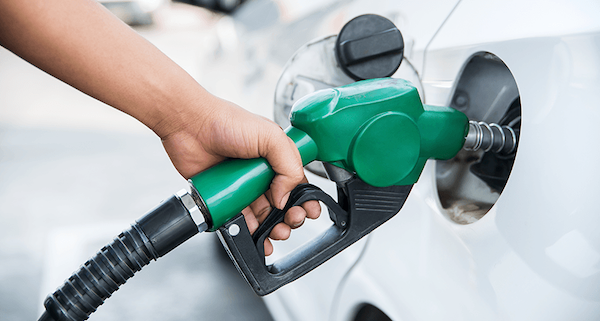
As Nigerians continue to face rising transport costs following increases in fuel prices, countries around the world are adopting different measures to cushion the impact of the global energy crisis and reduce pressure on consumers.
Some governments have introduced fuel subsidies, tax cuts and price controls to reduce the amount consumers pay at filling stations. Japan, for instance, has subsidised fuel wholesalers to keep petrol prices around a targeted level, while Korea has placed limits on wholesale fuel prices.
Other countries have focused directly on transport costs. Chile has frozen regulated public transport fares, while Lithuania has reduced domestic rail fares. Australia has also offered temporary free public transport in some states.
The Philippines has provided cash support to public transport drivers affected by rising fuel costs, while Mozambique has introduced subsidies for public transportation. These measures are intended to prevent higher fuel prices from being transferred fully to passengers through increased fares.
Several countries are also encouraging citizens to reduce fuel consumption. Measures include working from home, promoting public transport, restricting government travel and introducing energy conservation campaigns. The International Energy Agency says greater use of public transport can reduce oil consumption while easing pressure on households.
In Africa, governments have also relied on fuel levy relief, subsidies and other emergency interventions. The World Bank, however, says longer term investment in electric mobility could help African countries reduce their dependence on imported petroleum and become less vulnerable to future oil shocks.
For Nigeria, attention remains focused on whether government measures can translate into lower transport fares and meaningful relief for commuters as the fuel crisis continues.







Leave a comment