


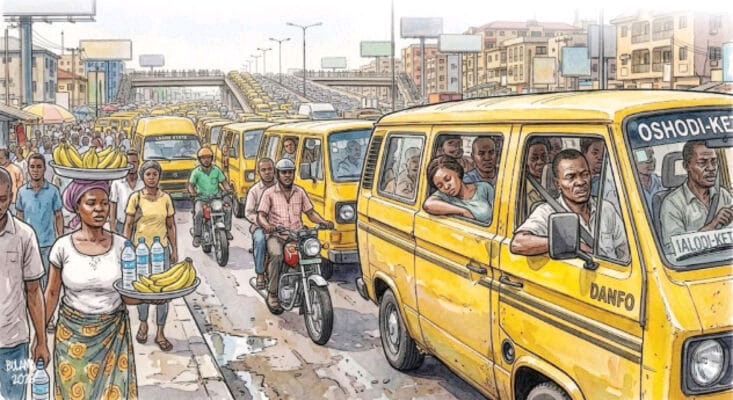
For many Nigerians, having a full-time job is no longer seen as enough to meet financial responsibilities and achieve personal goals. An increasing number of workers are turning to side businesses, freelance work, online trading and other income-generating activities alongside their regular jobs.
A 2024 PiggyVest survey found that 29 per cent of respondents with income reported having two or more income streams, while 71 per cent relied on one income stream. The report also showed that 37 per cent of respondents earned below ₦100,000 monthly.
Data from the National Bureau of Statistics also indicates that multiple income-generating activities are common. In its Nigeria Labour Force Survey data, 32.5 per cent of respondents in the relevant sample reported having more than one job or income-generating activity.
The rising cost of living, pressure to support families, savings goals and the desire for financial independence are among the reasons workers are exploring additional sources of income.
Some employees sell clothes, food, cosmetics and other products online, while others offer services such as graphic design, photography, tutoring, writing and digital marketing after working hours.
For some, the side hustle is also a form of financial security. Losing a job or experiencing a reduction in income can become less devastating when another source of earnings is available.
However, balancing a demanding 9-to-5 job with a side business can also create challenges, including exhaustion, poor time management and reduced productivity.
As more Nigerians look for ways to cope with economic pressures, the side hustle has increasingly become part of the country’s working culture.









Leave a comment