


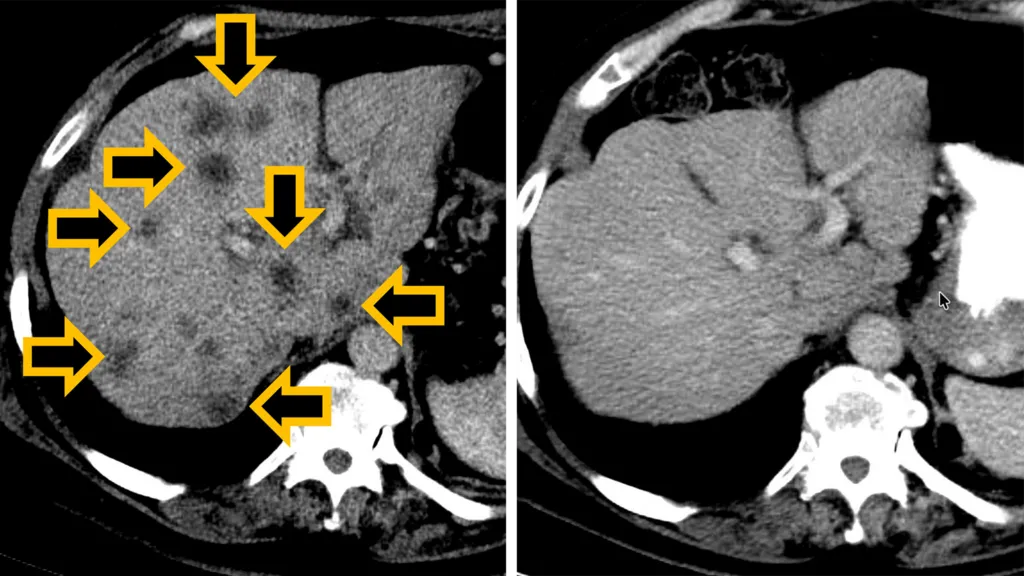
A new daily pill, daraxonrasib, has shown promising results in early clinical trials involving patients with advanced pancreatic cancer, raising hopes for a major breakthrough in the treatment of one of the deadliest forms of cancer.
The trial, which involved 61 patients whose cancer had spread to other parts of the body, found that tumours stopped growing in 90 per cent of participants, while more than 60 per cent experienced tumour shrinkage or disappearance.
In about 8 per cent of patients, equivalent to one in 12, the cancer became undetectable on CT scans after receiving the drug alongside chemotherapy.
Cancer Research UK described the findings as the biggest leap forward in pancreatic cancer treatment in decades. Its representative, Dr Sam Godfrey, said the drug had found a way to target cancer mutations previously considered difficult to treat.
Daraxonrasib works by blocking certain KRAS mutations, which are responsible for driving the growth of many pancreatic cancers. Researchers believe the treatment could also have potential applications in other cancers, including lung and ovarian cancer, where similar mutations are present.
Doctors involved in the study said the results were encouraging, with improvements in tumour response and the length of time patients’ diseases remained under control. However, they stressed that the treatment should not yet be considered a cure, as further studies are needed to determine how long its benefits last and whether it can produce lasting remission.
Pancreatic cancer remains one of the hardest cancers to treat, with patients diagnosed at advanced stages often surviving only months. The new findings have therefore raised hopes that the treatment could offer patients more time and improve survival rates.











Leave a comment