


By Benson Daniel
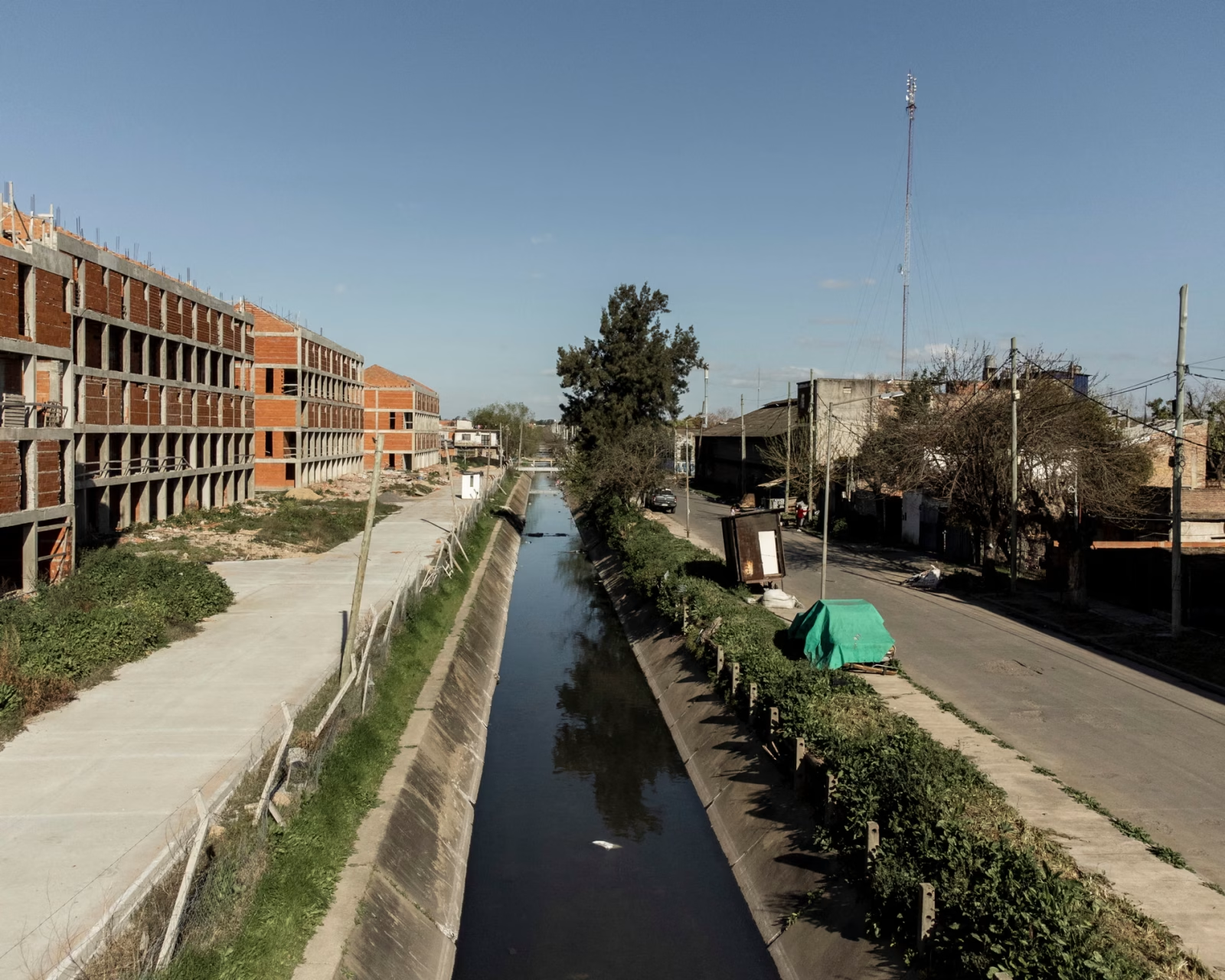
Residents of Costa Esperanza, a neighbourhood in Argentina’s Buenos Aires province, are leading a grassroots campaign to restore streams and waterways severely damaged by decades of pollution.
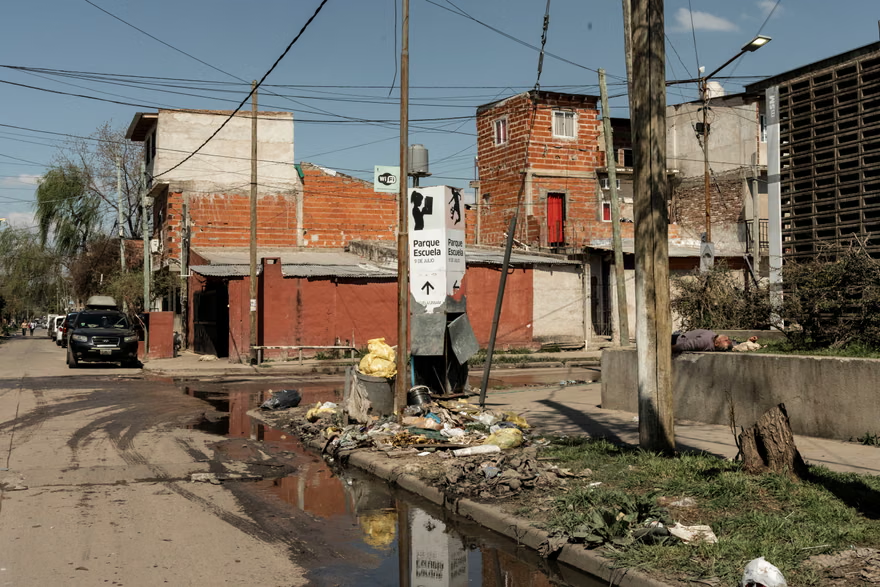
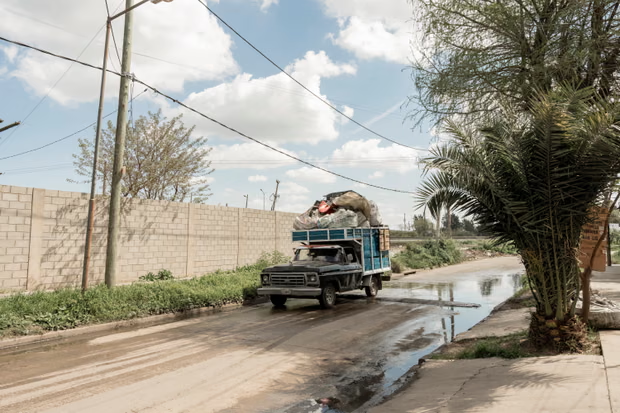
The community, established in 1998 along the banks of the Reconquista River, has spent years confronting rubbish, untreated sewage, industrial waste and inadequate sanitation infrastructure that have transformed parts of the river system into a major environmental and public health concern.
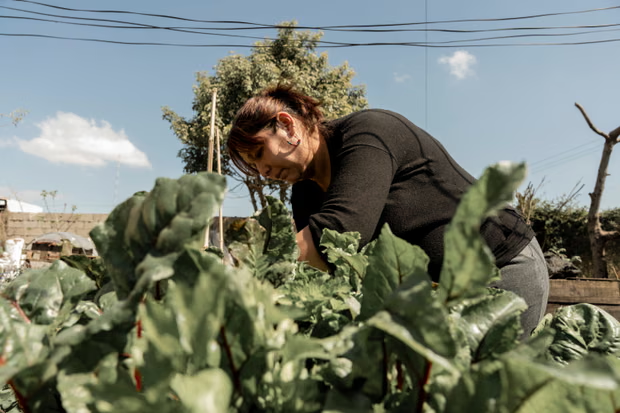
At the centre of the campaign is María Monges, a longtime resident who began organising neighbours after witnessing the condition of the waterways around her community. What started as residents clearing rubbish from blocked streams has grown into a structured local effort involving a workers’ cooperative.
Monges and members of the 9 de Julio workers’ cooperative now clean streams flowing through the neighbourhood during the week, removing waste that accumulates in the waterways. The work has helped improve some areas, although residents say the larger problem remains because pollution continues to enter the river system.
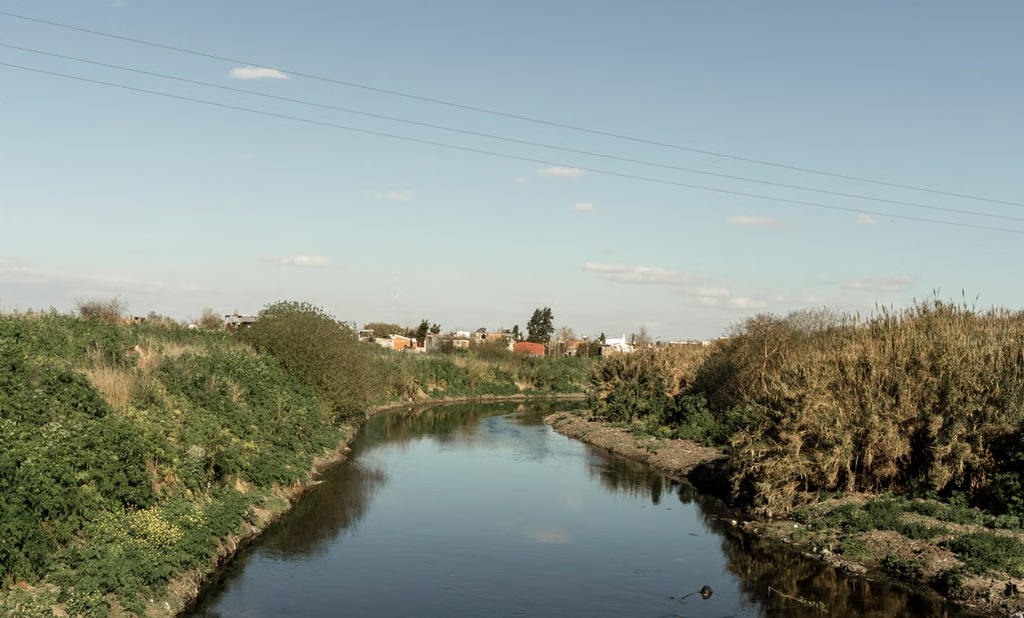
The Reconquista River stretches about 82 kilometres through 18 municipalities and its basin is home to an estimated four to five million people. For decades, untreated sewage, industrial discharge and waste from poorly managed landfills have contributed to its deteriorating condition.
In Costa Esperanza, residents have also raised concerns about contaminated soil and groundwater. Some homes lack adequate access to safe water infrastructure, while pollution from nearby industrial activity has added to the environmental pressures facing the community.
Recent assessments have continued to show serious deterioration in sections of the river. High levels of E. coli, which indicate faecal contamination, and low oxygen concentrations have made parts of the waterway unsuitable for aquatic life and created risks for nearby residents.
People living in the area have reported unpleasant odours and various health problems, including skin irritation and respiratory and gastrointestinal complaints. The effects become particularly difficult during warmer months, when the smell from polluted waterways can become overwhelming.
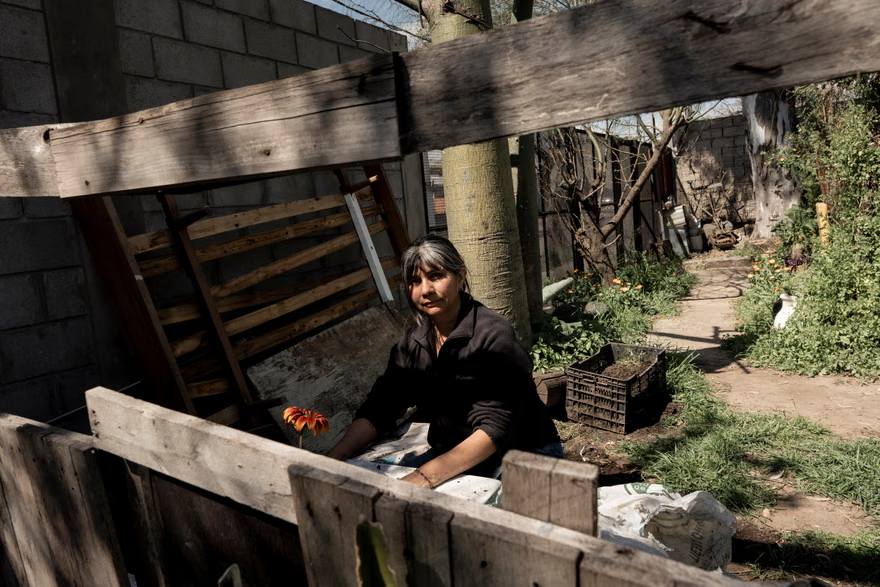
Despite the scale of the challenge, community members have continued organising. Residents hold regular meetings to discuss environmental problems, waste accumulation, water shortages and other issues affecting the neighbourhood.
Women have played a particularly prominent role in the environmental campaign. Researchers working with communities in the Reconquista basin say women have become important organisers in efforts to reduce environmental risks and protect their neighbourhoods.
Other initiatives are also being developed to support the restoration effort. Researchers at a local university are exploring the use of artificial wetlands, which can mimic natural filtration systems and potentially help remove pollutants while improving biodiversity.
Environmental groups are meanwhile pushing for the creation of an ecological reserve in parts of the area. Residents say the landscape once contained wetlands, beaches and abundant wildlife before increasing development and waste transformed the environment.
The community’s experience illustrates the difficulties of restoring waterways that have been polluted over several decades. Cleaning accumulated waste can produce visible improvements, but preventing new pollution requires better sanitation, stronger enforcement and sustained investment.
For Costa Esperanza residents, however, even small improvements offer encouragement. Images of streams after community clean-up operations show sections of the neighbourhood’s waterways looking dramatically different from their polluted state.
The effort has become a reminder that environmental restoration is not only about large government projects. Local residents, organised communities and conservation groups can also play an important role in reclaiming damaged ecosystems and protecting the people who depend on them.











Leave a comment