


By Benson Daniel
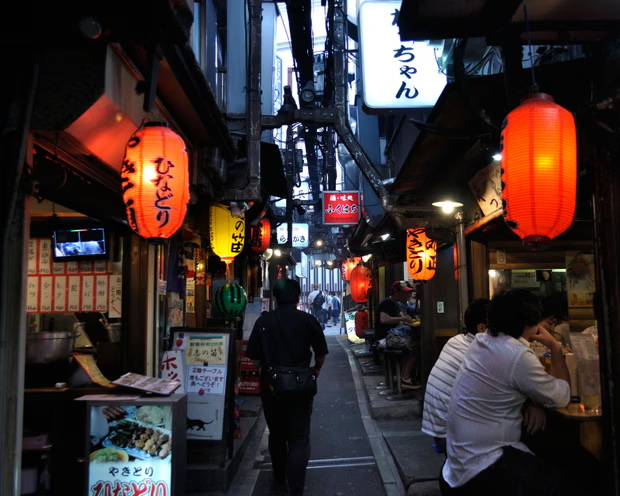
Tokyo’s popular Shinjuku district is moving to restrict short-term rentals in residential areas and around schools following a sharp increase in complaints from residents over the behaviour of tourists.
The planned restrictions could affect about 2,000 private lodging facilities, representing more than half of the nearly 4,000 short-term rental properties registered in the ward.
Shinjuku, known for its busy commercial and entertainment districts, including the famous Kabukicho nightlife area, has become one of Japan’s biggest centres for short-term accommodation. The ward accounts for nearly 10 per cent of the country’s approximately 42,000 registered private lodging facilities.
The rapid growth of short-term rentals has, however, created tensions with residents who say some visitors have repeatedly ignored local rules and disrupted neighbourhood life.
Complaints have included tourists leaving rubbish improperly, making excessive noise, smoking in prohibited areas and, in some cases, trespassing.
Official figures show that Shinjuku received 1,334 complaints relating to private accommodation during the fiscal year ending in March 2026. That represents a dramatic increase from the 82 complaints recorded in fiscal 2021.
The number of short-term rental properties in the ward has also nearly tripled since 2022, intensifying concerns among residents about the impact of mass tourism on residential communities.
Under the proposed changes, private lodging operations in residential zones and areas close to schools would be prohibited. Existing operators would be given a grace period to wind down their businesses once the new restrictions are formally introduced.
The ward is also considering reducing the maximum number of days that short-term rentals can operate in commercial areas from the current 180 days annually to 120 days.
Officials said the proposed changes were prompted by the growing number of complaints and problems associated with the rapid expansion of private accommodation.
The planned restrictions reflect a wider debate in Japan over how to manage the economic benefits of tourism while protecting the quality of life of local residents.
Japan has experienced a major surge in international tourism, bringing increased spending to hotels, restaurants, shops and other businesses. At the same time, popular destinations have faced growing concerns over overcrowding, rising property prices, congestion and visitor behaviour.
Shinjuku’s decision could encourage other local authorities to introduce similar restrictions as they seek to balance tourism with residential interests.
The ward is expected to seek public feedback on the proposed changes before submitting an ordinance revision to the local assembly. The revised rules are targeted for implementation next year.
The move also comes as Japanese authorities give local governments greater room to regulate private lodging businesses in response to concerns about disturbances in residential communities.
For residents of Shinjuku, the proposed restrictions are intended to restore greater control over neighbourhoods that have experienced a rapid influx of visitors.
For the tourism industry and property owners, however, the measures could significantly reduce the availability of short-term accommodation in one of Tokyo’s most popular districts.









Leave a comment