



By Benson Daniel
Rescue teams in Nepal are intensifying efforts to reach dozens of hydropower workers believed to be trapped underground after catastrophic flooding swept through parts of the country, with officials saying some of those missing could still be alive.
At the Rasuwagadhi hydropower plant in Rasuwa district, officials believe 46 workers remain trapped inside a tunnel like chamber. Authorities say there is a possibility the workers survived because they may still have access to food and water inside the underground facility.
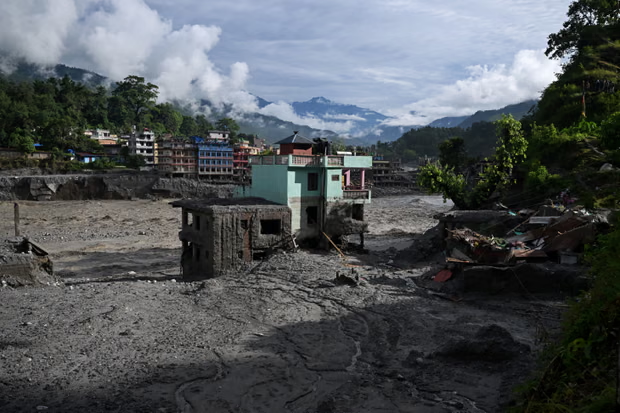
The rescue operation comes more than a week after devastating floods triggered by a glacial collapse near Nepal’s border with China. The disaster sent huge volumes of water, mud, rocks and other debris through valleys, destroying homes, roads, bridges and hydropower infrastructure.
The scale of the damage has made the rescue effort extremely difficult. Large quantities of debris have blocked tunnel entrances, while damaged roads and unstable terrain have slowed the movement of heavy equipment and rescue personnel.
Officials and industry representatives estimate that about 900 hydropower workers remain missing from several affected projects, with hundreds believed to have been inside tunnels when the flooding occurred. Rescue operations are therefore focusing heavily on underground facilities where workers may have found dry spaces that offered temporary protection from the floodwaters.
Nepalese rescue personnel are being supported by international specialists as authorities attempt to clear the tunnels and identify possible survivors. Excavators and other heavy machinery are being used alongside drilling and manual excavation, although the amount of mud and rock inside some passages has severely restricted access.
At some locations, rescuers have had to work through narrow and unstable sections of tunnels while dealing with the risk of further flooding and collapsing debris. The difficult terrain has also complicated the delivery of machinery and other equipment to the affected hydropower sites.
The situation has created a race against time. While people trapped underground can survive for some time without food, access to clean water and breathable air remains critical. Rescuers are therefore working to determine whether pockets of air and relatively dry areas remain inside the blocked tunnels.
The flooding has caused widespread devastation across Nepal. At least 1,252 people have been confirmed dead, while more than 4,200 remain missing, according to the latest reports. Around 20,000 homes are expected to require reconstruction, while thousands of displaced residents are relying on temporary relief arrangements.
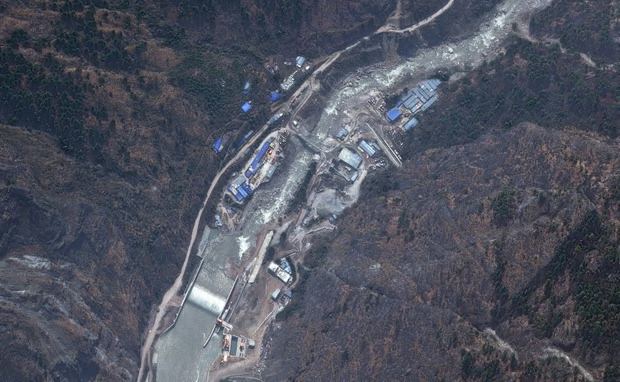
The disaster has also exposed the vulnerability of Nepal’s rapidly expanding hydropower sector to extreme weather events. At least 12 hydropower projects in Rasuwa and Nuwakot districts were damaged, affecting facilities with a combined capacity of about 670 megawatts.
Despite the growing humanitarian toll, rescue teams have refused to abandon the search for workers who may still be alive. Officials remain hopeful that dry chambers within the underground facilities could have protected some workers from the worst of the flooding.
For families waiting for news, however, every passing day brings greater uncertainty. Rescue crews are continuing to clear the tunnels in the hope of turning that uncertainty into signs of life.








Leave a comment