


By Benson Daniel
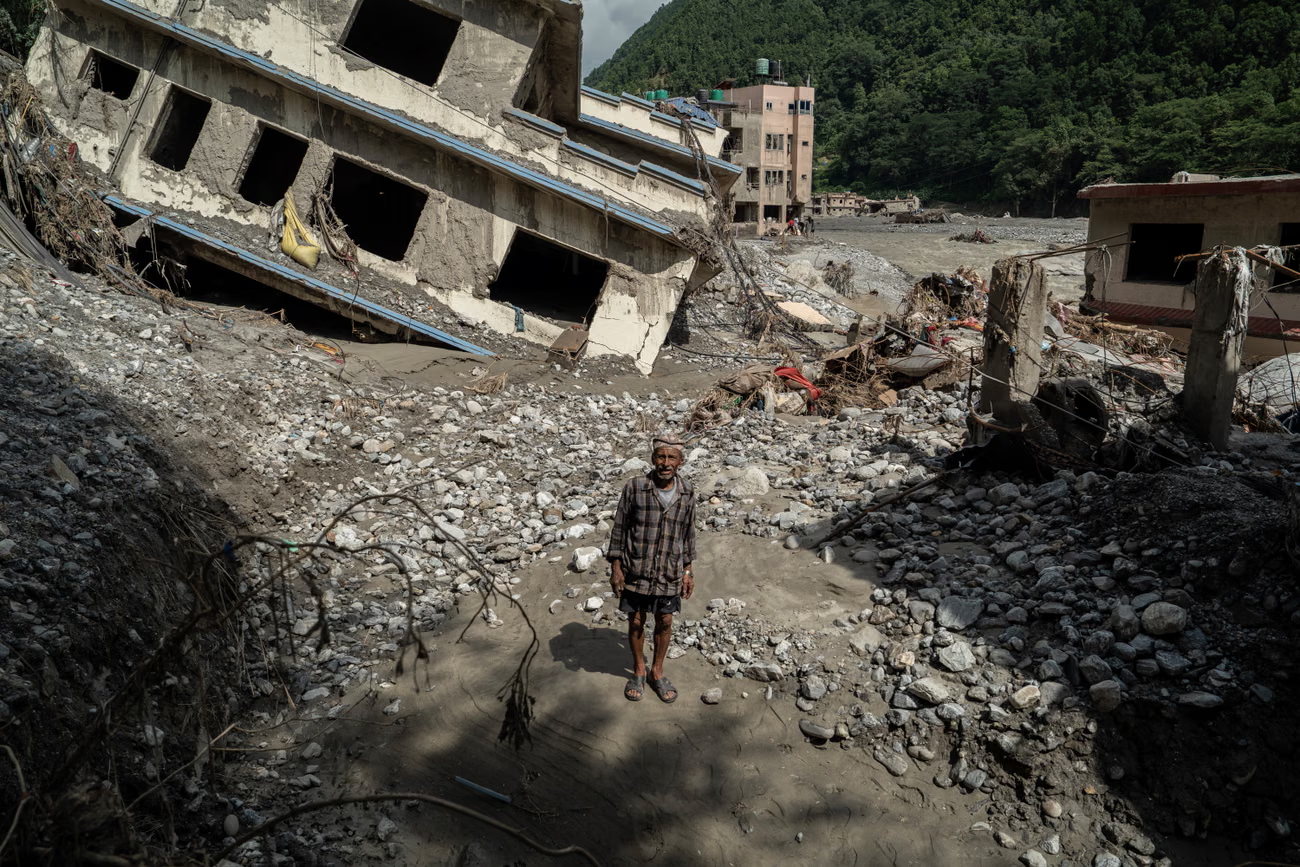
The full human cost of Nepal’s catastrophic floods is becoming clearer as rescue teams reach some of the worst hit districts, where entire communities have been buried under mud, swept away by raging rivers or cut off from the rest of the country.
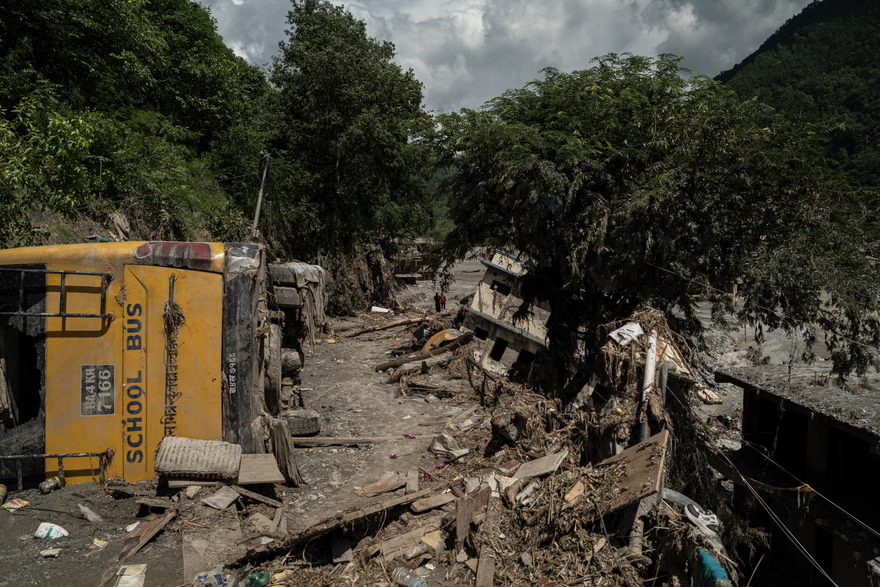
The disaster, triggered by a massive ice and rock collapse in the Himalayas on August 26, sent an enormous surge of water and debris through valleys along the Nepal China border. The flood travelled rapidly downstream, destroying homes, roads, bridges, power facilities and other critical infrastructure.
More than 1,200 people have now been confirmed dead in Nepal, while thousands remain missing. The disaster has also affected neighbouring Tibet, where dozens of deaths have been recorded.
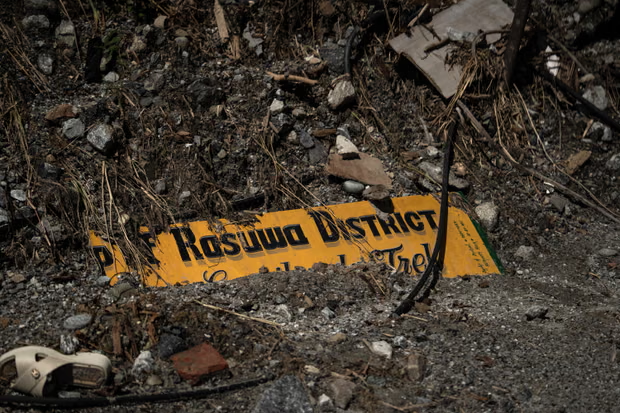
Rasuwa and Nuwakot have emerged as some of the worst affected districts. Dhading, Gorkha and Chitwan have also suffered extensive damage, while flood waters and debris carried bodies and destruction far downstream.
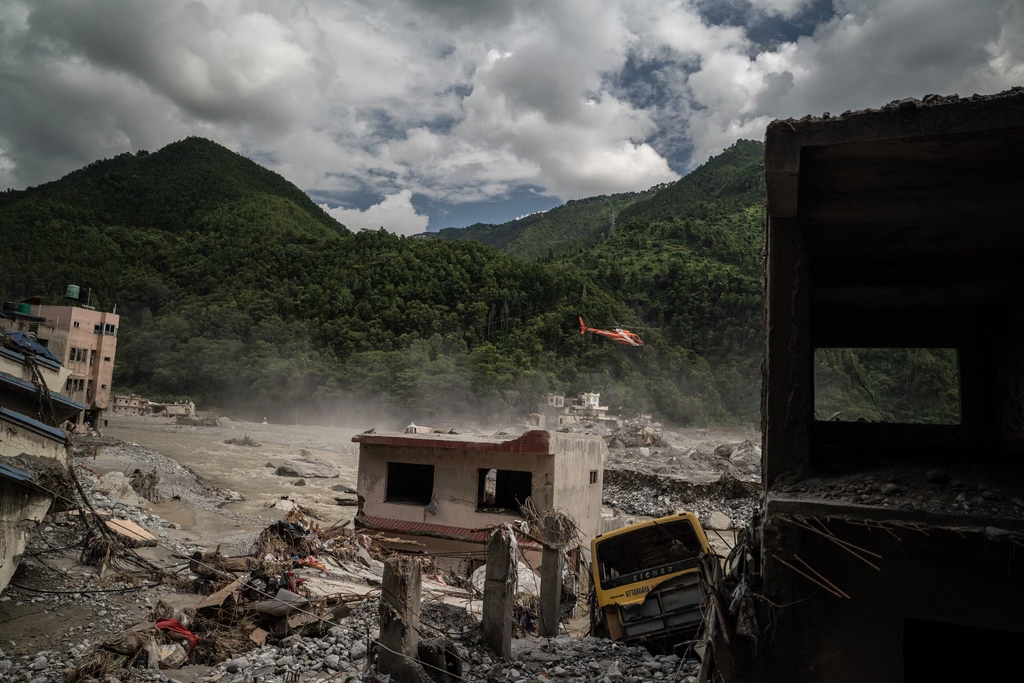
For survivors, the disaster has left a landscape that bears little resemblance to what existed before the flood.
In several communities, houses have been reduced to piles of mud and rubble, while roads that once connected mountain settlements have disappeared. Bridges have been destroyed, forcing residents to find improvised ways of crossing rivers and reaching neighbouring communities.
The destruction has also made the rescue operation exceptionally difficult. Helicopters have been used to reach isolated settlements, while soldiers and emergency workers have been clearing roads and digging through debris in search of survivors and missing people.
Hydropower facilities have become a major focus of the search. Hundreds of workers remain unaccounted for at damaged projects, with some believed to be trapped inside tunnels buried or blocked by flood debris. Thousands of security personnel have been deployed alongside international rescue specialists.
The humanitarian situation is equally severe.
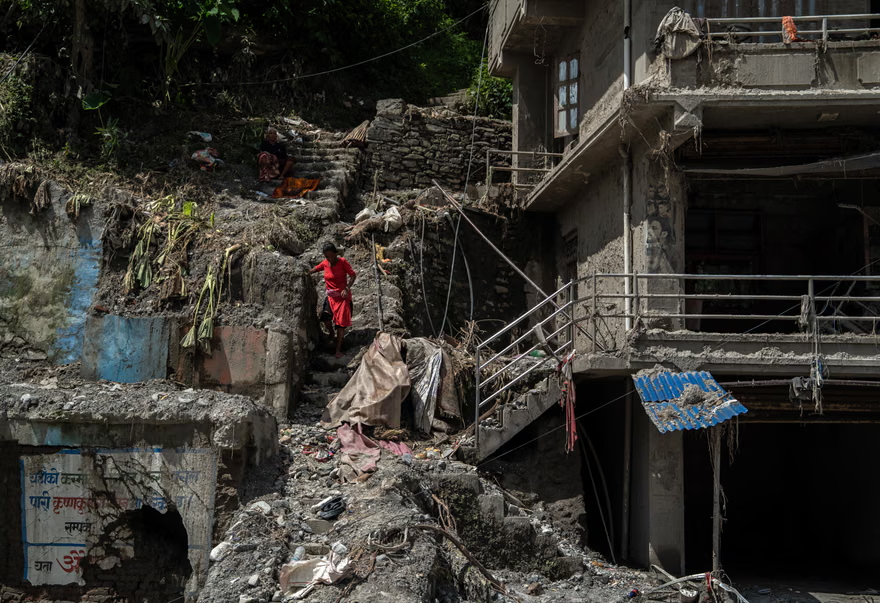
Thousands of displaced residents are living in temporary shelters after losing their homes and belongings. Some survivors are struggling to obtain medicines and other basic necessities, while damaged roads and bridges continue to complicate the delivery of relief supplies.
In some communities, residents have resorted to unusual methods to cross rivers because conventional routes have been washed away. Temporary zip lines have been installed in parts of Nuwakot to help people move between areas separated by the swollen Trishuli River.
The psychological toll is also becoming increasingly apparent. Families continue to search for relatives who disappeared when the flood swept through villages and river valleys. For many, the absence of bodies or reliable information has prolonged the trauma and made it difficult to begin rebuilding their lives.
The scale of the destruction has raised questions about Nepal’s preparedness for extreme events in its mountainous regions. Scientists have warned that a warming climate is contributing to the destabilisation of glaciers and mountain ice, increasing the risks faced by communities living downstream.
The government now faces the enormous task of moving from emergency rescue to long term recovery. Thousands of homes will have to be rebuilt, damaged roads and bridges restored and critical power infrastructure repaired.
Authorities estimate that about 20,000 homes may need reconstruction in the flood devastated areas, while schools and other public facilities have also suffered major damage. More than 22,000 children are reported to need basic services as authorities consider temporary learning arrangements in safer locations.
For the people living through the aftermath, however, recovery is about more than rebuilding structures. Many have lost relatives, livelihoods and the communities they knew.
As rescue teams continue searching through the ruins, Nepal is confronting a disaster whose consequences are likely to be felt long after the floodwaters have receded.








Leave a comment