


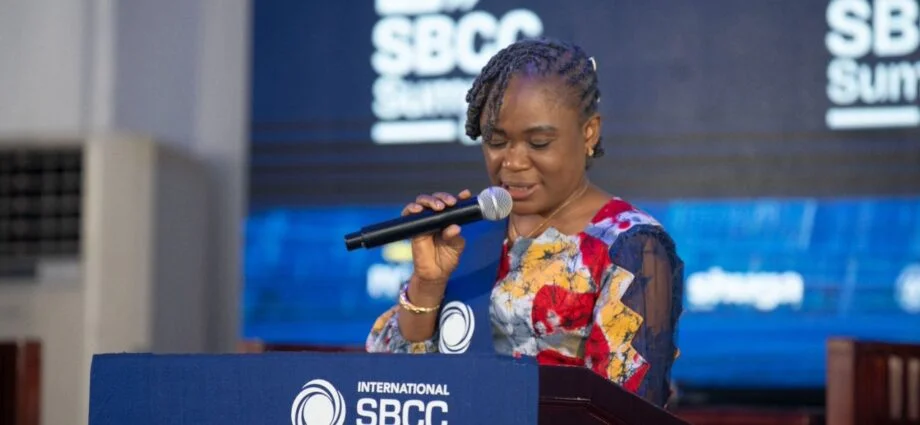
Behavioural change experts have called on the Federal Government to institutionalise Social and Behaviour Change Communication (SBCC) as a core government function, supported by dedicated personnel, sustainable funding and behavioural evidence in policy planning.
The experts made the call in Abuja at a post SBCC Summit engagement organised by the Centre for Communication and Social Impact (CCSI), following the 2026 International SBCC Summit in Panama.
According to a report by the News Agency of Nigeria (NAN), the engagement brought practitioners together to examine lessons from the summit and discuss ways to strengthen SBCC within Nigeria’s health and development systems.
Mrs Foyeke Oyedokun-Adebagbo, a Population Council expert, said Nigeria had existing government structures that could support SBCC and urged authorities to strengthen them rather than create new ones.
She said having communication units was not enough without adequate staffing, technical capacity, authority and resources to effectively deliver behavioural change interventions.
Oyedokun-Adebagbo also called for recruitment and professional development systems that would equip government personnel with skills in behavioural analysis, community listening and evidence based communication.
She identified sustainable financing as another key requirement, noting that SBCC activities should be included in government budgets and funded consistently rather than depending largely on donor support.
She further advocated the use of behavioural insights and community listening data in routine government planning, particularly in the health sector.
According to her, the real test of institutionalisation would be whether trained personnel, learning systems and funding mechanisms remain functional after donor funded projects end.
Mr Samson Odukogbe, Senior Knowledge and Communications Officer at the Association for Reproductive and Family Health (ARFH), said stronger advocacy was needed to secure political commitment to SBCC, especially as donor funding declines.
He urged governments to make SBCC part of planning, programming, budgeting and long term sustainability strategies, while encouraging partnerships with universities and specialised organisations to strengthen research and capacity.
Mrs Halima Buba, Engagement Manager at Solina Centre for International Development and Research (SCIDaR), called for greater involvement of young people and informal community networks in SBCC interventions.
She said youth groups, women’s networks, market women and transport networks could play important roles in reaching communities, particularly during health emergencies.
Mr Bako Kantiok, Programme Manager at CCSI, also stressed the need for collaboration among government, development partners, communities and SBCC practitioners.
He urged stakeholders to create platforms where successes and failures could be openly assessed, with lessons used to improve future interventions.
The experts agreed that stronger government ownership, predictable financing, community participation, evidence based planning and collaboration would be critical to ensuring that SBCC interventions continue beyond individual projects and donor funding cycles.







Leave a comment