


By Benson Daniel
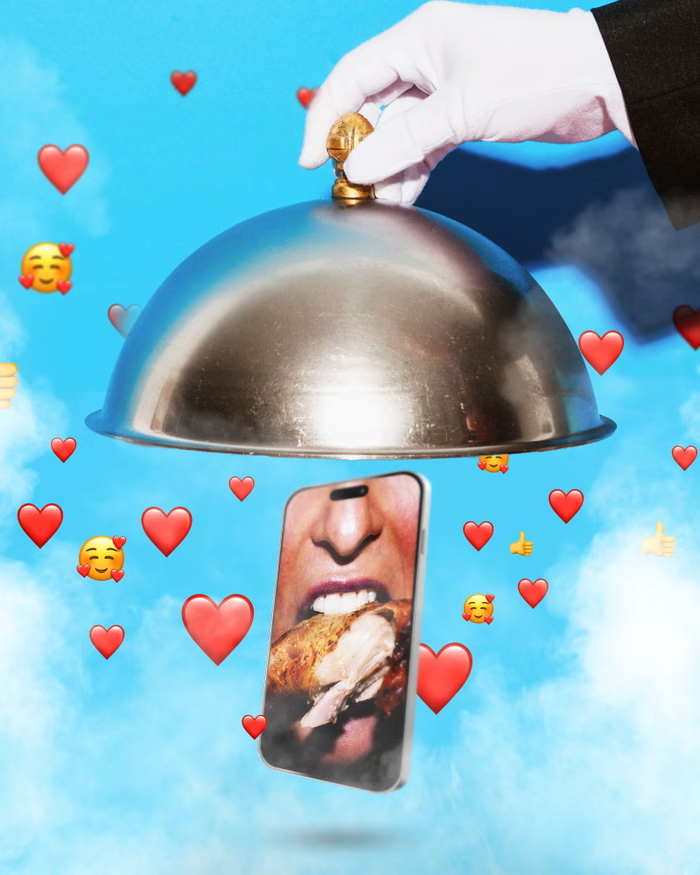
Food influencers have become some of the most powerful voices in Britain’s restaurant industry, capable of filling dining rooms with a single video. But as their influence has grown, so too have questions about whether audiences can still trust what they see on their screens.
Over the past several years, Instagram and TikTok creators have transformed the way people discover restaurants. A successful video can put an unfamiliar restaurant in front of millions of potential customers, generating attention that traditional newspaper reviews and magazines can struggle to match.
For restaurants, the attraction is obvious. Influencers can deliver large audiences at a fraction of the cost of conventional advertising, while presenting recommendations in a format that feels personal and spontaneous.
The relationship has produced some remarkable results. Darjeeling Express in London, for example, experienced a major increase in business after appearing in a Topjaw video, while a London barbecue pop up reportedly attracted about 200 customers in a single day after being featured by food creator Toby Inskip.
But behind the carefully edited videos is a business arrangement that is often less spontaneous than it appears.
Restaurants frequently work through public relations agencies that invite selected influencers to openings and provide complimentary meals. Some PR operations spend thousands of pounds each month promoting individual restaurants, with influencers becoming part of the marketing strategy.
That has created an uncomfortable problem for creators who present themselves as independent food guides.
If an influencer knows that consistently negative coverage could mean fewer invitations, free meals or commercial opportunities, questions naturally arise over how freely they can criticise a restaurant.
Some industry figures have also alleged that certain influencers accept payments that are not properly disclosed in exchange for favourable coverage. Such arrangements blur the distinction between advertising and editorial opinion and can undermine confidence in the entire sector.
The problem is particularly visible in the overwhelmingly positive tone of much restaurant content.
Influencers often describe meals as “amazing”, “perfect” or the “best” without explaining what was disappointing or ordinary about the experience. That enthusiasm may be effective at attracting viewers, but audiences are increasingly questioning whether every restaurant can genuinely be as exceptional as their social media feeds suggest.
The economics of influencing make the situation more complicated.
Despite their large followings, many food influencers earn little or no regular income directly from restaurant content. Instagram does not simply pay creators according to the number of views their food videos receive, leaving many dependent on other jobs, brand partnerships or side businesses.
Free meals can therefore become one of the principal rewards for producing restaurant content, even though creating professional videos can require cameras, lighting, assistants and considerable time.
At the same time, the platforms themselves have changed the nature of food influencing.
The rise of short form video has shifted attention away from carefully composed photographs and detailed restaurant criticism towards personality driven content. Successful creators increasingly appear on camera, with exaggerated reactions, rapid editing and highly recognisable styles designed to keep viewers watching.
Algorithms reward content that generates engagement, encouraging influencers to develop increasingly distinctive performances.
That has created a new generation of food personalities who are often as important to the story as the food itself. One of the UK’s largest food accounts, Eating With Tod, has amassed millions of followers across Instagram and TikTok, illustrating the enormous audience available to creators who successfully combine food with entertainment.
Yet there are signs that the industry may be entering a new phase.
Several public relations professionals interviewed for the investigation suggested that audiences are becoming less receptive to relentless positivity and paid promotions. Smaller creators, sometimes known as micro influencers, are increasingly attractive because their recommendations can appear more personal and independent.
That shift could force food influencers to reconsider what their audiences actually value.
The creators who survive the next stage of the industry may not necessarily be those with the biggest follower counts. They could instead be those willing to tell audiences when a meal is disappointing, distinguish advertising from genuine recommendations and preserve the credibility that made people follow them in the first place.
Food influencers have undoubtedly changed the restaurant business. They have helped small establishments reach huge audiences, introduced diners to new cuisines and given restaurants a powerful new promotional tool.
But influence depends on trust.
If audiences begin to believe that every enthusiastic review is simply another form of advertising, the very popularity that made food influencers so valuable could become their greatest weakness.









Leave a comment