



By Benson Daniel
The annual Osun Osogbo Festival has once again drawn hundreds of devotees to the sacred Osun River, but beneath the colour, music and spiritual ceremonies is a growing environmental crisis that threatens one of Nigeria’s most important cultural traditions.

The river, regarded as sacred by worshippers of Osun, the Yoruba deity associated with fertility, beauty and healing, has changed dramatically in recent years. Once clear, its waters have become brown and polluted, with mining activities upstream blamed for introducing heavy metals and sediment into the river.
The Osun River runs through the Osun Osogbo Sacred Grove, a 75 hectare site recognised as a UNESCO World Heritage Site. For centuries, worshippers have travelled to the grove to pray, make offerings and seek blessings from the goddess.
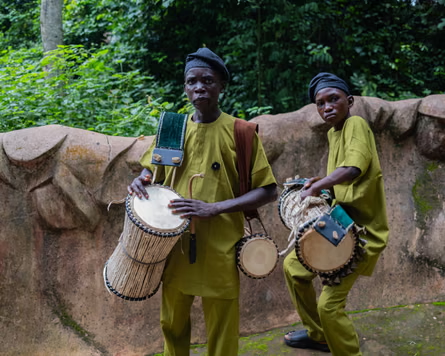
For many devotees, the river is not simply a waterway. It is at the centre of their faith.
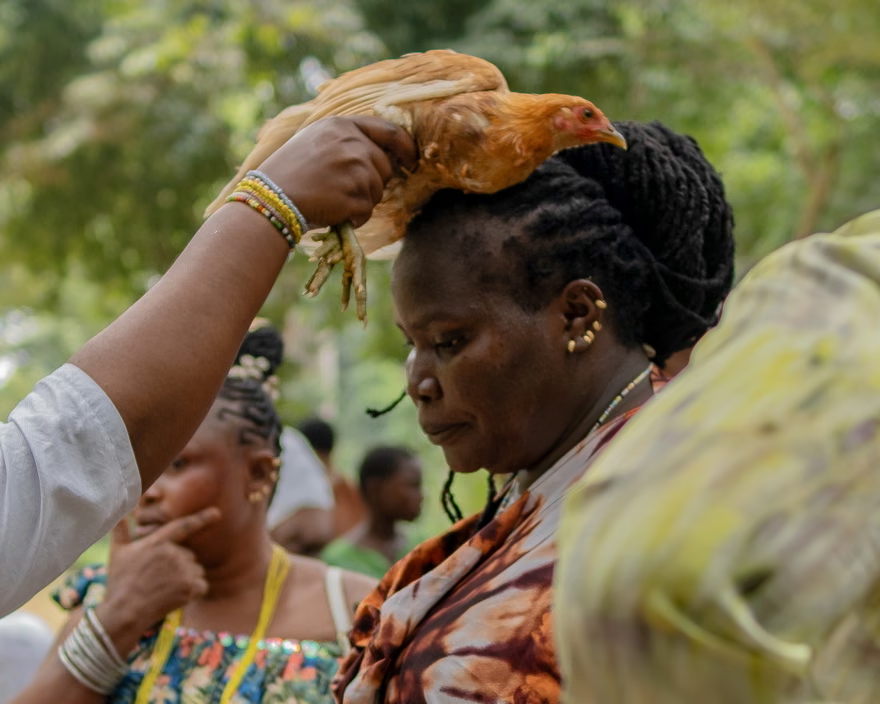
During the festival, worshippers traditionally approach the river carrying offerings including fruits and kola nuts. Some drink the water, bathe with it or collect it in bottles and containers to take home, believing that it possesses spiritual and healing powers.
That practice has become increasingly controversial as concerns over the river’s safety have grown.
Independent testing commissioned by environmental and social justice organisation Urban Alert found unsafe concentrations of lead, mercury and cyanide in samples taken from several locations along the river. The substances can pose serious health risks, particularly to children and pregnant women.
The contamination has been linked to gold mining activities in Osun State. Artisanal and small scale miners operating upstream are accused of allowing mining runoff and sediment to enter waterways feeding the river.
The problem became particularly visible from 2018, when residents and worshippers began noticing a marked deterioration in the colour and quality of the water.
Despite government warnings ahead of this year’s festival that the water was unsafe for drinking, many devotees continued to use it.
Their decision reflects the deep spiritual importance of the river and the difficulty of separating environmental concerns from religious practice. Some worshippers view the water as a sacred substance rather than ordinary water and believe that its spiritual properties protect them from harmful substances.
The pollution is also threatening the wider ecosystem.
Heavy metals can remain in river sediments for long periods, enter fish and aquatic vegetation and become increasingly concentrated as they move through the food chain. Environmental experts warn that the consequences could therefore continue even after mining activity is reduced or stopped.
For communities that depend on the river ecosystem, the damage could extend beyond the festival. Fisheries, biodiversity and other economic activities connected to the waterway are all potentially at risk.
Religious leaders and cultural advocates have repeatedly called for stronger government action against mining operations responsible for the contamination.

Some enforcement measures have already been taken, including arrests of prospectors and the closure of illegal mining sites. Campaigners, however, argue that these measures have not been matched by a comprehensive plan to clean up the river or independently monitor improvements in water quality.
Yemi Elebuibon, a prominent Ifá priest and writer, has been among those calling for the protection of the river. The concern among traditional worshippers is not only about the appearance of the water but about the future of a tradition that has survived for hundreds of years.
The festival attracts worshippers from across Nigeria and the African diaspora, including visitors from countries such as Brazil, Cuba and the United States. It has also become an important cultural tourism event, bringing visitors to Osogbo to experience Yoruba traditions at one of the country’s most significant sacred sites.
Environmental campaigners say the government faces a difficult but urgent choice. Gold mining provides income and economic opportunities, but continued pollution of the river could permanently damage an irreplaceable cultural and ecological asset.
They are calling for authorities to map the full extent of contamination, strengthen enforcement against polluting mining operations and develop a properly funded remediation programme.
For devotees gathered at the river, however, the issue is more immediate. They are being asked to reconsider a practice that has been central to their spiritual lives for generations.
The challenge facing Osun Osogbo is therefore larger than a polluted river. It is a struggle to protect a living cultural heritage while confronting the environmental consequences of an industry that continues to expand around it.








Leave a comment