



BY BLESSING FALI
A leading Nigerian surgeon has clarified that there is no fixed price for kidney transplants, stressing that costs vary depending on several factors including hospital facilities, medical expertise, and post-surgery care. The statement comes amid growing public debate on the affordability and accessibility of organ transplants in the country.
According to the surgeon, the misconception that kidney transplants have a uniform price tag is misleading. He explained that the procedure involves multiple stages — from pre-surgery evaluations, donor compatibility tests, and surgical operations, to long-term post-operative care. Each of these stages carries its own financial implications, which differ across hospitals and regions.
The surgeon emphasized that while some hospitals may charge higher fees due to advanced equipment and specialized personnel, others may offer relatively lower costs but with limited facilities. He added that the overall expense also depends on whether the kidney is sourced from a living donor or through other legal medical channels, as well as the complexity of the patient’s condition.
Medical experts have warned that the rising demand for kidney transplants has fueled misinformation and exploitation, with some individuals attempting to commercialize organ donation illegally. The surgeon reiterated that organ trade is prohibited under Nigerian law, and that patients must only pursue transplants through recognized medical institutions.
Civil society groups have called on the government to subsidize transplant procedures, noting that many patients suffering from kidney failure cannot afford the high costs. They argue that improved funding and investment in public hospitals would make life-saving surgeries more accessible to ordinary citizens.
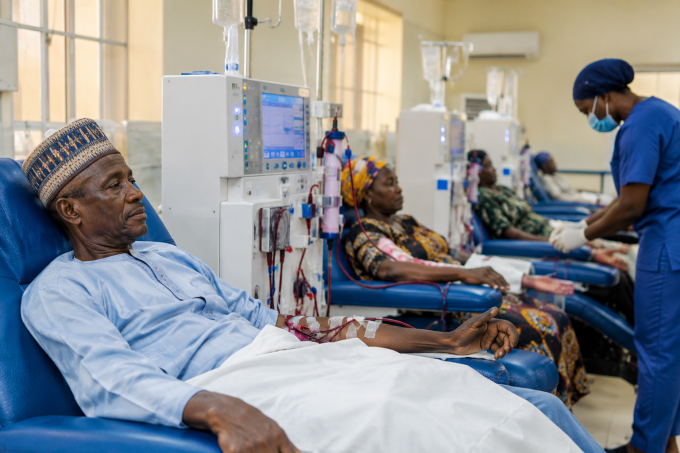
Health analysts also highlighted the importance of public awareness campaigns to educate Nigerians about kidney health, prevention of renal diseases, and the legal framework surrounding organ donation. They stressed that prevention remains the most cost-effective approach, as dialysis and transplants are financially and emotionally draining for patients and their families.
The surgeon concluded by urging patients and families to seek guidance from certified medical professionals rather than relying on hearsay or unverified claims. He assured that with proper planning, consultation, and support, kidney transplants can be successfully managed within Nigeria’s healthcare system.








Leave a comment