


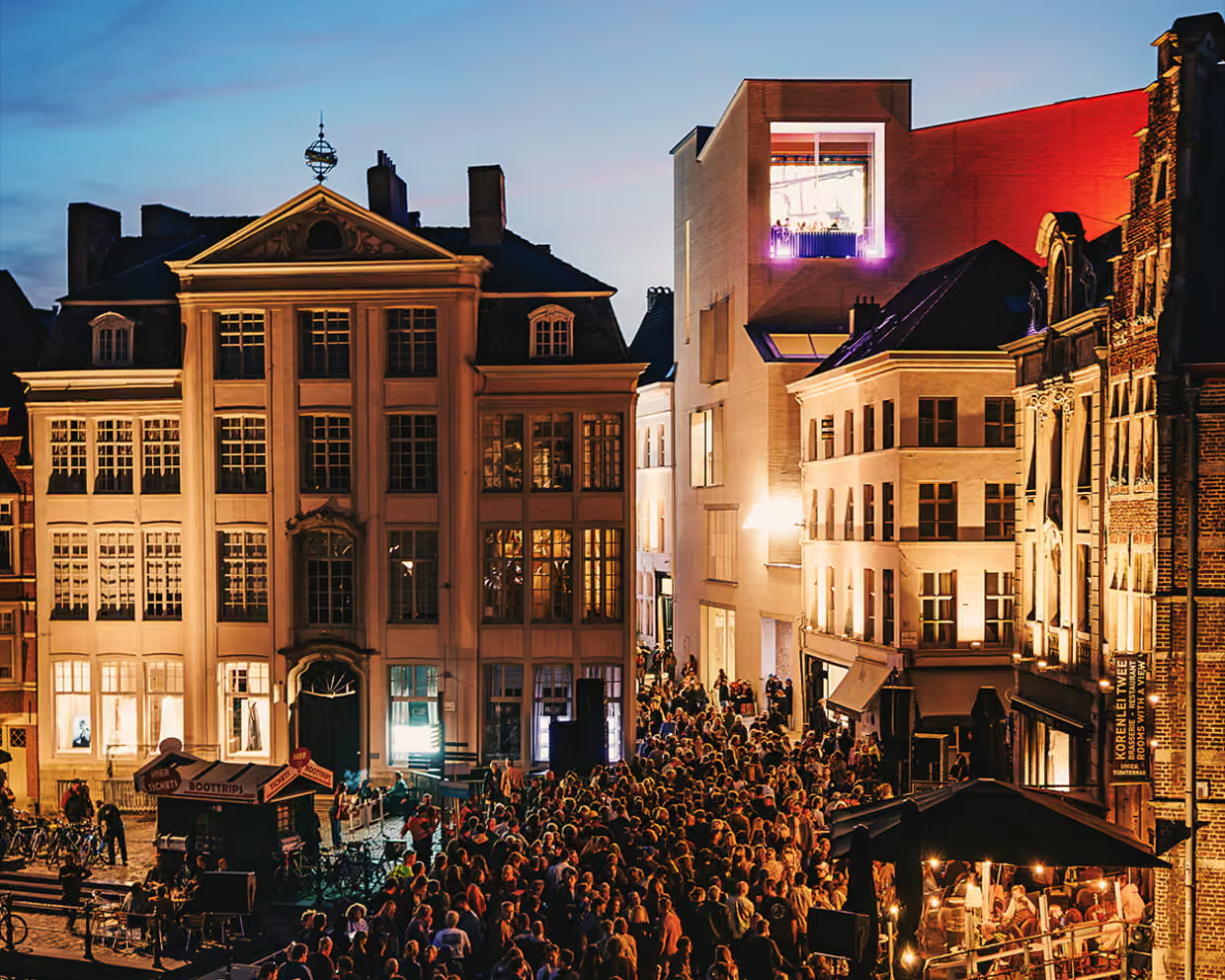
A newly renovated design museum in Ghent, Belgium, is attracting attention for its innovative use of recycled materials, including discarded car windscreens, old sinks and toilets, as part of a €20 million project aimed at reducing construction emissions.
The expanded Design Museum Gent reopened on October 3, 2026, following a four-year renovation and expansion designed to combine contemporary architecture with environmental sustainability.
The five-storey extension was designed by London-based architectural firm Carmody Groarke in collaboration with Belgian firms ATAMA and RE-ST. Its exterior features more than 82,000 specially developed bricks made from 63 per cent locally sourced construction waste.
Unlike conventional clay bricks, which require energy-intensive firing, the recycled bricks are hardened using hydrated lime. The process reduces their embodied carbon emissions by approximately two-thirds compared with traditional fired-clay bricks. The lime also absorbs carbon dioxide from the atmosphere as it cures.
The project incorporates other reclaimed materials, including timber salvaged from a Brussels tobacco factory, while some interior surfaces feature local clay and innovative materials made from seaweed, flax and volcanic ash.
Architect Andy Groarke said the project demonstrated how construction waste could be reused rather than discarded. Architect Sian Ricketts, the firm’s sustainability lead, described the bricks as a practical demonstration of alternative building methods.
Beyond its environmental features, the expansion connects previously separate sections of the museum, creating a continuous route through its galleries. It also provides spaces for educational workshops, public events and exhibitions.
The project demonstrates how recycled materials and lower-carbon construction methods can reduce waste while giving existing resources a new purpose.









Leave a comment