


By Benson Daniel
Farmers, civil society organisations and community leaders have renewed calls for greater transparency and public scrutiny of the Federal Government’s $2.5 billion livestock investment agreement with Brazilian meat processing giant JBS.
The stakeholders are demanding that the full details of the agreement be made publicly available before the project moves further, arguing that communities, farmers and other key players in the livestock value chain should have a clear understanding of its scope and potential impact.
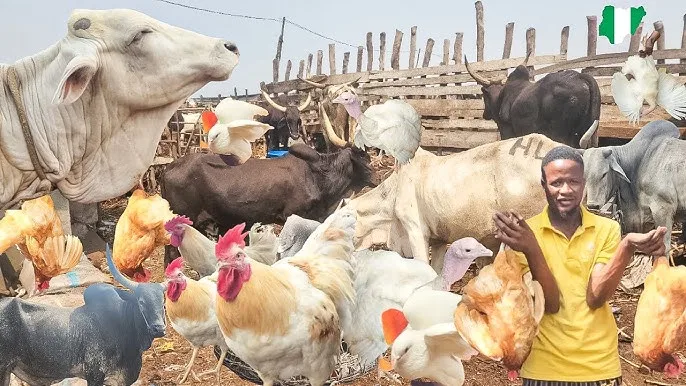
The investment agreement, which was announced following a letter of intent signed between the Nigerian government and JBS, is expected to support the development of large scale meat processing facilities across the country. The project includes plans for six modern meat processing plants, with the government presenting the investment as part of efforts to strengthen Nigeria’s livestock industry, improve food security and create economic opportunities.
However, concerns have emerged over the level of consultation surrounding the project.
Stakeholders have questioned why the complete agreement has not been made easily accessible to the public, particularly given the scale of the proposed investment and its potential implications for land use, livestock production, local communities and smallholder farmers.
They are also calling for independent environmental and social impact assessments to be conducted before implementation proceeds in affected communities.
The concerns have gained renewed attention following growing international scrutiny of JBS’s planned expansion in Nigeria. In July 2026, Greenpeace Netherlands petitioned a Dutch court seeking access to information relating to JBS’s global expansion plans, including the company’s proposed $2.5 billion investment in Nigeria.
The organisation said Nigerian civil society groups had raised concerns about the possible environmental and social consequences of the expansion and the lack of publicly available information about impact assessments and community consultations.
In Nigeria, stakeholders have similarly argued that the project should not be implemented without adequate consultation with farmers, traditional institutions, civil society organisations and communities that could be affected.
They said transparency would help build public confidence and reduce the possibility of disputes between investors, government authorities and host communities.
The proposed investment has also attracted support from institutions working to prepare Nigerian livestock producers for the opportunities it could create. Training programmes have been launched to help farmers and other actors in the livestock value chain improve production, feed management and the quality of animals supplied to processors.
The government has maintained that the JBS investment could help modernise Nigeria’s livestock industry and increase the country’s capacity to produce and process meat for domestic consumption and export.
Supporters of the project believe the development of modern processing facilities could create new markets for livestock producers, stimulate investment across the agricultural value chain and generate employment.
Stakeholders seeking greater transparency, however, have stressed that economic benefits should not come at the expense of communities, farmers or the environment.
They want the government to publish the complete agreement and establish a clear framework for public participation before major implementation decisions are taken.
The debate highlights the challenge facing Nigeria as it seeks to attract large foreign investments while ensuring that major projects meet environmental, social and accountability standards.
For the livestock sector, the success of the JBS investment will ultimately depend not only on the amount of capital committed but also on how effectively government, investors, farmers and communities work together.
Making the terms of the agreement publicly accessible, stakeholders argue, would provide an important starting point for building confidence around the project and ensuring that its promised benefits are widely shared.










Leave a comment