


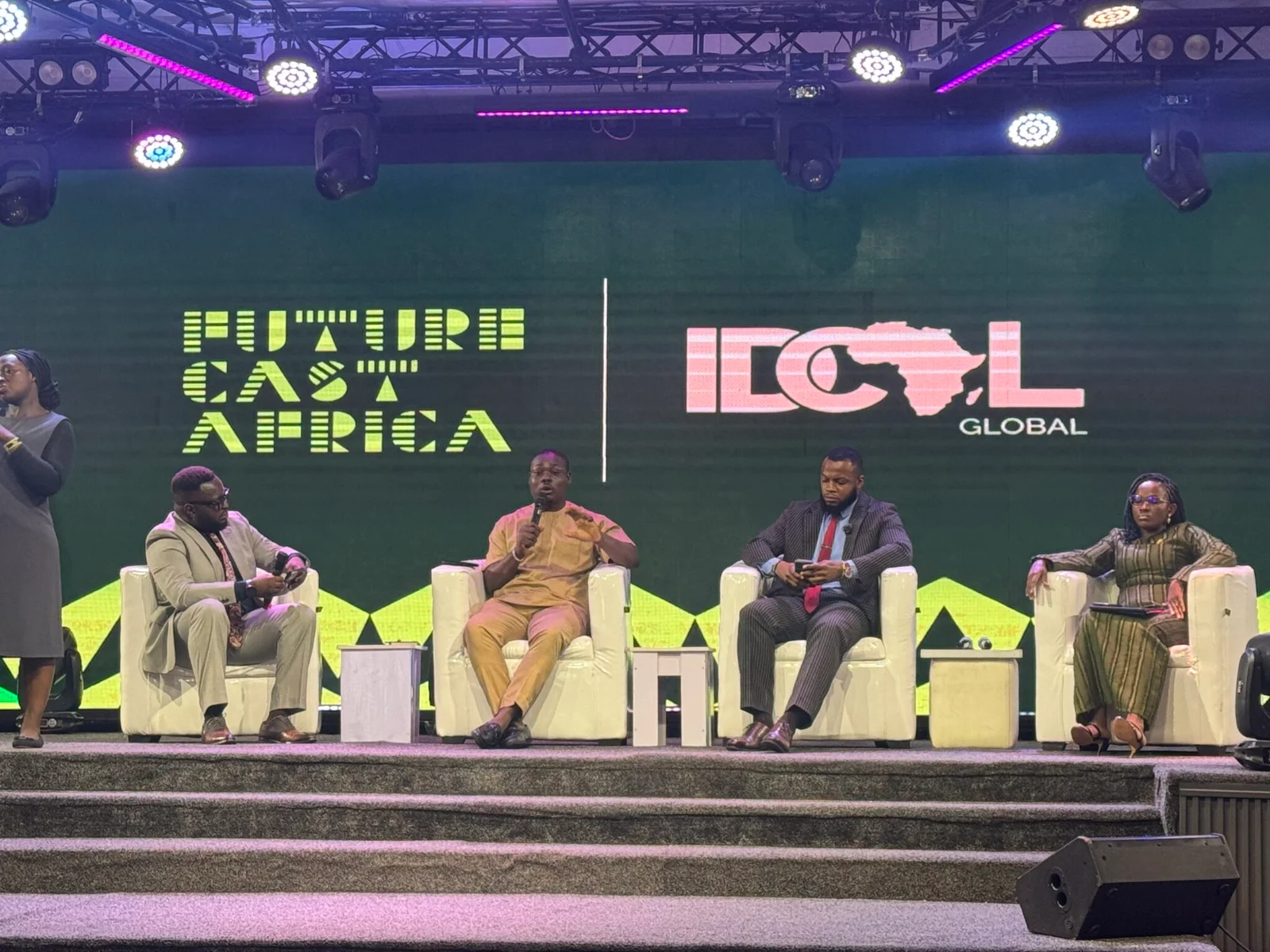
Stakeholders at the Futurecast Africa 2026 Conference have called on Nigerians, particularly young people, to become more actively involved in community development, democratic processes and public accountability as part of efforts to accelerate national transformation.
Speaking during a panel session at the conference in Abuja, Amb. Kenneth Anetor, an advocate for youth development and mental health, said sustainable national development could not be achieved through government intervention alone, stressing the importance of grassroots participation.
According to a report by the News Agency of Nigeria (NAN), Anetor said communities must take ownership of development challenges and work collectively to find solutions rather than depend entirely on government.
He described the collective voice of citizens as a powerful tool for driving positive change, noting that active participation at the community level would ultimately translate into broader national development.
Anetor explained that community engagement had also helped improve citizens’ involvement in policy discussions, particularly through his engagement with National Assembly committees dealing with drug abuse and related issues.
He maintained that every young Nigerian who contributes positively to society strengthens the foundation for sustainable national development.
Also speaking, Olaniyan Sanusi, who represented the Chief Executive Officer of Yiaga Africa, Samson Itodo, expressed concern over declining voter participation, particularly among young Nigerians.
Sanusi noted that although young people constituted a significant proportion of new voter registrations ahead of the 2023 general elections, many failed to participate in the actual voting process.
He stressed that democratic participation should extend beyond election day, urging citizens to engage government institutions between elections, participate in political activities, attend town hall meetings and demand accountability from elected officials.
Sanusi said experiences with citizens’ assemblies at the local government level had demonstrated that communities could influence development decisions when residents organised themselves and actively engaged public authorities.
He also encouraged eligible voters to take advantage of technological innovations being introduced by the Independent National Electoral Commission (INEC) ahead of the 2027 general elections.
Meanwhile, Lucy James, Chief Executive Officer of the Public and Private Development Centre (PPDC), called for greater public awareness of government procurement processes as a means of strengthening transparency and accountability.
James observed that many citizens were unaware that information about government contracts could be accessed through the Bureau of Public Procurement’s Open Contracting Data Standards platform.
She explained that access to procurement information would empower citizens to track public projects, monitor implementation and ensure that contractors deliver projects according to agreed standards.
According to her, accountability should not stop at budget approval, but must also extend to the procurement and implementation stages of government projects.
James therefore urged citizens to actively monitor development projects in their communities and demand explanations from relevant authorities and contractors whenever projects fail to meet expected standards.
She also encouraged small and medium scale enterprises to register on the national contractors’ database to enable them participate in public procurement opportunities.
The discussions at the Futurecast Africa 2026 conference highlighted the need for stronger collaboration between citizens, government institutions, civil society organisations and the private sector to promote accountable governance and sustainable development.
The conference was organised in collaboration with IDCL Global and brought together stakeholders to examine ways of empowering citizens and strengthening community driven development across Africa.









Leave a comment