


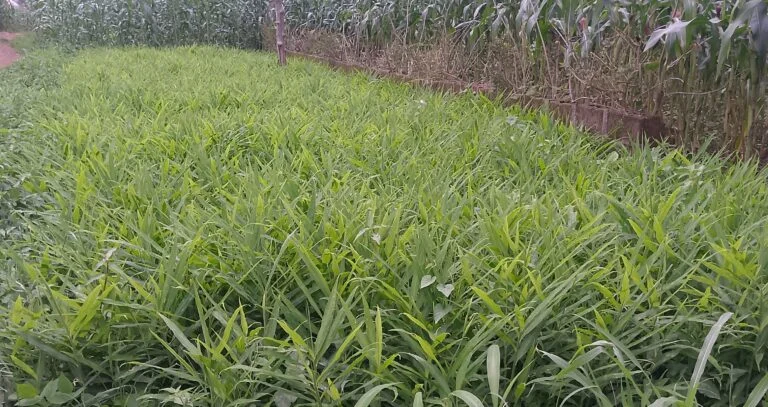
Ginger farmers in Kaduna State have reported significant improvements in productivity, livelihoods and community awareness following the implementation of a child labour intervention project, prompting calls for the programme to be expanded to reach more farming communities. The initiative, designed to eliminate child labour in agricultural production while promoting decent work and sustainable farming practices, has equipped farmers with knowledge and practical strategies to improve productivity without relying on the labour of children.
Beneficiaries said the project has enhanced their understanding of responsible farming practices, labour rights and the importance of ensuring that children remain in school rather than engaging in hazardous agricultural work. According to the farmers, the programme has also introduced better farm management techniques and encouraged the adoption of labour-saving practices that have contributed to increased efficiency and improved yields.
Community leaders noted that the project has strengthened awareness of the long-term social and economic benefits of protecting children’s rights while supporting farming households to adopt more sustainable livelihood strategies.
The intervention has further encouraged collaboration among farmers, local authorities, traditional institutions and community-based organisations to address the underlying factors that contribute to child labour in rural communities. Farmers said improved access to training and support under the project has enabled them to manage their farms more effectively while creating safer working environments for adults engaged in ginger production.
Many beneficiaries believe the initiative has demonstrated that agricultural productivity and child protection can go hand in hand when farmers receive adequate technical support, education and access to appropriate resources. Despite the progress recorded, participants expressed concern that many ginger-producing communities have yet to benefit from the programme. They therefore urged government agencies, development partners and other stakeholders to extend the initiative to additional local government areas across Kaduna State.
The farmers argued that expanding the project would help reduce child labour across more rural communities while improving agricultural productivity, household incomes and access to education for children. Agricultural and social development experts have consistently maintained that eliminating child labour requires a combination of awareness campaigns, improved educational opportunities, poverty reduction measures and stronger support for farming families.
Stakeholders also emphasised the importance of continued investment in farmer training, access to improved inputs and sustainable agricultural practices to ensure that productivity gains are maintained without compromising children’s welfare. As Kaduna remains one of Nigeria’s leading ginger-producing states, the expansion of child labour intervention programmes is expected to strengthen the sector’s competitiveness while promoting ethical agricultural practices and inclusive rural development.
Farmers expressed optimism that with sustained support and broader coverage, the initiative could serve as a model for other agricultural value chains, helping to create safer communities, improve educational outcomes and build a more resilient and responsible agricultural sector.











Leave a comment