


The National Association of Nigerian Students (NANS) has called on the National Agency for Food and Drug Administration and Control (NAFDAC) to carry out random laboratory tests on medicines, food, beverages and packaged water sold in and around tertiary institutions to safeguard students’ health.
The association also wants the agency to intensify inspections of shops and markets near university campuses and student residential areas. It urged NAFDAC to issue public warnings and withdraw products from circulation whenever they are found to pose health risks.
The demands were contained in an open letter addressed to NAFDAC Director-General, Professor Mojisola Adeyeye, and signed by NANS Director of Health, Augustine Onovughegor, on Friday, October 16, 2026.
According to the association, concerns raised by campus health centres, teaching hospitals and student communities have prompted questions about the safety of products consumed by young Nigerians.
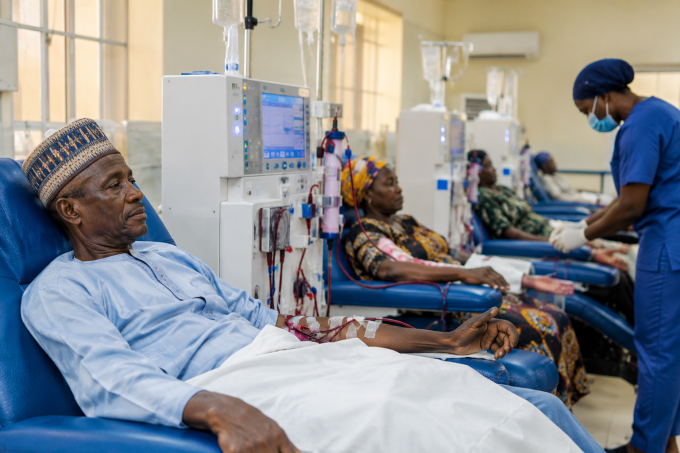
NANS identified kidney and liver complications, seizure disorders, gastrointestinal infections, foodborne diseases and suspected chemical poisoning among health problems reported in young people. However, the letter did not provide specific case data establishing that the conditions were caused by the products mentioned.
The association expressed concern over what it described as an insufficient visible response from the regulator, maintaining that limited resources should not prevent timely intervention when public health may be threatened.
Among its recommendations, NANS called for targeted campus inspections, random product testing, public safety announcements, recalls of unsafe goods and legal action against manufacturers or distributors found to be responsible for supplying substandard or falsified products.
It further proposed closer cooperation between NAFDAC, student health representatives and campus clinics to improve the reporting of suspected adverse drug reactions and foodborne illnesses.
Other recommendations included a publicly accessible register of approved products, stronger batch-verification procedures and sustained awareness campaigns to help students recognise counterfeit medicines and potentially unsafe food.
The proposed measures could strengthen consumer protection if implemented consistently, while better reporting systems could help authorities identify emerging health risks and respond more quickly.
Emphasising the need to protect students, NANS declared: “The blood of Nigerian students is not a statistic. Protect our market. Protect our food. Protect our drugs. Protect our future.”










Leave a comment