


By Benson Daniel
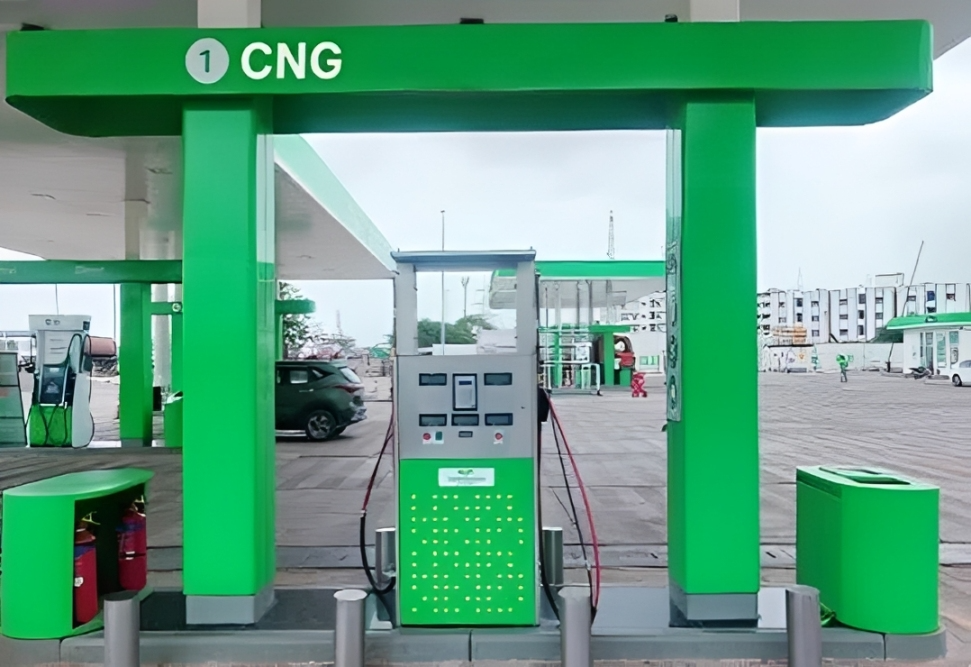
Industry stakeholders have raised concerns over emerging safety challenges associated with Nigeria’s transition to Compressed Natural Gas (CNG) powered vehicles and electric vehicles (EVs), calling for stricter regulations, improved infrastructure and enhanced public awareness to ensure a safe and sustainable shift to cleaner transportation.
The concerns were expressed during discussions on the country’s ongoing energy transition, with experts warning that the rapid adoption of alternative fuel vehicles must be supported by robust safety standards to protect motorists, technicians and the general public.
Stakeholders noted that while the Federal Government’s push for CNG and electric mobility is expected to reduce fuel costs, lower carbon emissions and diversify the nation’s transport energy sources, inadequate safety protocols could undermine public confidence in the initiative.
They identified improper conversion of petrol powered vehicles to CNG, the use of substandard components, poorly trained technicians and insufficient inspection mechanisms as major risks capable of increasing accidents and equipment failures.
Experts also highlighted concerns surrounding electric vehicles, including battery safety, charging infrastructure, emergency response preparedness and the safe disposal or recycling of used batteries, stressing that these issues require clear regulatory guidelines as EV adoption grows.
According to industry operators, investment in certified conversion centres, regular vehicle inspections and specialised training for mechanics and emergency responders will be essential to ensuring the safe deployment of CNG and electric vehicle technologies across the country.
They further urged regulatory agencies to strengthen compliance monitoring and enforce internationally accepted standards for vehicle conversions, gas cylinder installations, charging stations and maintenance procedures.
Stakeholders maintained that public education would also play a critical role in the success of the transition, encouraging motorists to patronise only accredited conversion centres and adhere to recommended maintenance schedules.
Despite the concerns, experts agreed that CNG and electric vehicles remain viable alternatives capable of reducing transportation costs, enhancing energy security and supporting Nigeria’s climate objectives when supported by appropriate safety measures.
They expressed confidence that with effective regulation, investment in infrastructure and continuous stakeholder collaboration, Nigeria can achieve a safe and successful transition to cleaner transportation while protecting lives, property and the environment.











Leave a comment