


By Benson Daniel
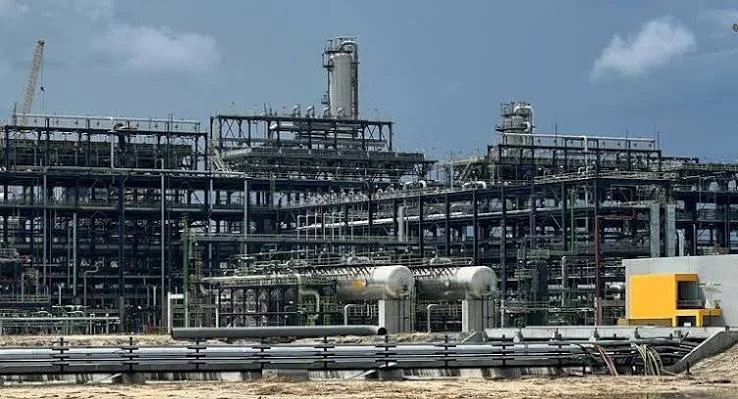
The Federal Government is considering a dollar swap arrangement that would allow proceeds from petrol supplied by the Dangote Petroleum Refinery to be exchanged through an approved financial framework, as part of efforts to strengthen foreign exchange liquidity and improve stability in Nigeria’s downstream petroleum sector.
The proposed initiative is expected to provide a structured mechanism for managing foreign exchange generated from petroleum transactions while supporting the country’s broader economic reform agenda.
Industry sources said discussions are ongoing among relevant government agencies, financial institutions and key stakeholders to determine the operational framework for the proposed swap arrangement. The initiative is aimed at improving access to foreign exchange for critical imports and enhancing efficiency in the domestic fuel supply chain.
Analysts believe the arrangement could help ease pressure on Nigeria’s foreign exchange market by creating an alternative channel for managing dollar inflows linked to refined petroleum products produced locally.
The Dangote Petroleum Refinery, regarded as Africa’s largest single train refinery, has continued to increase its refining capacity, supplying petrol and other petroleum products to the domestic market while reducing Nigeria’s dependence on imported fuel.
Economic experts said the proposed swap mechanism could improve market confidence by ensuring more efficient utilization of foreign exchange resources while supporting the country’s drive toward greater energy security and industrial development.
They also noted that a well structured framework would promote transparency in petroleum transactions, strengthen liquidity in the foreign exchange market and reduce pressure on the naira if effectively implemented.
The Federal Government has continued to introduce measures aimed at improving foreign exchange management, encouraging domestic production and reducing reliance on imports as part of ongoing efforts to stabilize the economy.
Market observers believe the outcome of the discussions will be closely watched by investors, oil marketers and financial institutions, given its potential implications for fuel pricing, foreign exchange availability and the broader Nigerian economy.
If implemented, the proposed dollar swap arrangement could become a significant component of Nigeria’s evolving energy and foreign exchange policies, supporting both domestic refining and long term economic stability.










Leave a comment