


By Benson Daniel
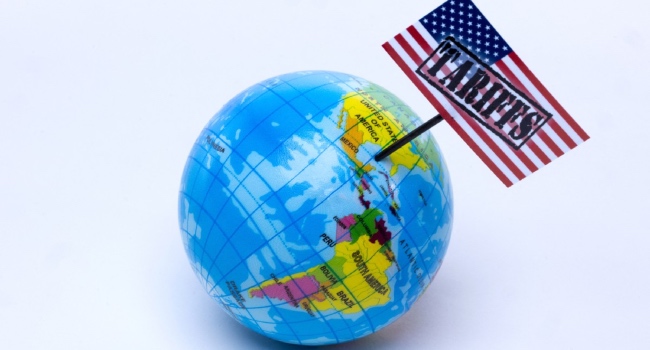
Brazil has initiated proceedings at the World Trade Organization (WTO) by seeking formal consultations with the United States over the imposition of tariffs that it believes unfairly affect Brazilian exports and undermine international trade rules.
The move marks the first stage of the WTO’s dispute settlement process, allowing both countries to engage in discussions with the aim of resolving the disagreement before it escalates into formal litigation. If the consultations fail to produce a mutually acceptable outcome, Brazil may request the establishment of a WTO dispute panel to examine the case.
Brazilian authorities argue that the US tariffs place unnecessary restrictions on trade, reduce the competitiveness of Brazilian products in the American market and conflict with obligations under global trade agreements. The government maintains that international trade should be conducted in accordance with transparent and predictable rules that ensure fair competition among trading partners.
Trade analysts say the dispute reflects growing tensions in global commerce as countries increasingly resort to tariffs and other protective measures to shield domestic industries. While such policies may benefit certain sectors in the short term, economists warn they can disrupt global supply chains, increase production costs and weaken international trade relationships.
The United States remains one of Brazil’s key trading partners, with bilateral trade spanning agricultural products, manufactured goods, energy and industrial commodities. Any prolonged trade disagreement between the two economies could have implications for exporters, investors and businesses operating across both markets.
Experts note that the WTO consultation process provides an opportunity for diplomatic engagement before more formal legal proceedings begin. In many cases, member states are able to negotiate settlements without the need for a dispute panel, helping to preserve commercial relations while addressing contested trade measures.
The development comes amid broader concerns over rising trade protectionism and shifting global economic policies. Businesses continue to monitor trade disputes closely, as changes in tariffs and market access can influence investment decisions, export performance and international supply chains.
As Brazil pursues consultations through the WTO, stakeholders will be watching for signs of progress in negotiations. A negotiated settlement could strengthen bilateral trade relations, while failure to reach an agreement may result in a prolonged legal dispute with broader implications for international commerce








Leave a comment