


Save the Children Nigeria has thrown its weight behind Kaduna State’s ambitious plan to return 100,000 out-of-school children to classrooms, expressing confidence that strong collaboration will drive the initiative’s success.
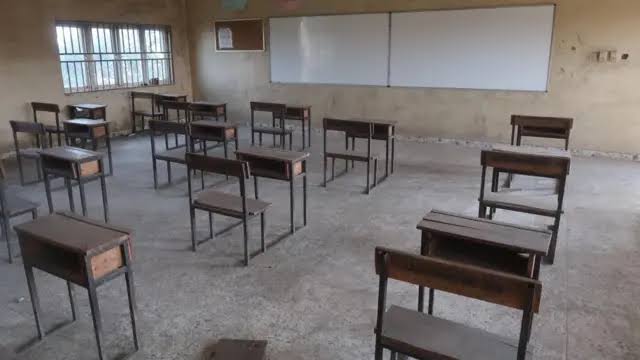
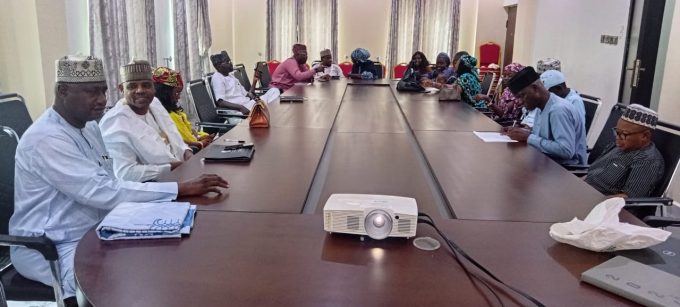
Speaking at a press conference in Kaduna, Country Director Duncan Harvey said sustained partnership between government, development agencies, and communities would be key to ensuring no child is left behind. He stressed that the organisation remains committed to inclusive, community-driven strategies that not only bring children back to school but keep them there through to completion.
Harvey noted that Save the Children is working alongside the Kaduna State Government, UNICEF, and other partners under the Reaching Out-of-School Children (ROOSC) Project, with each stakeholder handling specific responsibilities. While some partners focus on building schools and training teachers, the organisation is targeting barriers at the grassroots engaging parents and communities to tackle issues that prevent enrolment or lead to dropouts.
He emphasized that beyond infrastructure, restoring trust in the education system is critical, adding that parents must be confident that schools are safe and capable of delivering quality learning.
Project Coordinator Ezra Angai revealed that the state is ramping up infrastructure development, with 42 schools currently under construction, including 16 new ones, across nine local government areas. He added that many projects have moved beyond foundation level, with completion targeted for September.
Angai further disclosed that procurement is underway for 30 additional schools and the renovation of 60 existing ones, signaling a broader expansion of access to education. Learning centres and non-formal education institutions are also being integrated into the programme to reach more children.
Addressing concerns about teacher shortages, the Ministry of Education confirmed that a statewide needs assessment has been completed, with plans to recruit more teachers based on identified gaps. The recent extension of teachers’ retirement age from 60 to 65 years is also expected to help retain experienced educators while new hires are brought in.
Officials say the combined efforts are aimed at strengthening Kaduna’s education system, improving learning outcomes, and significantly reducing the number of out-of-school children.
Source: Channels TV











Leave a comment