



Climate change is increasingly becoming a major public health threat across Africa, with rising temperatures, floods, droughts and changing rainfall patterns exposing millions of people to worsening health risks.
According to a NAN Features report, health experts said the crisis was contributing to increased outbreaks of infectious diseases, malnutrition, respiratory illnesses, mental health challenges and the displacement of vulnerable communities across the continent.
Prof. Oluwafemi Aluko of Obafemi Awolowo University, Ile Ife, said climate change had altered the spread of diseases by expanding the habitats of mosquitoes, increasing the risk of malaria, dengue fever and other vector borne diseases.
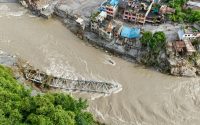
He added that flooding often contaminated water sources, leading to outbreaks of cholera, typhoid and diarrhoeal diseases, while extreme heat increased the risk of dehydration, heat stroke and cardiovascular complications.
Experts also warned that droughts and changing weather patterns were reducing agricultural production, increasing food prices and worsening malnutrition, particularly among children and vulnerable populations.
Miss Olabisi Kumuyi of Climate Beyond Borders Caravan said climate change was also affecting access to clean water and worsening air pollution, thereby increasing respiratory illnesses in many African communities.
Another participant, Miss Maryam Abdirashid, said climate related disasters were causing anxiety, depression and trauma, while floods, droughts and desertification were forcing millions of people to migrate.
She called on African governments to build climate resilient health facilities, strengthen disease surveillance and early warning systems, improve access to clean water and sanitation, and train healthcare workers to respond to climate related diseases.
Stakeholders also urged African countries to invest in renewable energy, sustainable agriculture, tree planting, improved waste management and community awareness, while calling for greater international support and climate financing.
They stressed that public health must remain at the centre of climate action, warning that stronger healthcare systems and community preparedness were essential to protect lives from the growing effects of climate change.










Leave a comment