


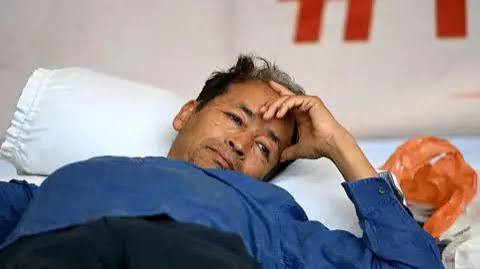
Indian education reformer and environmental activist Sonam Wangchuk has become the leading figure of a growing youth led movement demanding greater government accountability, as nationwide protests over exam paper leaks intensify pressure on Prime Minister Narendra Modi’s administration.
The 59 year old activist has attracted widespread support from Generation Z after launching a hunger strike in solidarity with student protesters calling for the resignation of Education Minister Dharmendra Pradhan. The protests were sparked by examination paper leaks that affected millions of students across India, fuelling concerns over corruption and the integrity of the country’s education system.
Wangchuk, best known for his work on education reform and environmental conservation in the Himalayan region of Ladakh, was forcibly admitted to hospital after fasting for three weeks as his health deteriorated. His removal from the protest site triggered fresh demonstrations across several Indian cities, with thousands of young people rallying behind his campaign and demanding reforms to the education sector.
The movement has expanded beyond the issue of exam leaks into a broader campaign calling for transparency, accountability and democratic reforms. Protesters have also criticised the government’s handling of youth unemployment and education, making the demonstrations one of the most significant public challenges to Modi’s government during his third term.
Wangchuk, a 2018 Ramon Magsaysay Award recipient, has long advocated for sustainable development and greater autonomy for Ladakh. He has rejected comparisons to Mahatma Gandhi, saying his goal is to encourage ordinary citizens, particularly young people, to take responsibility for strengthening India’s democracy rather than relying on individual leaders.
Indian authorities have imposed restrictions on planned demonstrations in New Delhi, citing security concerns ahead of Parliament’s monsoon session. Despite the restrictions, supporters have continued to gather in large numbers, while opposition parties and civil society groups have expressed solidarity with the movement. Government officials have yet to indicate whether they will meet the protesters’ demands, although discussions with movement representatives have reportedly begun.
Political analysts say the protests reflect growing frustration among young Indians over education, employment and governance, and could become an important test for the Modi government’s ability to respond to mounting public discontent.








Leave a comment