


When people think about Plant Science, agriculture, food production and environmental conservation are usually the first things that come to mind. However, plants contribute to something many people interact with every day: the clothes they wear.
From cotton shirts to linen trousers, plants have been important sources of textile fibers for centuries. Today, researchers and fashion manufacturers are exploring new ways to use plant materials to produce fabrics, reduce textile waste and develop more sustainable alternatives to conventional materials. This growing connection between plants and the fashion industry creates an interesting opportunity for Plant Science, particularly as the world searches for better ways to produce clothing without placing unnecessary pressure on natural resources.
From Plants to Fabric: Where Does Clothing Begin?
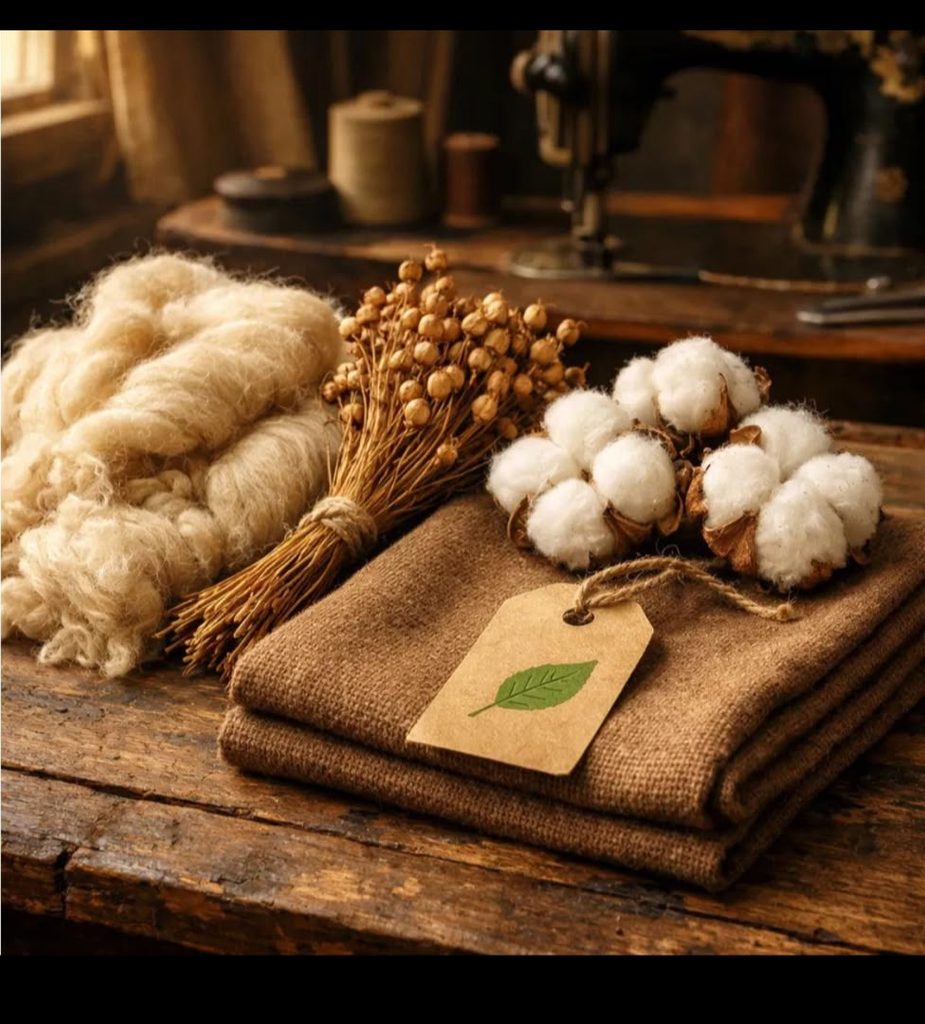
One of the most familiar examples of plant-based textile production is cotton. Cotton fibers grow around the seeds of the cotton plant (Gossypium species). After harvesting, the fibers are separated from the seeds, cleaned, spun into yarn and woven or knitted into fabric. Cotton remains one of the world’s most widely used natural textile fibers because it is soft, breathable and suitable for different types of clothing.
Another important plant is flax (Linum usitatissimum), which provides fibres used to make linen. Unlike cotton, flax fibres are obtained from the stems of the plant. The fibres are extracted through a process called retting, which helps separate them from the surrounding plant tissues.
Hemp (Cannabis sativa) is another source of textile fibre. Its strong stem fibres can be processed into fabrics used for clothing, bags and other products.
These examples demonstrate that textile production does not begin only in factories. It can begin in the field, where plants are cultivated and developed for their useful fibres.
Turning Agricultural Waste into Fashion Materials.
One of the most interesting developments in sustainable fashion is the use of agricultural waste to produce textile materials.
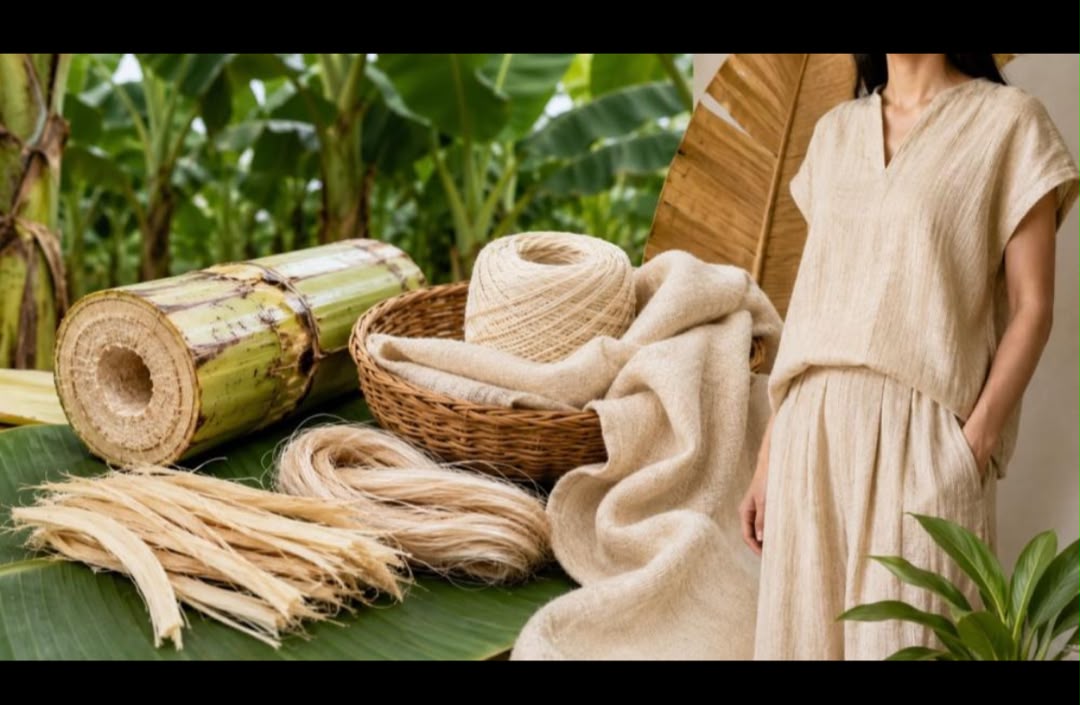
Every year, large quantities of plant materials are left behind after harvesting crops. Some of these materials, including banana stems and pineapple leaves, contain fibers that can be extracted and processed for different purposes.
Banana plants, for example, produce large leaves and stems after harvesting their fruits. The fibers from their pseudostems, which are the structures commonly mistaken for trunks, can be extracted and used in textile applications.
Pineapple leaves also contain strong natural fibres. These fibres can be processed into materials used in textile and leather-like products. One commercial example is Piñatex, a material developed using fibres from pineapple leaves. This approach creates another use for agricultural materials that might otherwise be discarded. It also presents opportunities for farmers and businesses to earn additional income from crop residues.
For countries such as Nigeria, where agriculture produces large quantities of plant materials, exploring these possibilities could create new connections between farming, manufacturing and the fashion industry.
Can Plant-Based Dyes Change the Fashion Industry?
The connection between plants and fashion goes beyond fabric production. Plants have also been used for centuries to produce natural dyes.
Turmeric, for instance, contains curcumin, a yellow pigment that can be used to colour materials. Indigo plants contain compounds that produce the familiar blue dye associated with traditional indigo textiles. Other plants, including hibiscus and certain tree barks, contain pigments that can produce different shades.
Natural dyes are attracting renewed interest as manufacturers explore alternatives to some synthetic dyes. However, they are not automatically environmentally harmless. Their sustainability depends on factors such as how the plants are cultivated, the amount of water used, the extraction process and the chemicals used to make colours last.
Plant Scientists can contribute by identifying plants with useful colouring compounds, studying their pigments and developing methods to improve colour extraction and stability.
Where Do Plant Scientists Come In?
Plant Scientists have an important role to play in developing the plant materials used by the textile industry. Their work can involve identifying plants with suitable fiber characteristics, improving crop varieties, studying fiber strength and investigating how growing conditions affect fiber quality.
For example, research into cotton varieties can help identify plants that produce fibres with desirable qualities for textile manufacturing. Similarly, studying banana and pineapple fibres can help researchers understand how to improve their extraction, processing and potential applications.
Plant Scientists can also collaborate with textile engineers, chemists, agricultural researchers and fashion manufacturers to develop new materials from plant resources.
This means that opportunities for Plant Science graduates are not limited to farms, botanical gardens or traditional agricultural research. The textile industry, natural dye production, fibre processing and sustainable material development are also areas where their knowledge can be useful.
Opportunities for Nigeria:
Nigeria has several agricultural resources that could support the development of plant-based textile materials. Cotton production already has a place in the country’s agricultural history, while crops such as banana and pineapple offer possibilities for exploring alternative fiber sources. With appropriate research, investment and processing facilities, agricultural residues could become valuable raw materials for textile production.
This could create opportunities for farmers, small-scale manufacturers, textile businesses and entrepreneurs interested in producing locally sourced materials. There is also potential for Nigerian businesses to develop products for wider markets, including sustainable fabrics, natural dyes, handmade textiles and other plant-based materials.
However, turning these possibilities into successful industries would require more than simply having the plants available. Fibre quality, processing technology, production costs, market demand and environmental impact would all need to be considered.
The Future of Fashion May Begin with Plants;
The fashion industry is increasingly exploring materials that can reduce waste and make better use of natural resources. Plants offer several possibilities, from familiar fibres such as cotton and flax to newer applications involving banana stems and pineapple leaves.
For Plant Scientists, this represents an opportunity to contribute to an industry that many people would not immediately associate with their field. The next generation of Plant Scientists can participate in research that connects agriculture with textile production, material innovation and entrepreneurship.
Perhaps the next major development in sustainable fashion will not come from an entirely new synthetic material, but from discovering better ways to use the plants and agricultural resources already around us.










Leave a comment