



The Federal Government is strengthening primary healthcare delivery in more than 700 communities across Nigeria through the National Health Fellows Programme, which equips young Nigerians to address local health challenges and improve access to essential medical services.
Launched in 2025, the 12-month programme combines training, mentorship and fieldwork to enable participants to develop practical solutions tailored to the needs of their communities.
In a statement on Thursday, Dr Ashiru Abubakar, Technical Assistant to the Coordinating Minister of Health and Social Welfare on Sector-wide Approach, said the fellows were already making measurable contributions to community healthcare.
He disclosed that the programme had received more than 400,000 applications across two cohorts, with interventions spanning over 700 communities.
According to Abubakar, the projects include initiatives to improve primary healthcare facilities, strengthen disease prevention and promote public health awareness.
Related News
*FG Approves N32.8bn for States to Strengthen Primary Healthcare https://vistaonenews.com/2026/06/29/fg-approves-n32-8bn-for-states-to-strengthen-primary-healthcare/
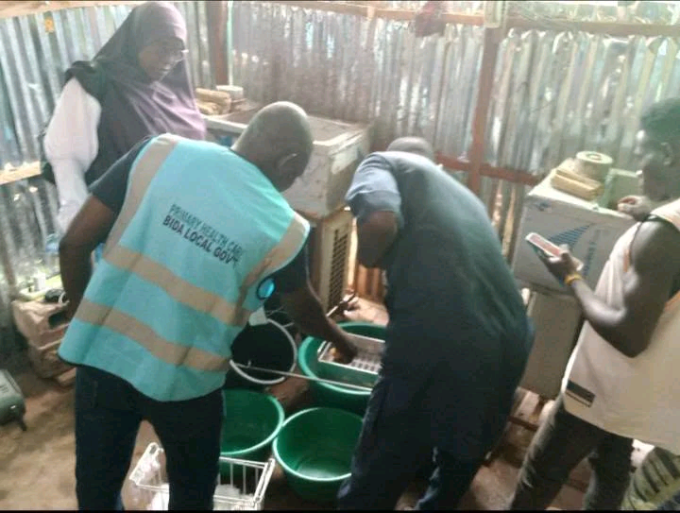
Among the interventions is a solar-powered vaccine storage project in Gboko, Borno State, designed to address electricity challenges that could affect vaccine preservation.
In Idumuje-Unor, Delta State, another fellow is supporting the installation of solar power at a primary healthcare facility. Meanwhile, a fellow at Iyame Primary Health Centre in Ondo State is working to revitalise the facility through community advocacy and support for essential medical equipment.
Abubakar said the initiatives demonstrate how young Nigerians are applying their knowledge and skills to address public health challenges at the grassroots level.
One participant, Abubakar Hamza, said the programme strengthened his leadership, teamwork, community mobilisation, stakeholder engagement and data management skills.
He added that the experience equipped him with practical problem-solving abilities to support improvements in healthcare delivery.
The programme reflects the government’s efforts to strengthen community-level healthcare through youth participation and locally driven interventions. Sustaining its impact will depend on continued investment, effective coordination and the long-term maintenance of facilities and equipment.








Leave a comment