


By Benson Daniel
Residents of Kyiv are facing growing shortages of food and rising prices after repeated Russian attacks damaged warehouses and logistics facilities responsible for supplying supermarkets across the Ukrainian capital.
Several supermarkets have reported increasingly empty shelves, with some basic food items becoming harder to find as businesses struggle to move supplies through distribution networks damaged by airstrikes.
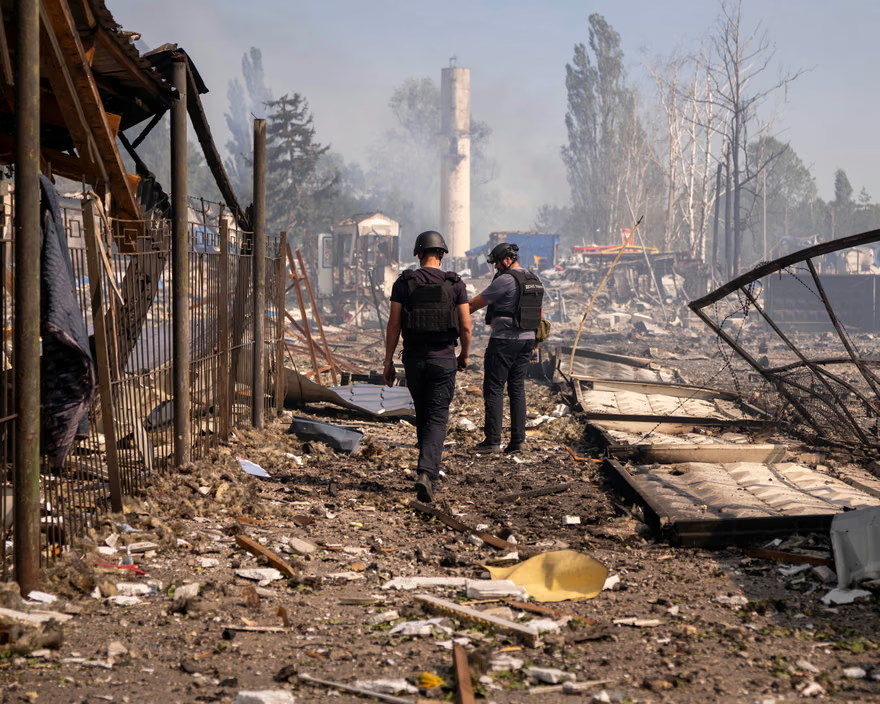
The latest disruption comes after a series of Russian missile and drone attacks targeting infrastructure around Kyiv and other parts of Ukraine. Food warehouses, distribution centres and other facilities supporting civilian supply chains have been hit, making it more difficult and expensive for retailers to replenish their stocks.

For many residents, the impact is becoming increasingly visible in everyday shopping. Some supermarket shelves that were normally well stocked are now carrying fewer products, while prices for certain goods have already begun to rise.
Ukrainian officials have warned that the attacks could push food prices higher as companies are forced to find alternative storage facilities and delivery routes.
Businesses are also facing significant losses. Some warehouses containing millions of euros worth of food and other consumer products have been destroyed or severely damaged, forcing companies to reconsider how and where they store their supplies.
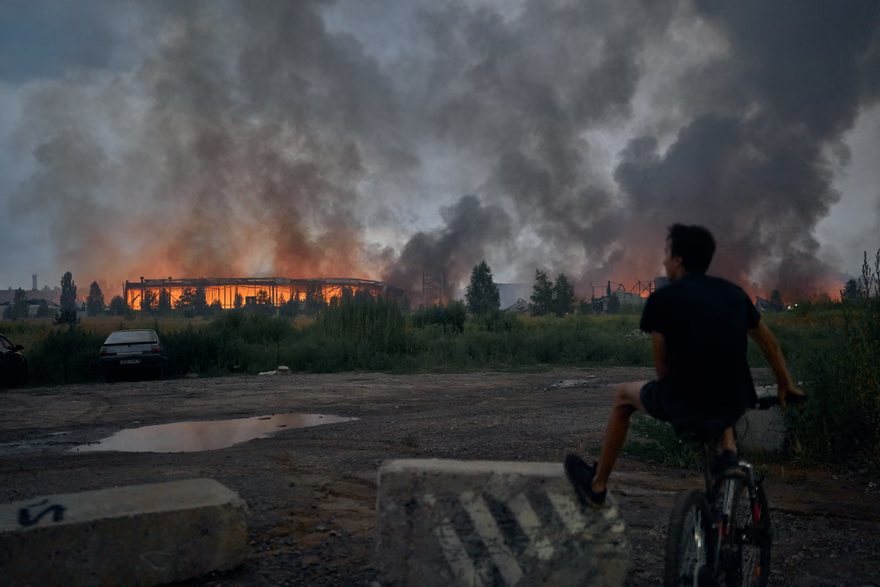
The problem is not necessarily that Ukraine has run out of food. Rather, the attacks are disrupting the infrastructure needed to move food efficiently from producers and importers to shops and consumers.
Retailers are therefore being forced to spread supplies across smaller storage locations, move some operations away from areas vulnerable to attack and consider using facilities outside the country.
The situation has added another layer of pressure for a population that has already endured years of war, repeated power disruptions and constant security threats.
Kyiv residents have largely avoided panic buying, with many continuing to purchase only what they need despite concerns about further disruption. But for pensioners and households with limited incomes, even moderate increases in the cost of everyday necessities could become difficult to absorb.

The renewed attacks have also raised concerns about the coming winter, when demand for food, energy and other essential supplies is expected to increase.
Despite the shortages, authorities and businesses are working to maintain supplies by reorganising distribution networks and finding alternative routes into the capital.
The resilience of Kyiv’s food system is now being tested as the war increasingly affects not only military and energy infrastructure but also the warehouses, transport networks and commercial facilities that support everyday civilian life.











Leave a comment