


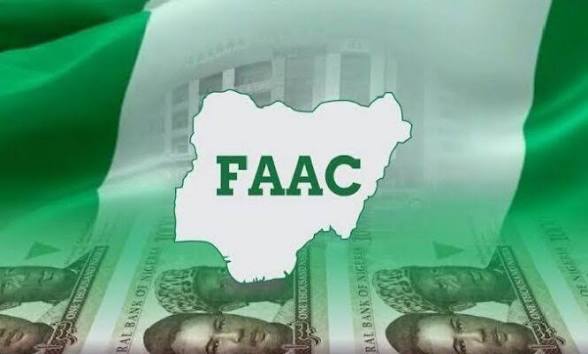
Nigeria’s gross revenue shared through the Federation Account Allocation Committee (FAAC) reached ₦31.46 trillion in the first nine months of 2026, exceeding the full-year collections recorded in each of the four preceding years, according to a report by Agora Policy.
The report, titled Ten Insights from FAAC Disbursements for January–September 2026, showed that revenue increased by 12.6 per cent from ₦27.95 trillion recorded during the corresponding period of 2025.
The nine-month figure surpassed the ₦9.23 trillion recorded in 2021, ₦12.34 trillion in 2022, ₦16.28 trillion in 2023 and ₦28.74 trillion in 2024. It also represented approximately 88 per cent of the ₦35.81 trillion generated in the whole of 2025.
Statutory revenue contributed ₦24.25 trillion, representing 77.1 per cent of gross receipts, while Value Added Tax accounted for ₦7.21 trillion, or 22.9 per cent.
However, the report noted that ₦11.10 trillion, representing about 35 per cent of gross revenue, was deducted for savings, interventions, refunds, transfers and collection costs. Approximately ₦20.36 trillion remained available for distribution before an additional ₦450 billion augmentation brought total distributions to ₦20.81 trillion.
Related News
*FAAC Allocations Hit ₦47tn as States Face Growing Pressure to Account for Funds https://vistaonenews.com/2026/08/24/faac-allocations-hit-%e2%82%a647tn-as-states-face-growing-pressure-to-account-for-funds/
The Federal Government received ₦7.35 trillion, state governments ₦7.01 trillion and local governments ₦4.92 trillion. Oil-producing states also received ₦1.53 trillion under the 13 per cent derivation arrangement, reported separately.
Despite the increase, Agora Policy warned that revenue growth was slowing and mineral revenue remained substantially below budget expectations. It also stressed that the figures were nominal and did not account for inflation or changes in the purchasing power of the naira.
The findings highlight the importance of transparent management of public revenue and prudent fiscal planning. Increased allocations will need to translate into measurable improvements in infrastructure, healthcare, education and other public services to deliver lasting benefits to Nigerians.







Leave a comment