


By Benson Daniel
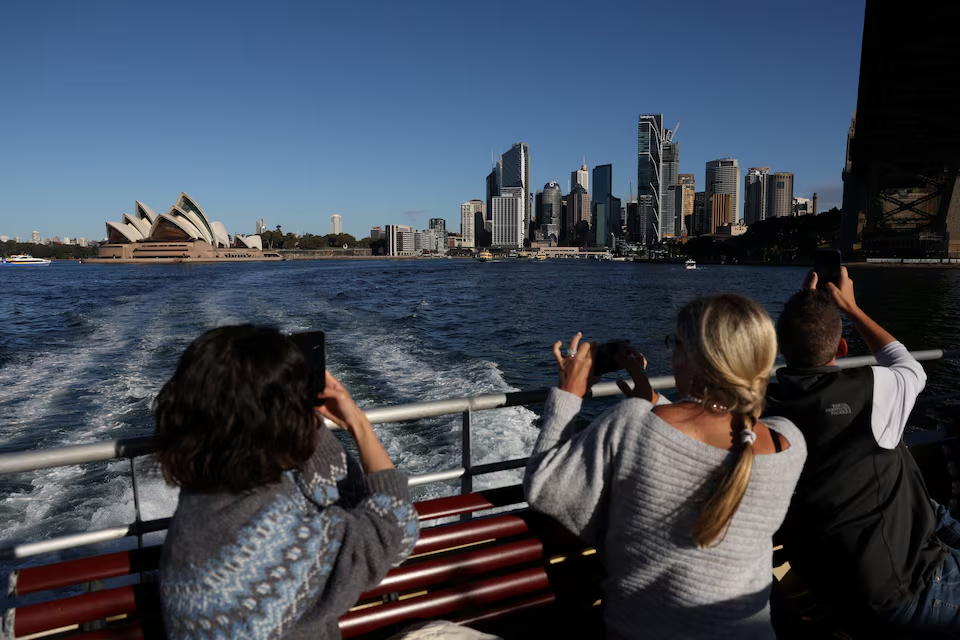
Australia is tightening its temporary migration rules, targeting international students, backpackers and visa overstayers as the government seeks to bring net overseas migration down to pre-pandemic levels.
Home Affairs Minister Tony Burke announced the measures on Thursday, including restrictions on international students bringing family members to Australia while they study. Exceptions will apply to some students from Pacific and Southeast Asian countries and to certain programmes, including PhD studies.
The government will also introduce a ballot system for backpackers seeking second- and third-year working holiday visas. The number eligible for a second year will be reduced to 45,000, from about 57,000 who qualified this year, while third-year places will be limited to 5,000 through a ballot, compared with about 31,000 previously.
Officials say the changes are intended to give the government greater control over migration levels while addressing pressures linked to housing and population growth. Australia is targeting annual net migration of about 225,000 by 2028, down from around 300,000 currently.
The reforms will also tighten controls on people who remain in Australia after their visas expire. The government plans to employ an additional 100 compliance officers and strengthen measures to encourage visa overstayers to leave the country.
International students will face another restriction under the new system. Those seeking to renew student visas will generally have to progress to a higher qualification rather than repeatedly moving between courses at the same or a lower level. The government says the measure is aimed at limiting the use of successive courses as a pathway to extend temporary stays.
The changes could have consequences for Australia’s education and hospitality industries, which depend significantly on international students and temporary workers. International education contributed about A$53.6 billion to Australia’s economy in the year to June 2025, making it one of the country’s major export industries.
Migration has already fallen from its post-pandemic peak. Net overseas migration reached about 518,000 in 2023 but declined to around 306,000 in the year to June 2025, with international students accounting for more than half of the recent inflow.
The government maintains that the latest measures are part of a broader effort to manage Australia’s migration system rather than a response to political pressure. The reforms nevertheless come amid intense domestic debate over immigration, housing costs and population growth.









Leave a comment