


By Benson Daniel
Iran has warned the United States that any further attack on its interests or security will trigger a stronger military response, as tensions between the two countries escalate following a fresh exchange of attacks in and around the Strait of Hormuz.
Iranian Parliament Speaker Mohammad Bagher Qalibaf issued the warning on Sunday, saying Tehran would no longer limit its response to what it considers proportionate retaliation.
Qalibaf said Iran would respond to any further aggression with a “faster, heavier and more painful” reaction, signalling a potentially more dangerous phase in the confrontation between Tehran and Washington.
He also claimed that recent Iranian military operations against American targets were only the beginning and said the rules governing the conflict had changed.
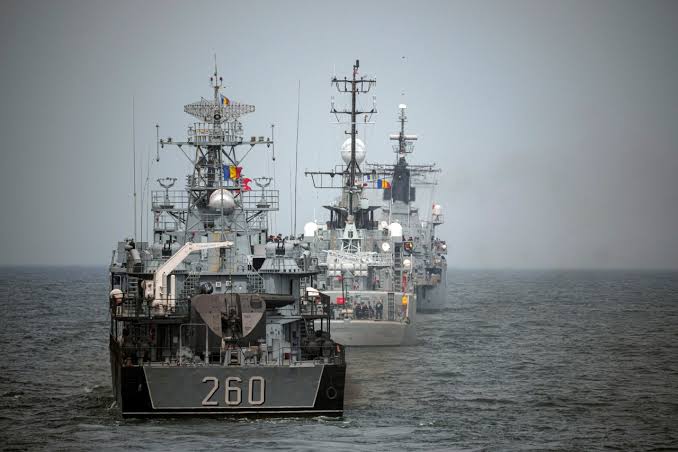
The warning came after the United States struck three Iranian oil tankers following ballistic missile attacks launched by Iran’s Islamic Revolutionary Guard Corps towards two US Navy vessels.
The US military said the American ships were targeted but avoided the incoming missiles and suffered no casualties. Washington subsequently attacked the Iranian tankers, describing the action as a response to what it called unprovoked attacks on its warships.
Iran has strongly condemned the US strikes, while its military has threatened further action against American forces and vessels operating in the region.
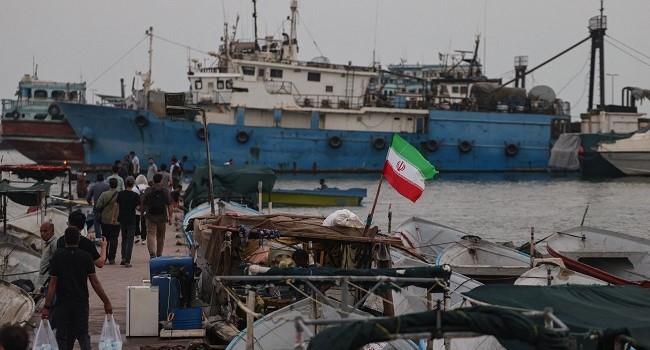
The latest confrontation has centred increasingly on the Strait of Hormuz, one of the world’s most important energy routes. The waterway carries a significant share of global oil and gas shipments, making any prolonged disruption a major concern for international energy markets.
Iran’s ability to threaten shipping through the strait has become a key element of its strategy as it faces mounting economic pressure from US sanctions and restrictions on its oil exports.
The United States, meanwhile, has continued to apply military and economic pressure on Tehran, seeking to restrict Iran’s ability to finance its military operations and regional activities.
The renewed hostilities have also raised concerns about the possibility of a wider regional conflict. Any sustained attacks on commercial shipping could affect oil supplies, insurance costs and freight rates, with consequences extending well beyond the Middle East.
The latest escalation follows months of conflict between the two countries and comes despite a ceasefire reached in June that had temporarily reduced the intensity of the fighting.
That pause has now effectively broken down, with both sides carrying out retaliatory operations and issuing increasingly severe threats.
Iranian officials have repeatedly warned that American forces and regional facilities supporting US military operations could become targets if attacks against Iran continue.
Washington has responded by warning Tehran that further attacks on US forces or commercial shipping will carry significant consequences.
The exchange has left diplomatic efforts facing another major setback. While intermediaries have continued to explore possible avenues for negotiations, the growing military confrontation has made a return to sustained dialogue increasingly difficult.
For global markets, the immediate concern is the security of the Strait of Hormuz and the potential effect of further military action on crude oil supplies.
With both Washington and Tehran signalling that they are prepared to intensify their responses, fears are growing that another round of attacks could quickly expand beyond the current targets and deepen instability across the region








Leave a comment