


By Benson Daniel
The Federal Government has secured more than $2 billion in private sector investment for the development of Compressed Natural Gas infrastructure and the wider CNG value chain as Nigeria intensifies efforts to reduce transportation costs and expand the use of alternative fuels.
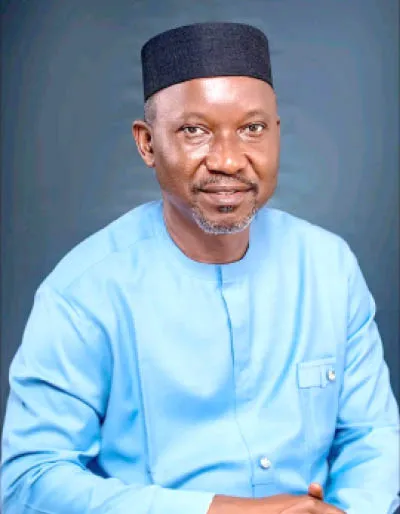
Minister of State for Petroleum Resources (Gas), Ekperikpe Ekpo, said the investment had supported the rapid expansion of refuelling infrastructure, vehicle conversion centres, technical capacity and other facilities required to increase CNG adoption across the country.
The Presidential Initiative on Compressed Natural Gas, launched in 2023, has become a major part of the government’s response to the increase in transportation costs following the removal of petrol subsidy.
Ekpo said more than 120,000 vehicles had so far been converted to CNG through more than 400 certified conversion centres, while over 90 refuelling stations are now operating across the country.
The minister also disclosed that the programme had trained more than 7,700 automotive technicians and created over 10,000 direct and indirect jobs.
The government has also procured and deployed 655 CNG buses and 5,123 CNG tricycles, adding to thousands of privately converted vehicles now operating within public and commercial transport networks.
According to the minister, the growing adoption of CNG is already producing savings for commercial transport operators, private vehicle owners and fleet managers, while commuters using CNG powered buses are also benefiting from lower fares.
He said the objective of the programme goes beyond increasing the number of vehicles running on gas, stressing that the larger goal is to translate lower fuel costs into cheaper transportation and logistics, reduced pressure on households and improved economic productivity.
The expansion of CNG infrastructure could also open new opportunities for businesses involved in vehicle conversion, equipment supply, maintenance, logistics and technical services.
For small businesses that depend heavily on transportation, lower fuel costs could improve profit margins and make the movement of goods and services more affordable.
The government is working with the Presidential Initiative on CNG, the Midstream and Downstream Gas Infrastructure Fund, state governments, transport unions, operators and private investors to expand conversion and refuelling infrastructure.
Part of the strategy involves developing dedicated CNG corridors and extending access to communities that currently have limited refuelling options.
The minister also welcomed the President’s directive for an additional 500 CNG refuelling stations, which would increase the planned national network to 1,000 stations.
A larger network of refuelling points is expected to address one of the major challenges facing CNG adoption: accessibility. With more stations available, vehicle owners and commercial operators may find it easier to switch from petrol and diesel without concerns about running out of fuel far from a refuelling point.
The government is also encouraging state governments to participate more actively in the programme through investments and partnerships that can accelerate the deployment of CNG facilities within their respective areas.
Nigeria’s CNG expansion comes as businesses and households continue to contend with high energy and transportation costs. The government is betting that increased domestic gas utilisation can provide a cheaper fuel option while creating new investment and employment opportunities.
The success of the programme will ultimately depend on the pace of infrastructure deployment, reliable gas supply, safety standards and the ability of operators to maintain competitive CNG prices.
With billions of dollars already committed to the sector, the government is now under pressure to ensure that investment translates into a wider network, greater vehicle conversion and tangible savings for Nigerians.










Leave a comment