


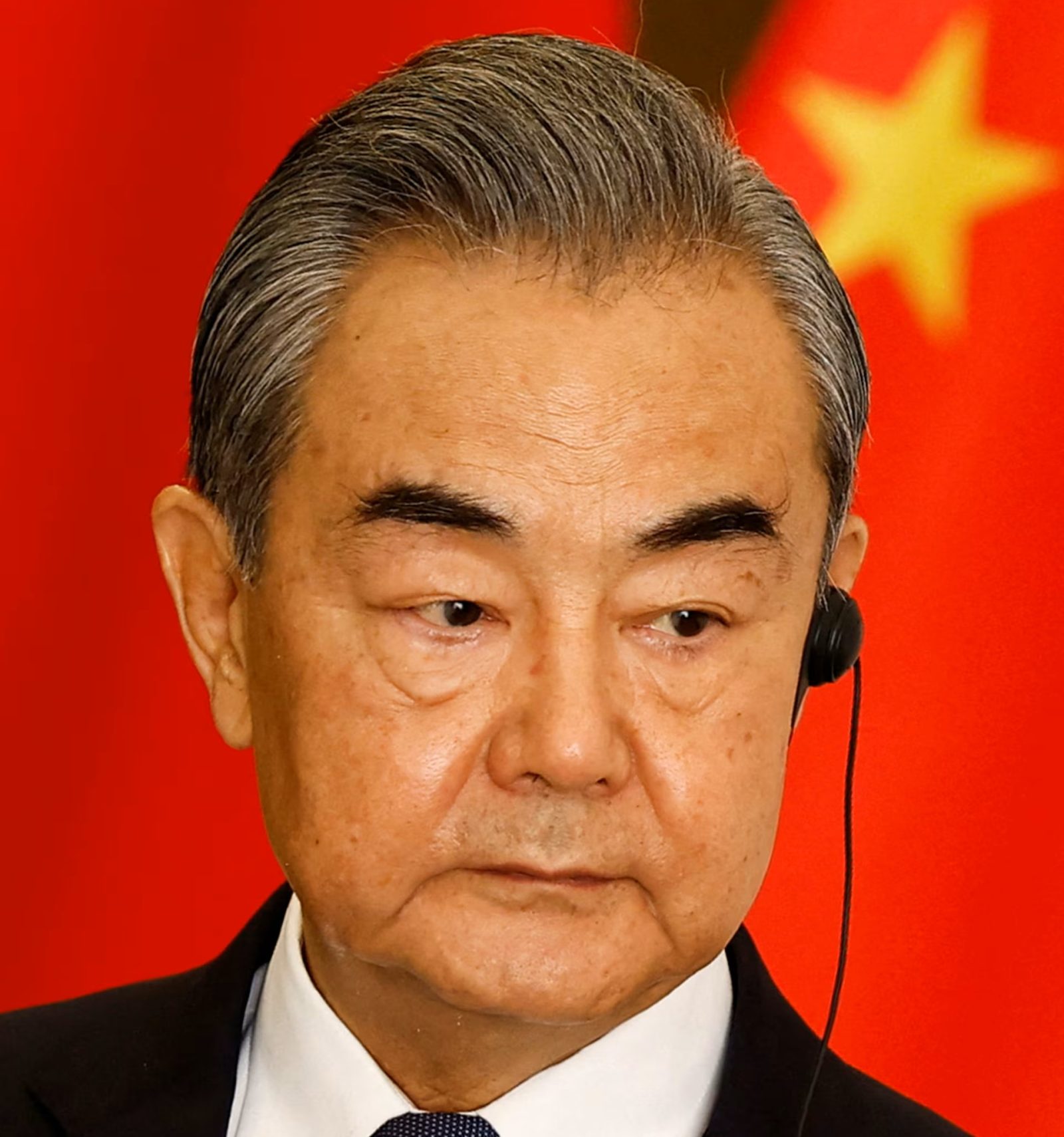
China’s Foreign Minister Wang Yi said on Monday that tensions in the Middle East and Gulf region had reached another critical juncture, urging all parties to return to dialogue and negotiations to prevent further escalation.
Wang made the remarks during a meeting in Beijing with Kuwait’s Foreign Minister Sheikh Jarrah Jaber Al Ahmad Al Sabah, according to a statement from China’s Foreign Ministry.
Wang said the “old script of recurring conflict” should not be repeated and that the immediate priority should be to de-escalate tensions. He added that China was prepared to strengthen coordination with Kuwait and continue supporting efforts to restore peace and stability in the region.
The comments came as tensions between the United States and Iran intensified. Washington is preparing new economic measures targeting countries and companies that maintain trade ties with Tehran, while Iran has threatened to halt oil exports from the Gulf if what it calls an economic war continues.
Iran has also issued a new warning to shipping companies, saying vessels should not pass through the Strait of Hormuz without its permission. The strategic waterway normally carries roughly one-fifth of global oil supplies, making any disruption a major risk to international energy markets.
The United States has described its planned measures as potentially the “greatest financial offensive ever” against Iran and has called on trading partners, particularly China, to cooperate with efforts to isolate Tehran economically.
Iran has rejected the U.S. pressure and warned that continued economic measures could lead to a wider disruption of Gulf oil exports.
China, which maintains important economic and diplomatic ties with both Iran and Gulf states, has repeatedly called for negotiations rather than military escalation. Beijing’s latest appeal reflects growing concern that prolonged tensions could threaten regional stability, global energy supplies and international trade.






Leave a comment