


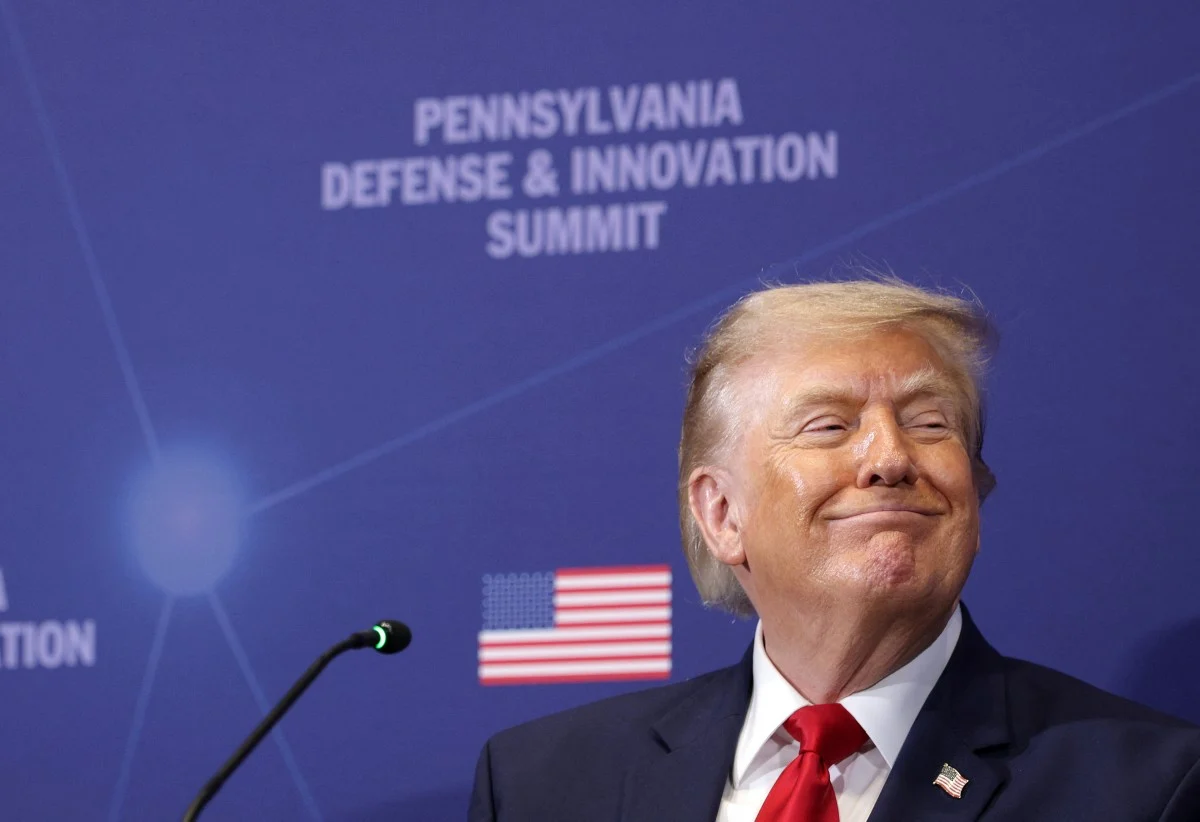
U.S. President Donald Trump’s frustration over what he believes may be contributing to rising autism diagnoses helped drive a recent executive order aimed at reducing the number of routine childhood vaccinations, according to five current and former administration officials cited by Reuters.
The order, however, is not expected to substantially change U.S. vaccine policy on its own. Officials said it is unlikely to satisfy Trump or the political base supporting Health Secretary Robert F. Kennedy Jr., who has pushed for broader changes to the country’s vaccination policy and research into vaccine safety.
The executive order calls for reducing the federal childhood vaccination schedule from 17 immunizations to 11 and seeks to separate the measles, mumps and rubella (MMR) vaccine into three individual shots. Pharmaceutical companies have warned that developing separate MMR vaccines could take years.
The order also directs the Justice Department to challenge some state vaccination requirements for children attending school.
Kennedy introduced a similar reduced vaccination schedule in January, but a federal judge blocked the changes in March, ruling that health regulators had acted unlawfully. The administration is appealing that decision and remains bound by the ruling.
Trump’s push comes amid his administration’s broader focus on autism research. Kennedy, who has promoted vaccine-safety concerns for decades, pledged after taking office to investigate the causes of rising autism diagnoses and examine the safety of childhood vaccines.
Kennedy’s deadlines for producing new findings on autism passed without major revelations. Trump subsequently increased pressure on the health secretary during meetings and telephone calls, with officials saying the president repeatedly demanded progress.
The tension became more visible during a July 31 cabinet meeting at Camp David, when Trump publicly asked Kennedy about the progress of autism research. Kennedy responded that the department would provide an answer.
Administration officials said the exchange signalled that Trump wanted immediate action, contributing to the rapid development of the vaccine executive order.
Kennedy is overseeing studies examining possible links between vaccines and autism, autoimmune diseases and changes to the immune system. The research also includes investigations into thimerosal, a preservative removed from childhood vaccines in the United States more than two decades ago.
However, medical experts and scientists say extensive research involving millions of children has found no credible evidence that childhood vaccines cause autism. They have also warned that further research must be conducted using sound scientific methods rather than being directed toward a predetermined conclusion.
Leading medical organisations have expressed concern that the administration’s changes could increase confusion among parents, encourage vaccine hesitancy and leave more children vulnerable to preventable diseases.







Leave a comment