


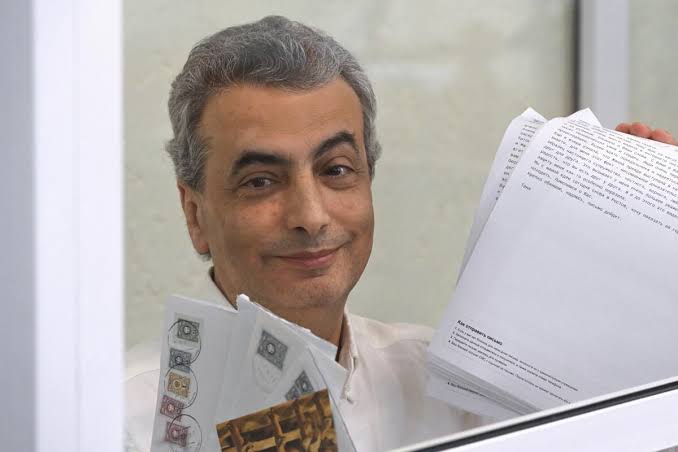
A senior member of Russia’s liberal Yabloko party, Lev Shlosberg, has been sentenced to 11 years and one month in a penal colony after being convicted of criticising Russia’s war in Ukraine.
Shlosberg, the party’s deputy chairman, was found guilty of discrediting Russia’s armed forces and spreading what authorities described as false information about the military.
During his closing statement at a court in the western city of Pskov last week, Shlosberg rejected the accusations and described the proceedings as politically motivated. He called for an immediate ceasefire and described the war as a catastrophe for Russia.
The verdict comes days after Russia’s Supreme Court barred Yabloko from participating in next month’s parliamentary election. The court rejected the party’s appeal against the ban on Monday.
Yabloko is the only registered Russian political party to openly call for an end to the war in Ukraine. The party has faced increasing pressure from Russian authorities as the country prepares for the election.
Shlosberg used his final statement to criticise the human cost of the war, warning that the full number of Russian military deaths would eventually become known.
Russia introduced laws carrying lengthy prison sentences for people convicted of discrediting the armed forces or spreading what authorities consider false information about the war shortly after launching its full scale invasion of Ukraine in February 2022.
The legislation has sharply restricted public criticism of the war inside Russia, with opposition politicians and activists facing prosecution for statements challenging the government’s narrative.
Shlosberg was initially detained in June 2025 after describing the war as a game of “bloody chess” during an online debate. Prosecutors later added an accusation involving a Telegram post that they said contained false information about the conflict.
His conviction follows the sentencing of another Yabloko deputy leader, Maxim Kruglov, who was jailed for seven years in June after being convicted of spreading false information about the Russian military.
The cases highlight the continuing pressure on Russia’s remaining anti war political opposition and the increasingly severe penalties imposed on those who publicly challenge the Kremlin’s position on the conflict.







Leave a comment