


By Benson Daniel
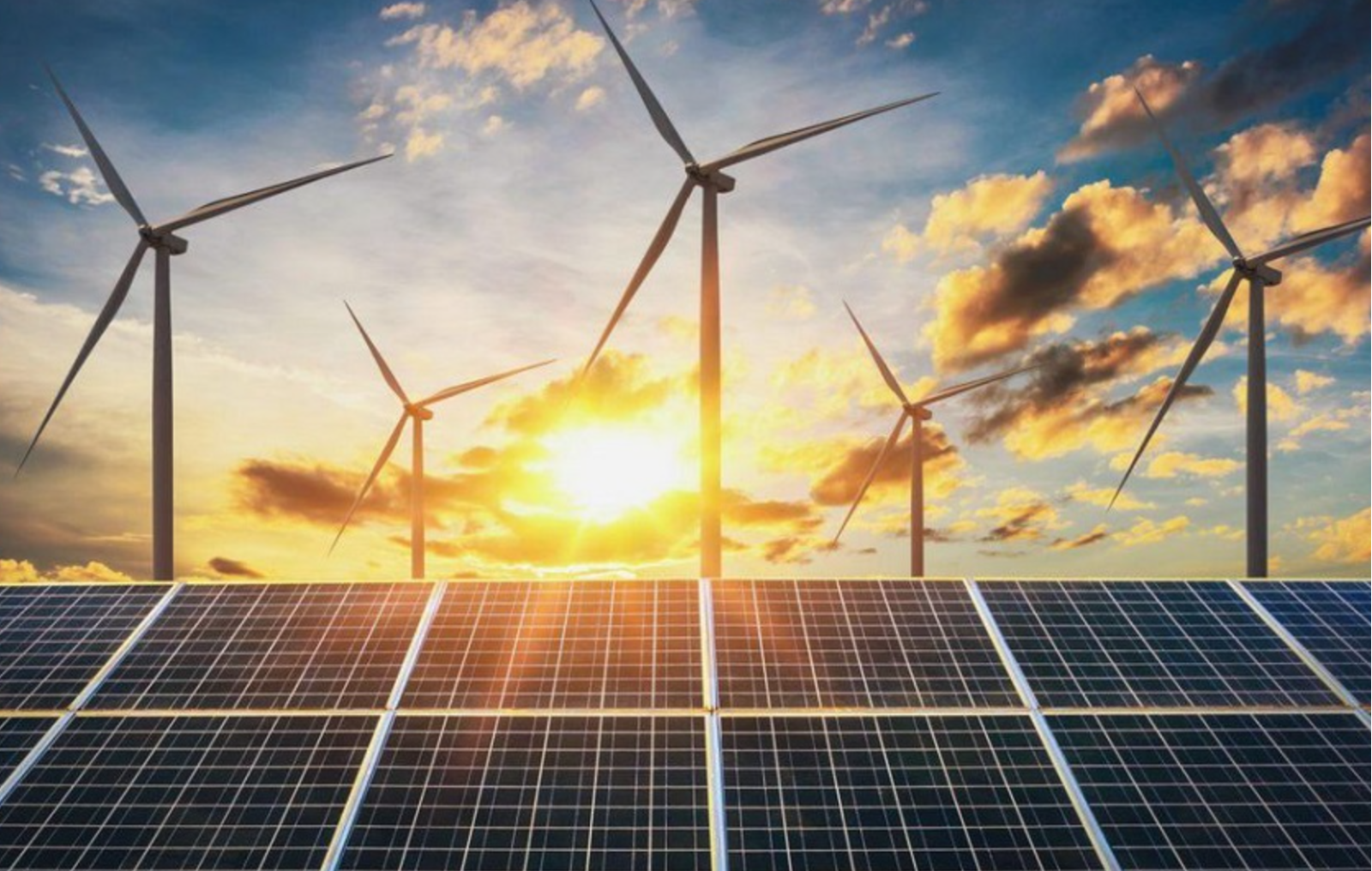
Nigeria’s push to expand renewable energy is delivering important benefits to communities but is also creating new social and environmental challenges, according to a recent study on the country’s energy transition.
The research, published in the Cambridge Prisms: Energy Transitions, found that renewable energy projects have improved access to electricity in some communities, enhanced education and livelihood opportunities, and contributed to better health and environmental conditions. However, the study also identified significant harms, including displacement, land use conflicts, electronic waste, cultural disruption and gender related vulnerabilities.
The researchers examined Nigeria’s renewable energy transition through the concept of energy justice, assessing how the benefits and costs of the shift towards cleaner energy are distributed among different groups.
According to the study, Nigeria continues to face severe energy poverty, with more than 40 per cent of the population lacking reliable electricity despite the country’s substantial renewable energy potential. This makes the expansion of renewable energy important not only for reducing emissions but also for improving access to electricity and supporting economic development.
The researchers, however, found that communities do not always participate meaningfully in decisions concerning renewable energy projects. In some cases, community engagement occurs after major decisions have already been made, limiting the ability of affected residents to influence project design, location and implementation.
Land acquisition was identified as another major concern. Renewable energy installations can require significant amounts of land, potentially creating conflicts with farming activities and traditional land use where adequate consultation and compensation are lacking.
The study also highlighted the uneven distribution of benefits. While some communities gain access to electricity, employment and new economic opportunities, vulnerable households may bear a disproportionate share of the costs through loss of land, disruption of livelihoods or environmental impacts.
Electronic waste is another emerging concern as the deployment of solar panels, batteries and other renewable energy equipment expands. Without effective systems for recycling, collection and disposal, discarded equipment could create new environmental and health risks.
The researchers also identified cultural disruption and gender based vulnerabilities as areas requiring greater attention. They argued that energy policies need to recognise the different ways renewable energy projects affect women, rural residents and other marginalised groups.
The findings suggest that having energy justice principles in government policies is not enough if those principles are not properly implemented. The researchers found weaknesses in participation, benefit sharing, recognition of vulnerable groups and mechanisms for compensation or restoring livelihoods after communities experience harm.
The study therefore calls for stronger governance frameworks that give affected communities a meaningful role in renewable energy planning and decision making.
It also highlights the need for transparent compensation arrangements, stronger environmental safeguards and mechanisms that ensure communities receive lasting benefits from projects located on or near their land.
For Nigeria, the findings come as the country seeks to expand renewable energy as part of efforts to address electricity shortages, reduce dependence on fossil fuels and attract investment into cleaner technologies.
The researchers stressed that the energy transition should not simply replace one source of energy with another while reproducing existing inequalities. Instead, they argued that renewable energy development should be designed around fairness, accountability and inclusion.
The challenge for policymakers will therefore be to expand clean energy access while ensuring that the communities expected to host or benefit from renewable energy infrastructure are not left with disproportionate social, economic or environmental costs.
A transition that combines wider electricity access with meaningful community participation, fair compensation and stronger environmental protection could help Nigeria achieve both its energy and development objectives without creating new forms of injustice.










Leave a comment