


By Benson Daniel
Ghana’s annual inflation rate declined to 4.6 per cent in July 2026 from 5.3 per cent in June, renewing the country’s disinflation trend after a temporary increase in the previous month.
The latest figure represents a 0.7 percentage point decline and marks the first monthly slowdown in headline inflation since March. The development signals renewed easing in price pressures across the Ghanaian economy and could provide some relief to households and businesses facing elevated living costs.
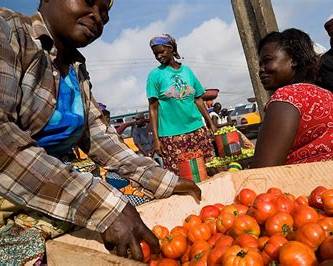
The moderation was supported partly by developments in food prices, which have remained a major component of household expenditure and an important driver of inflationary pressures in Ghana. The easing in food prices is expected to reduce some of the pressure on household budgets, particularly for lower income families that allocate a significant share of their earnings to basic necessities.

The July decline follows a sharp increase in inflation recorded in June, when the rate rose to 5.3 per cent from 3.7 per cent in May. The June increase was largely associated with pressures in non food categories, including transport, rent and other services.
The latest figures therefore represent a reversal of the June trend and suggest that some of the pressures that pushed inflation higher have begun to moderate.
The decline also keeps Ghana’s inflation rate well below the levels recorded in the country during the previous year, reflecting the broader improvement in price stability. The sustained moderation in inflation has been supported by improvements in macroeconomic conditions and easing price pressures across several categories.
For consumers, however, the decline in the inflation rate does not necessarily mean that the prices of goods and services have returned to previous levels. Rather, it means prices are increasing at a slower rate than before. Households may therefore continue to feel the impact of high food, transport, housing and other living costs despite the lower inflation figure.
The food sector remains particularly important because changes in the prices of staples and other essential products can quickly affect household spending patterns. Any further moderation in food prices could provide additional support for consumers and help strengthen confidence in the broader economic recovery.
For businesses, lower inflation could also improve planning and reduce uncertainty around operating costs. Companies may find it easier to make investment and pricing decisions when the pace of increase in input and consumer prices becomes more predictable.
The moderation in inflation is also relevant to monetary policy. Continued improvement in price stability could give Ghanaian policymakers greater room to focus on supporting economic activity while maintaining efforts to keep inflation within an acceptable range.
However, economic analysts and policymakers are likely to continue monitoring food prices, exchange rate movements, transport costs and other domestic pressures that could influence the direction of inflation in the coming months.
The July figures provide fresh evidence that Ghana’s disinflation process remains intact despite the temporary setback recorded in June. Sustaining the improvement will depend on continued stability in food markets, exchange rates and other major components of consumer prices.
With inflation now at 4.6 per cent, attention will turn to whether the decline can be sustained in the months ahead and whether easing price pressures will translate into a meaningful improvement in household purchasing power and overall economic confidence.











Leave a comment