


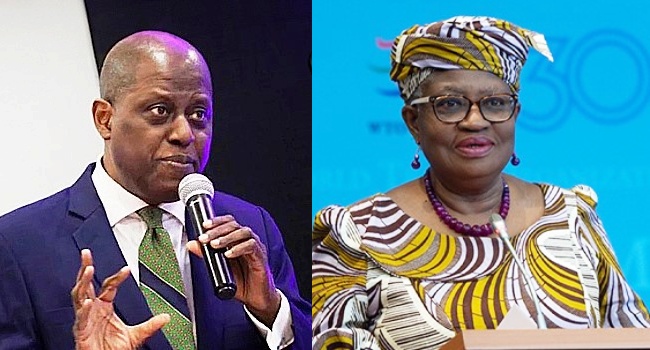
By Benson Daniel
Top policymakers, finance ministers, central bank governors, development partners, and economic experts from across Africa have gathered in Abuja to deliberate on strategies for navigating growing global economic uncertainty and strengthening the continent’s economic resilience.
The high level meeting comes at a time when African economies are grappling with the combined effects of slowing global growth, geopolitical tensions, persistent inflation, rising debt burdens, climate related challenges, and disruptions to international trade. Participants are expected to examine practical solutions that will enable African nations to sustain economic growth while protecting vulnerable populations.
Discussions are focusing on measures to enhance macroeconomic stability, promote regional trade, strengthen fiscal management, and accelerate investments in infrastructure, energy, agriculture, and digital transformation. Delegates are also exploring ways to mobilize domestic resources and attract private sector investment to reduce dependence on external financing.
Speaking at the gathering, policymakers stressed the importance of closer regional cooperation in responding to global economic shocks. They noted that Africa’s expanding population, abundant natural resources, and the implementation of the African Continental Free Trade Area offer significant opportunities for long-term economic transformation if supported by sound policies.
Experts attending the forum emphasized the need for governments to implement structural reforms that improve the business environment, strengthen financial institutions, and encourage innovation. They argued that resilient economies require diversified sources of revenue, efficient public spending, and policies that support entrepreneurship and industrial development.
The meeting is also expected to address issues surrounding food security, energy access, climate financing, and debt sustainability, with participants calling for stronger collaboration between African governments, multilateral institutions, and development partners to unlock sustainable economic growth.
Analysts believe the Abuja conference provides an important platform for African leaders to develop coordinated responses to global economic headwinds while advancing policies that promote inclusive growth, job creation, and greater economic integration across the continent.
The outcomes of the meeting are expected to shape future policy directions and reinforce Africa’s collective efforts to build more resilient economies capable of withstanding external shocks and delivering sustainable development.











Leave a comment