


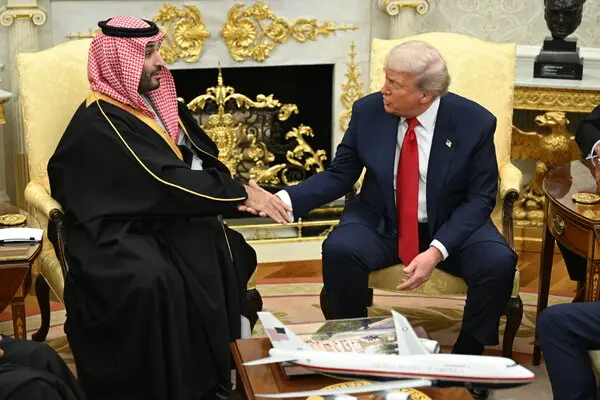
A proposed civilian nuclear agreement between the United States and Saudi Arabia has intensified concerns among security experts that the deal could accelerate nuclear competition in the Middle East and encourage other countries to pursue similar capabilities.
The agreement is expected to pave the way for expanded U.S. cooperation with Saudi Arabia on civilian nuclear technology as part of broader strategic ties between the two countries. While Washington maintains that the programme is intended solely for peaceful purposes, analysts warn it could alter the region’s strategic balance.
The proposed deal has attracted international attention because it could allow Saudi Arabia to develop aspects of its domestic nuclear fuel cycle. Critics argue that such capabilities, even under civilian oversight, could eventually be adapted for military purposes if regional security conditions deteriorate.
The development comes amid growing geopolitical uncertainty, with several countries in Europe, Asia and the Middle East reassessing their long term security strategies in response to regional conflicts, rising military tensions and concerns about the future of U.S. security commitments. Experts say some governments are increasingly seeking advanced military or nuclear capabilities as a hedge against potential threats.
Supporters of the agreement argue that close U.S. oversight and compliance with international safeguards under the International Atomic Energy Agency (IAEA) would help ensure the programme remains peaceful while strengthening energy security and reducing dependence on fossil fuels.
Non proliferation advocates, however, caution that the deal could encourage other regional powers to demand similar arrangements, potentially weakening global efforts to prevent the spread of sensitive nuclear technologies. They have called for strict safeguards and transparency before any agreement is finalised.
The U.S. administration has not announced a final timetable for implementing the agreement, and any deal is expected to face scrutiny from lawmakers and international partners concerned about its long term security implications.











Leave a comment