


By Benson Daniel
A young Kenyan engineer is advocating for the integration of robotics into classrooms across Africa, arguing that early exposure to technology will equip students with the skills needed to thrive in an increasingly digital and innovation-driven world.
The engineer believes robotics should become a core component of modern education rather than an extracurricular activity, saying practical learning through technology can help students develop critical thinking, creativity, problem-solving and teamwork from an early age.
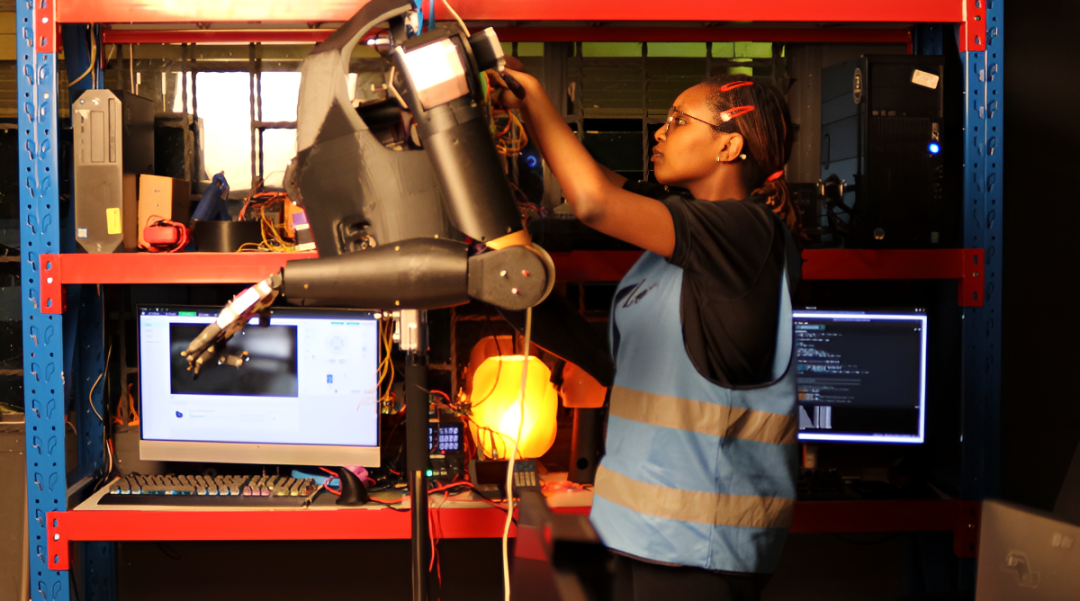
Through school outreach programmes and hands-on training sessions, the innovator has introduced students to robotics, coding and artificial intelligence, enabling them to design, build and programme simple machines capable of performing everyday tasks. The initiative has attracted growing interest from schools seeking to strengthen science, technology, engineering and mathematics (STEM) education.
According to the engineer, access to robotics education can help bridge the technological divide by exposing learners to emerging technologies that are increasingly shaping industries around the world. He noted that many African students possess the talent and curiosity to excel in technology but often lack the resources and opportunities to develop their potential.
Education experts have welcomed the initiative, describing practical technology education as essential for preparing young people for future careers in engineering, software development, automation, manufacturing and other high-demand sectors. They argue that introducing robotics into classrooms can inspire innovation while helping students gain confidence in tackling real-world challenges.
Stakeholders also called on governments, private organisations and development partners to invest more in digital infrastructure, teacher training and modern learning facilities to expand access to robotics education, particularly in underserved communities.
The initiative has already inspired many students to participate in robotics competitions and technology exhibitions, with some developing innovative solutions to address challenges in agriculture, healthcare, environmental protection and education.
As Africa continues its digital transformation, the engineer believes empowering young people with practical technological skills will be crucial to building a new generation of innovators capable of driving economic growth and solving local challenges through home-grown solutions. He maintains that placing robots in classrooms today is an investment in the continent’s future workforce and technological competitiveness.











Leave a comment